Key Takeaways
- Prioritize secured credit cards and credit-builder loans to establish positive payment history.
- Maintain very low credit utilization to show responsible credit management.
- Consistently make all payments on time, as this is the most critical factor for credit recovery.
- Regularly monitor your credit reports to ensure accurate reporting of your bankruptcy discharge and new accounts.
- Consider authorized user tradelines for an initial boost in credit visibility, but always pair them with your own durable credit-building accounts.
- Approach rebuilding patiently; it's a marathon, not a sprint, focusing on sustainable financial health.
First Accounts After Discharge
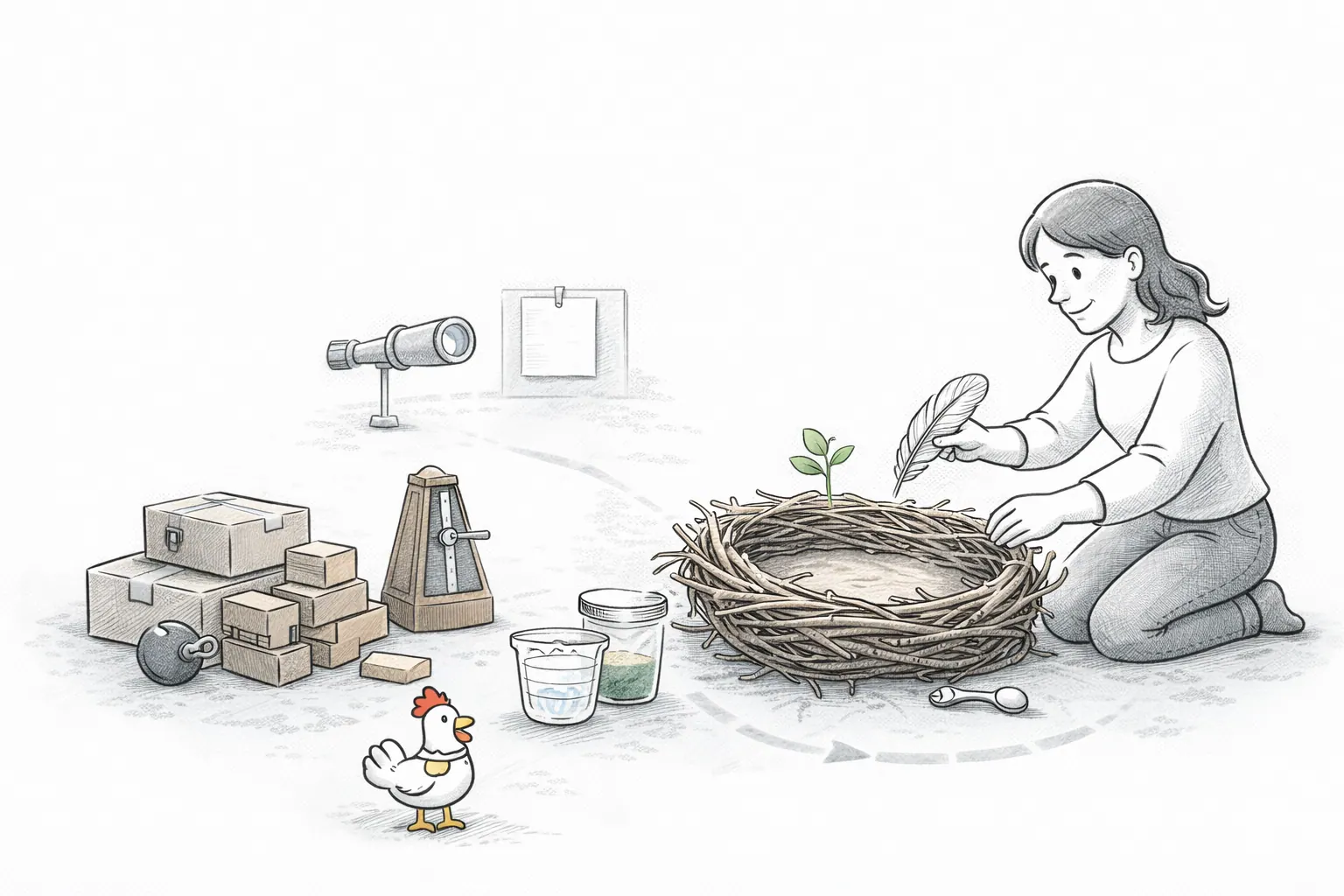
After bankruptcy, traditional unsecured credit is likely out of reach. This is where secured financial products shine, offering a safe, low-risk way to re-enter the credit landscape. Think of them as your first sturdy branches. You'll need to demonstrate consistent, positive behavior, and these accounts are designed to give you that chance.
Secured Credit Cards: These are often the first stop for many rebuilders. Unlike a regular credit card, a secured card requires a cash deposit, which typically becomes your credit limit. For example, if you deposit $300, your credit limit is $300. This deposit acts as collateral, minimizing risk for the issuer and making it easier for them to approve you. The key is to use it like a regular credit card, making small purchases you can pay off in full every month. This demonstrates responsible usage without risking your own funds beyond the initial deposit. Over time, consistent on-time payments and low utilization can lead to the issuer returning your deposit and upgrading you to an unsecured card.
Credit-Builder Loans: These are another powerful tool, almost like a savings account that builds credit. With a credit-builder loan, the money you borrow isn't given to you upfront. Instead, it's held in a locked savings account or CD by the lender while you make monthly payments. Once the loan is fully paid, you receive the money. This structure guarantees the lender gets paid and ensures you build a positive payment history. It's a fantastic way to both save money and rebuild your credit simultaneously.
On-Time Payments: The Golden Rule: No matter what type of account you open, your payment history is the single most influential factor in your credit score. After bankruptcy, every single on-time payment is a powerful statement to lenders that you are reliable and have learned from past challenges. Setting up automatic payments is highly recommended to ensure you never miss a due date. This diligent habit will be the cornerstone of your entire rebuilding effort, slowly but surely replacing the negative marks with a robust record of fiscal responsibility.
Open one secured revolving account and automate on-time payments
Add one low-risk installment builder when affordable
Maintain clean history for 6-12 months before expanding
Strategic Credit Management
Once you have a few foundational accounts, the next step is to manage them strategically to maximize their positive impact on your credit score. This involves carefully considering your credit utilization and the overall health of your credit profile.
Monitoring Your Progress
As you embark on this rebuilding journey, regularly checking your credit reports is paramount. It's your personal financial GPS, showing you where you are and confirming your efforts are being accurately recorded.
Your 3 Free Credit Reports: You are entitled to one free credit report from each of the three major bureaus (Equifax, Experian, TransUnion) every 12 months. After bankruptcy, it’s even more critical to pull these reports to ensure that your bankruptcy has been correctly discharged and that old debts are no longer being reported as active or delinquent. Any errors could hinder your progress and should be disputed immediately.
Monthly Report Audit
Understanding Your Score: Your credit score is a dynamic snapshot of your credit health, based on the information in your credit reports. While the bankruptcy will suppress your score for a significant period, consistent positive actions will gradually improve it. Don't obsess over daily fluctuations, but understand that steady adherence to the strategies above will lead to an upward trend. Focus on the underlying habits that drive the score rather than the number itself.
Setting Realistic Expectations
Real-World Scenarios
Consider these two paths:
Stabilization
Open core account(s), set autopay, and remove avoidable spending volatility.
Pattern building
Stack clean payment cycles, keep utilization low, and avoid unnecessary applications.
Depth building
Add account depth carefully and maintain strict reporting hygiene.
Strength phase
Use maturity and consistency to qualify for better credit terms.
Riley's Steady Ascent: Riley, a Rebuilder Riley persona, faced a Chapter 7 bankruptcy after a business venture failed. Starting with a credit score in the low 500s, Riley felt overwhelmed. Her strategy began with a $500 secured credit card, which she used for groceries and paid off in full every two weeks. Six months later, she secured a $1,000 credit-builder loan through a local credit union, establishing a savings habit while making monthly payments. She also diligently checked her credit reports quarterly, catching and disputing one small lingering error from an old account. After 18 months, her score had climbed over 650, allowing her to qualify for a lower-interest car loan and eventually an unsecured credit card. Her consistent, disciplined payments formed the bedrock of her recovery.
Recovery Focus by Phase
| Phase | Primary objective |
|---|---|
| Early | No missed payments and clean baseline reporting |
| Mid | Utilization discipline and account stability |
| Later | Selective growth and lower-cost credit access |
Nico's Timely Boost: Nico, a Newcomer Nico persona, had a Chapter 13 bankruptcy discharged two years ago and needed to get approved for an apartment. His thin file post-bankruptcy made landlords hesitant. He decided to get a secured credit card but also asked his aunt, who had excellent credit, to add him as an authorized user to one of her oldest, rarely used credit cards. This immediate, positive tradeline gave his file a visible boost, helping him qualify for the apartment he needed while his own secured card started building his individual payment history. He knew the AU tradeline was a temporary boost, but it served as a crucial bridge while his own credit habits took root.
These scenarios underscore the power of combining foundational accounts with meticulous financial habits and strategic tools like AU tradelines when appropriate.
Are your last six months fully on-time with controlled utilization?
Next Steps
Ready to start building a more robust financial future? Here's how you can take action:
90-Day Credit Rebuild Checklist
- Start with Secured Products: Look into secured credit cards and credit-builder loans as your primary tools for re-establishing positive payment history.
- Prioritize On-Time Payments: Set up reminders or automatic payments for every bill, every time. This is non-negotiable.
- Keep Utilization Low: Aim to use less than 10-30% of your available credit and pay balances in full whenever possible.
- Monitor Your Reports: Access Your 3 Free Credit Reports regularly to check for accuracy and track your progress.
- Explore Options: If appropriate for your situation, consider how authorized user tradelines might offer an initial gateway for credit visibility, always coupled with your own durable credit-building efforts.
Remember, the early path to credit visibility is often an authorized user tradeline, but durable strength always comes from consistently managing your own accounts and building positive habits. We're here to help you navigate this journey with transparency and support.
Frequently Asked Questions
1. How soon can I start rebuilding after bankruptcy?
- You can begin the rebuilding process almost immediately after your bankruptcy is officially discharged by the court. While the bankruptcy itself will remain on your credit report for up to 10 years, its negative impact begins to fade as soon as you start adding new positive data. The key is to start small by prioritizing low-risk products, such as a secured credit card or a credit-builder loan, and practicing strict payment discipline. Do not wait for the bankruptcy to fall off your report to start taking action; time and consistent positive behavior are your best tools for recovery.
2. Are secured cards enough by themselves?
- While secured credit cards are an excellent and foundational starting point, they are rarely enough on their own to achieve a robust, top-tier credit score. To demonstrate well-rounded creditworthiness, lenders prefer to see a balanced mix of credit types over time. This means eventually incorporating installment loans (like a car loan or a credit-builder loan) alongside your revolving credit (secured or unsecured cards). Broader, durable strength comes from a demonstrated history of responsibly managing multiple, diverse accounts over an extended period.
3. Do AU tradelines guarantee approval?
- No, authorized user (AU) tradelines do not guarantee approval. While being added to a trusted friend or family member's established, low-balance account can provide a temporary boost to your credit visibility and score, lender treatment of AU data varies significantly. Some modern underwriting models intentionally discount AU accounts to prioritize your primary history. An AU tradeline should act as a bridge or a supplement, but it is never a substitute for the hard work of building and maintaining your own primary account history.
4. How often should I check reports after bankruptcy?
- During the critical early phase of your credit rebuild, monthly rotating checks are highly recommended. You can pull your free reports from Equifax, Experian, and TransUnion (one from a different bureau each month) to monitor your progress. It's vital to ensure that your discharged debts show a zero balance and are explicitly marked "included in bankruptcy." Regular monitoring helps you catch and dispute any lingering errors or inaccurate collections quickly, before they can further stall your momentum.
Secured Cards
Deposit acts as limit
Builder Loans
Save while you build
AU Tradelines
Boost from a trusted account
5. Is this a quick process?
- No, there are no legal shortcuts or instant fixes. Rebuilding your credit is a gradual, compounding process that takes significant time and patience. While you may see initial score improvements within the first 6 to 12 months as new on-time payments are recorded, achieving a truly strong, resilient credit profile usually requires a few years of unwavering consistency. Falling for "quick-fix" credit repair scams that promise overnight results will often cost you money and leave your situation worse off.
6. Will my bankruptcy be removed proactively if I dispute it?
- No. Legitimate bankruptcies cannot be legally or proactively removed before their federal reporting limit expires, which is typically 7 years for Chapter 13 and 10 years for Chapter 7. While you should absolutely dispute any inaccurate information, such as discharged accounts still reporting as active debt, disputing the accurate public record of the bankruptcy itself is not a valid or successful strategy. Legitimate credit repair focuses on accuracy, not the erasure of truthful history.
7. What happens if I miss a payment during my rebuild?
- Missing a payment acts as a profound setback during your recovery. In the aftermath of a bankruptcy, lenders scrutinize your new behavior closely for signs of recurring financial stress. A missed or late payment creates a fresh, heavy negative mark on a profile that is already highly sensitive, effectively pausing or even reversing months of progress. Your primary directive during the rebuild phase is absolute payment perfection. Set up automatic minimum payments and calendar reminders to protect your payment history at all costs.
8. Can I buy a house after bankruptcy?
- Yes, you absolutely can buy a house after bankruptcy, but it requires patience. You typically need to clear a mandatory seasoning period before qualifying for a mortgage. For an FHA loan, this is often two years after a Chapter 7 discharge, and for conventional loans, it can be up to four years or more. Crucially, during this waiting period, you must actively demonstrate fully re-established credit, a steady income, and zero new late payments. Bankruptcy does not end your homeownership dreams; it just shifts the timeline.
Disclosure
Some lenders and credit scoring models may filter out, discount, or weigh authorized user tradelines differently in their underwriting decisions. Results vary based on lender policies, the specific scoring model used, and your unique credit profile. An AU tradeline does not guarantee loan approval or any specific credit score outcome.
Closing Perspective
Rebuilding your financial nest after the storm of bankruptcy takes courage and determination. It’s a process of laying new twigs, one careful payment at a time, until you’ve woven a foundation strong enough to withstand future winds. With patience, discipline, and the right tools, you can not only rebuild but create a credit profile that is more resilient and secure than ever before. You’ve weathered the storm. Now it’s time to build a thriving future.