Key Takeaways
- Credit mix is roughly 10% of your FICO score and reflects whether you manage more than one kind of credit.
- Lenders read a blend of revolving and installment credit as evidence you can handle different repayment structures.
- A thin or single-type file gives scoring models less to work with, which can leave the mix factor underused.
- You diversify the right way by adding accounts you genuinely need over time, never by opening junk accounts.
- Credit mix is a supporting factor, so it never outweighs payment history or how much you owe.
The Importance of a Diverse Credit Nest
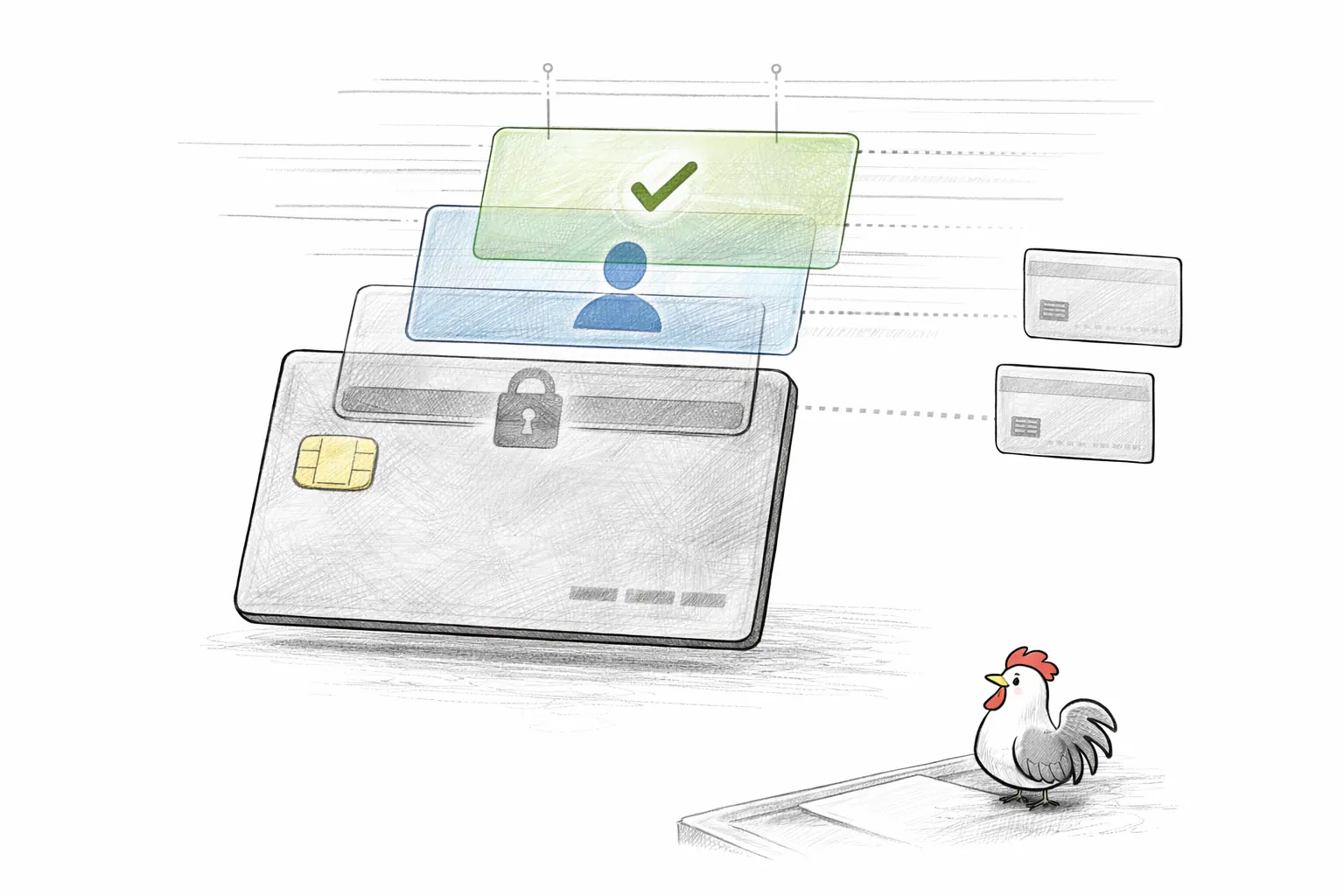
Imagine you're a meticulous bird, tirelessly weaving your nest. You wouldn't build it solely from the softest down, nor would you use only the stiffest, most unyielding twigs. A truly resilient nest, one that can withstand any storm and safely house new beginnings, is built with a mix of materials, some flexible, some rigid, all working together to create a secure structure. Your credit profile is much the same. A robust financial nest is not just about having credit; it is about demonstrating your ability to manage different kinds of credit responsibly. This is where the concept of a credit mix comes into play, a powerful yet often misunderstood factor in your overall credit score.
What Exactly Is a Credit Mix?
The point of this guide is the scoring angle: it is not how many accounts you have, but whether your file shows experience with both repayment structures. A model that sees only one family has less to read about how you behave when the rules of repayment change.
"You need to carry a balance and pay interest to have a healthy credit mix."
You only need the accounts open and in good standing; you do not need to carry debt or pay interest.
Why?
Paying interest does nothing for your score. For credit cards, paying in full every month is best. For loans, on-time payments are what count, not how much interest you pay.
Why Lenders Like to See a Mix
Think of your credit score as a lender's confidence meter. A lender deciding whether to extend new credit wants evidence that you behave well under more than one set of repayment rules. That is the real reason credit mix earns a slice of the score:
- It demonstrates versatility. Managing a credit card asks for different habits than a fixed-payment loan. A card means balancing spending against a limit and keeping utilization in check; an installment loan means committing to the same payment month after month. A file that shows both tells the model you have handled each.
- It adds resilience. A profile built on a single family of credit gives the model fewer angles to read. If you hold only cards and one gets maxed out, your utilization can spike with little else to balance it. A mix means one rough patch on one account type does not define your whole picture.
- It speaks to many lenders. A mortgage underwriter wants proof you can carry a long-term fixed payment, while a card issuer cares about how you manage revolving balances. A varied file reads well across a wider range of products.
- It is a defined slice of the formula. Scoring models reserve a portion of your score for credit mix, typically around 10% of your FICO score. It is a supporting factor, not a headline one, so the goal is to fill that slice naturally rather than chase it.
How a Thin or Single-Type File Looks
Neither situation is a problem to panic over, and neither blocks you from a strong score on its own. They simply mean the credit mix slice is not yet working in your favor. The fix is not to rush out and collect accounts; it is to add the kind of credit you would genuinely use anyway, and let the variety build over time.
Month 1: The Foundation
Open a Secured Credit Card to establish your first revolving account.
Month 6: The Diversifier
Add a Credit-Builder Loan to introduce installment credit to your mix.
Month 12: Optimization
Maintain low utilization and consistent on-time payments across both accounts.
Month 18+: Maturity
Graduate to an unsecured card as your score grows from your diverse history.
Diversify Without Opening Junk Accounts
Responsible diversification looks boring on purpose: add a second account family only when it serves a real goal, such as a credit-builder loan to save while you establish installment history, or an auto loan when you actually need a car. You never need a balance, a finance-company loan with steep fees, or a store card you will never use. The mix slice fills itself as your genuine financial life grows.
Real-Life Nests: Scenarios of Credit Mix in Action
Let's peek into a few nests to see how credit mix plays out for different individuals:
Real-Life Credit Mix Journeys
Nico, the Newcomer
A recent college grad with only a student loan (installment) looking to rent an apartment. Opened a Secured Credit Card and added a Credit-Builder Loan.
Riley, the Rebuilder
Someone recovering from late payments with only one credit card. Added a Credit-Builder Loan to diversify mix and focused on 100% on-time payments.
Lena, the Planner
A long-term responsible borrower with only revolving accounts active. Opened a small Credit-Builder Loan to "refresh" mix before a mortgage.
A Slow and Steady Way to Diversify
There is no magic number or perfect ratio for credit mix. The goal is simply a blend of accounts you manage well. For most people, 1-2 credit cards alongside 1-2 installment loans is plenty, and that mix tends to assemble itself naturally over a few years. Here is the order that keeps the side effects small:
- Start with a foundation. If your file is thin, begin with a Secured Credit Card to establish revolving credit. An authorized user tradeline can add early visibility, but durable strength comes from your own accounts.
- Add installment credit when ready. Once a card is running smoothly, a credit-builder loan introduces a fixed-payment account with little downside.
- Prioritize on-time payments. No matter the mix, a single late payment does more damage than any amount of variety can offset. Consistency comes first.
- Keep utilization low. On your cards, aim to stay under 30% of your limit, ideally under 10% The 30% Rule.
- Give it time. Each new account first lowers your average age of accounts, so space additions out and let the file age. A mix earned slowly is worth far more than one chased in a hurry.
The mindset shift is from "having credit" to managing a small set of financial tools you actually use.
- Start with a secured card for revolving foundational credit
- Add a credit-builder loan to diversify with installment credit
- Prioritize 100% on-time payments across all accounts
- Monitor your utilization to keep it under 10% for best results
- Open multiple new accounts in a very short period
- Carry credit card debt just to show "activity"
- Close your oldest accounts unless absolutely necessary
- Take on high-interest debt solely to chase a wider mix
Frequently Asked Questions
1. How much does credit mix actually count?
- Credit mix is roughly 10% of your FICO score. It is a real factor but a supporting one, so it never outweighs payment history or how much you owe. Treat it as a tiebreaker, not a goal in itself.
2. Is it a problem to only have credit cards?
- It is not "bad" if you manage them well, but a card-only file leaves the mix factor underused, and some lenders like to see you have handled an installment loan too. The fix happens naturally as your financial life grows.
3. Does having a mortgage count for credit mix?
- Yes. A mortgage is an installment loan, and carrying it well shows a model you can manage a large, long-term fixed payment. You should never take on a mortgage just for mix, but it counts once you have one.
4. Will a personal loan add to my credit mix?
- A personal loan is an installment account, so managing one well does add an installment data point, especially if you only had revolving credit before. Only borrow if you have a real use for the money.
5. How fast does the mix factor start working for me?
- You can add a second account family within a few months by pairing a Secured Credit Card with a credit-builder loan, but the scoring benefit builds gradually as on-time history accumulates. There is no shortcut and no guarantee of a specific result.
6. Do authorized user accounts count toward my credit mix?
- Often yes, if the primary card is revolving it can appear on your report. They give early visibility but do not replace your own accounts, and scoring models may weigh them differently.
7. Should I open accounts just to widen my mix?
- No. A scoring model does not reward an unneeded account, and the hard inquiry plus younger average age can work against you. Add credit only when it serves a genuine need.
Building a Future-Proof Nest
A healthy credit mix is not about collecting accounts; it is about holding a few different types of credit that you manage responsibly. Each account you handle well adds another layer of evidence to your file, and that evidence accrues slowly.
By managing both revolving and installment credit, you are building the kind of versatile track record lenders read favorably across many products. The mix factor takes care of itself once the habits underneath it are sound.
Establish revolving credit (Secured Card)
Demonstrate consistent payments
Add an installment account (Credit-Builder Loan)
Maintain low utilization across accounts
Build a diverse, resilient profile
Just as a bird selects different materials for a nest that lasts, you can assemble a credit file from more than one kind of account. A balanced mix is one quiet element of that structure, supporting the stability and flexibility you are working toward.