Key Takeaways
- A debt management plan combines multiple unsecured debts into one monthly payment with possible rate relief.
- The main trade-off: enrolled cards are usually closed, which can affect utilization and account age short term.
- Costs are typically a modest setup fee plus a low monthly administration fee, often capped by state rules.
- A DMP sits between DIY payoff and bankruptcy: more structure than self-payoff, less damage than settlement default.
- It fits best when you have steady income, mostly unsecured debt, and can sustain one payment for 3 to 5 years.
What a DMP Is at a Glance
A DMP is a structured repayment program, usually arranged through a nonprofit credit counseling agency. You make one monthly payment to the agency, and the agency distributes funds to participating creditors. It targets unsecured accounts: credit cards, store cards, some personal loans, and sometimes medical debt.
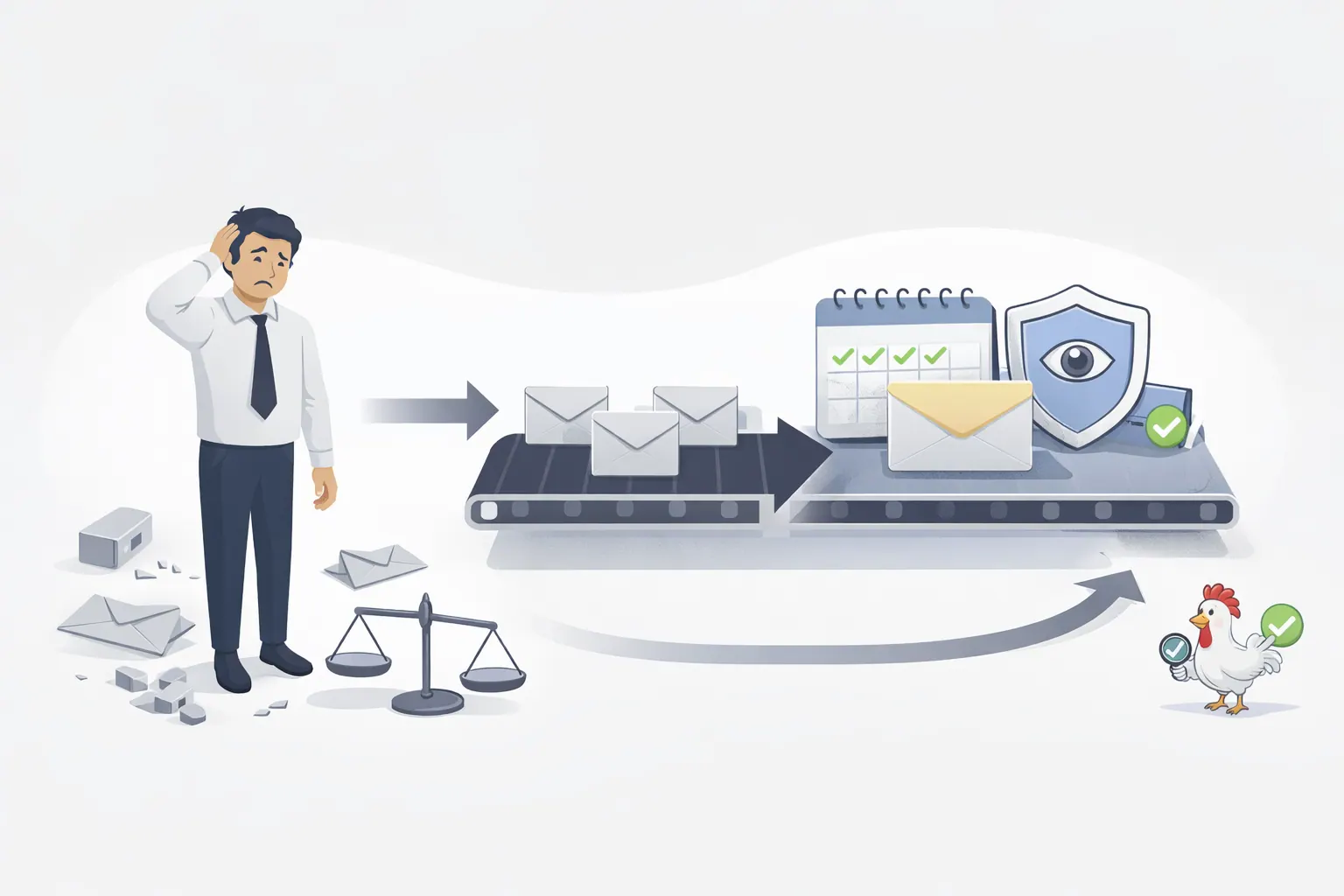
A DMP does not erase your balances. You still repay what you owe. The value comes from creditor concessions, which may include lower APRs, waived fees, and reduced collection pressure when you keep up with the plan. Creditors often agree because a structured payoff usually beats default or bankruptcy for them.
Debt Management Plan (DMP)
A repayment program coordinated by a nonprofit credit counseling agency that consolidates unsecured debt payments and may include negotiated creditor concessions like lower rates or waived fees.
Most DMPs are built to finish within 36 to 60 months. The setup of one payment, a fixed timeline, and negotiated terms is what turns scattered pressure into a single, predictable system.
Who a DMP Helps and Who It Does Not
A DMP works best when your core problem is unsecured debt structure, not a total inability to cover basic living costs. The strongest candidates have steady income, several high-APR unsecured accounts, and a realistic ability to make one consistent monthly payment once rates and fees come down.
You are often a strong candidate when:
- Card and unsecured loan payments crowd out savings but do not collapse essentials.
- You can sustain a structured payment with moderate lifestyle adjustments.
- You want to avoid the instability of settlement defaults.
- You want outside discipline and creditor negotiation support.
You may need a different first step when:
- Income is unstable or currently too low to cover essentials.
- Housing, utilities, food, or medical basics are already severely behind.
- Most of your debt pressure comes from secured loans (mortgage or auto), which a DMP does not restructure.
- Active legal action or severe hardship means you likely need legal counsel or broader relief first.
DMP Fit Screen
| Signal | Interpretation |
|---|---|
| Steady income + tight unsecured debt | Usually a strong DMP candidate |
| Essentials already behind | Stabilize first before long-plan enrollment |
| Mostly secured debt pressure | A DMP may not address the core issue |
| No monthly cushion at all | High failure risk without pre-stabilization |
If you line up mostly with the stabilization signals, steady your cash flow first through hardship plans, temporary forbearance, and strict expense triage, then revisit enrollment after that reset.
The Real Pros and Cons
Every debt strategy has trade-offs. A DMP can deliver fast structure and cost relief, but it asks for discipline and changes how your accounts look in the short term.
Common benefits include:
- One payment instead of many due dates.
- Potentially lower APRs and waived penalties.
- Reduced collection pressure while terms are met.
- Stronger budgeting habits through counselor support.
- Meaningful stress reduction from one plan and one workflow.
Common drawbacks include:
- Enrolled accounts are usually closed for the duration.
- Temporary credit score fluctuations can occur as utilization and account-age factors shift. For context, see how utilization influences scoring.
- A DMP can be noted on your credit report and may limit access to new credit during the program.
- Missed plan payments can break concessions and weaken payment-history strength.
- Secured debt (mortgage or auto) and most student loans are generally not included.
For many borrowers, the long-term payoff path outweighs the short-term inconvenience, and the credit impact is typically less severe than bankruptcy.
What a DMP Costs
Cost is a deciding factor, so price it out before you commit. Nonprofit DMP fees are usually modest and, in many states, legally capped, but you should still confirm every line in writing.
Expect two main fees:
- A one-time setup fee when the plan begins, often a small flat amount.
- A monthly administration fee charged while the plan runs.
Fees vary by agency and state, and they are frequently reduced or waived for clients with genuine hardship. The number that matters is your all-in monthly cost: the payment routed to creditors plus the administration fee. Run a simple stress test on that figure before enrolling.
DMP Cost and Affordability Checks
- Get the full written fee schedule before you authorize any payment
- Test the all-in monthly cost against an income dip and an expense spike
- Confirm whether setup or monthly fees can change mid-plan
- Assume the quoted creditor payment is your total monthly cost
- Accept a payment with zero monthly safety buffer
- Skip checking your state cap on counseling fees
How a DMP Affects Credit and Your Accounts
This is the trade-off people worry about most, so here is the honest version. Entering a DMP does not directly damage your credit by itself. The indirect effects come from how your accounts are handled.
When you enroll, most participating creditors close the enrolled cards. That has two short-term effects:
- It can push your utilization ratio higher because total available credit drops while balances are still being paid down.
- It can lower your average account age over time as old accounts close.
A DMP can also be notated on your credit report, which some lenders see when you apply for new credit during the program. This is part of why new borrowing is discouraged while you are enrolled.
The longer-term picture is different. Consistent, on-time plan payments build a steady payment history, which is the single largest scoring factor for most people. Balances fall, utilization eventually eases as debt clears, and many borrowers end the plan in a stronger, more stable position than where they started. The plan does not guarantee a specific score outcome, and results depend on creditor participation and your own consistency.
Credit Impact Disclosure
Accounts included in a debt management plan are often closed, which can affect utilization and account-age factors in the short term. Long-term outcomes depend on plan completion and ongoing payment behavior, and no plan can guarantee a specific score result.
DMP vs. Other Debt Relief Options
A DMP is the middle path between fully DIY payoff and serious legal relief. Comparing it side by side is the fastest way to decide.
DMP vs. debt settlement. Settlement seeks to pay less than you owe, usually after you stop paying and accept default damage. A DMP repays the full principal with better terms and far less credit harm. If you can afford structured payments, the DMP path is typically lower risk.
DMP vs. bankruptcy. Bankruptcy is a legal process for cases where debt is genuinely unpayable. A DMP is for people who can repay over time with relief on rates and fees. If a consolidation loan is out of reach but bankruptcy is not the right fit, a DMP often lands in between.
If you owe debt you can realistically repay over a few years and want relief on rates and structure, a DMP usually beats both the unsupported DIY grind and the deeper damage of settlement.
How to Decide
The deciding question is not "Do I dislike my debt?" Most people do. The real test is: can I make one structured payment consistently for 3 to 5 years without sacrificing essentials?
Work through it in order:
- Confirm your debt is mostly unsecured. Secured and student debt usually fall outside a DMP.
- Pressure-test affordability. Model the all-in monthly cost against an income dip and a surprise bill.
- Weigh the credit trade-off. Are you comfortable with enrolled cards closing for the duration?
- Compare alternatives honestly. If a low-rate consolidation loan is available, compare it. If repayment is truly impossible, get legal advice on bankruptcy.
- Check your stability runway. If essentials are already behind, stabilize first.
Can you consistently make a structured monthly payment for 3 to 5 years while covering essentials?
What to Watch After You Enroll
If you decide a DMP fits, success is behavioral and operational, not just mathematical. Negotiated rates help, but consistency is the engine. Most failed plans do not collapse in one event; they erode through missed reviews, weak buffers, and quiet new borrowing.
Set a few rules from day one:
- Autopay scheduled after income clears each month.
- A monthly 20-minute review of balance, on-time status, and cash buffer.
- No new revolving borrowing unless your counselor approves it as truly essential.
- An early-warning rule: if you expect any payment risk, contact the agency before a missed payment, not after.
DMP Decision and Enrollment Checklist
Run this checklist before you enroll and again at the 30-day mark to confirm clean execution. If two cycles in a row show shrinking buffers or rising irregular costs, escalate with your counselor and rebalance before a miss occurs.
The Bottom Line
A Debt Management Plan is not a shortcut and not the right answer for everyone. For the right borrower, with mostly unsecured debt, steady income, and the discipline to follow one payment for years, it can turn high-interest chaos into a predictable, supported payoff path. If that describes you, the deciding factors are affordability, the closed-account trade-off, and whether a cheaper option fits better.
Disclosure
This guide is educational and not legal or financial advice. Debt management outcomes vary by creditor participation, state-level rules, fee structures, and your payment consistency.
Frequently Asked Questions
1. How does a Debt Management Plan affect my credit?
- A temporary dip can happen because enrolled accounts are usually closed, which shifts utilization and account-age factors. Long-term outcomes depend on consistent on-time payments, and for many borrowers the impact is less severe than bankruptcy.
2. What does a DMP cost?
- Most nonprofit plans charge a modest one-time setup fee plus a low monthly administration fee, often capped by state law and sometimes waived for hardship. Always confirm the full fee schedule in writing.
3. Will my credit cards be closed if I enroll?
- In most cases, yes. Participating creditors typically close enrolled accounts during the plan to prevent new balances, which is part of why utilization can shift short term.
4. How long does a DMP usually last?
- Most plans run about 3 to 5 years, depending on total balance and the terms negotiated with creditors.
5. Is a DMP the same as debt settlement?
- No. A DMP repays your full balance in a structured way with lower rates or fees, while settlement seeks partial payoff after default risk and usually causes deeper credit damage.
6. What debt types are usually included?
- DMPs focus on unsecured debt such as credit cards, store cards, and some personal loans. Secured debt and most student loans are generally not included.
7. How do I pick the agency to run my plan?
- That step has its own checklist. See how nonprofit credit counseling works for vetting accreditation, fees, and contract terms before enrolling.