Key Takeaways
- Tradelines are simply all the credit accounts (loans, credit cards) listed on your credit report.
- They are the ''twigs and branches'' that form the foundation of your credit history.
- Authorized User (AU) tradelines can help establish initial credit visibility by adding a positive account''s history to your report.
- While AU tradelines are a fast gateway, long-term credit health requires establishing and managing your own primary accounts.
- Understanding tradelines empowers you to strategically build and maintain a strong credit profile.
- Always balance the benefits of tradelines with an awareness of potential risks and varying lender perceptions.
What Are Tradelines: The Foundation of Your Credit Profile
For many, the world of credit can feel like a dense forest, with unfamiliar terms and hidden paths. But grasping the concept of tradelines is like finding a clear clearing. It simplifies how your credit profile is actually constructed. At its core, a tradeline is simply any credit account that appears on your credit report. This includes credit cards, mortgages, auto loans, personal loans, and even some student loans.
Tradeline
An individual account listed on your credit report, such as a credit card, auto loan, mortgage, or personal loan. It details your account activity, including payment history, credit limit, and balance, serving as a fundamental building block of your credit history.
credit report components
The Story Each Tradeline Tells
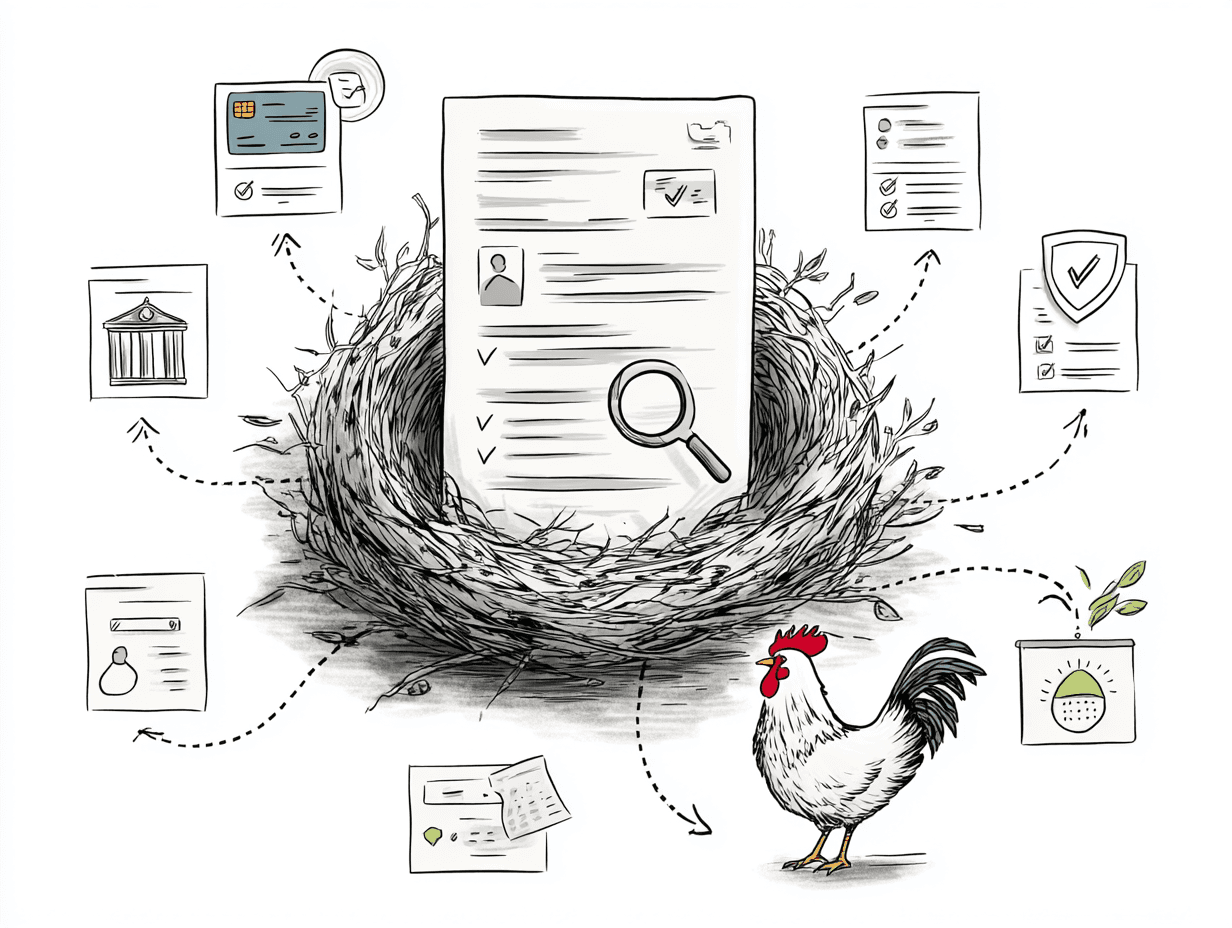
Think of each tradeline as a story told to the credit bureaus by a lender. This story details your account number, the date it was opened, your credit limit or original loan amount, your current balance, and, most crucially, your payment history. Did you pay on time, every time? That matters. These individual stories, collectively, form the narrative of your financial reliability. Without these individual 'twigs and branches,' your 'nest' (your credit report) remains thin, or even invisible. For a deeper dive into credit terms, check out our comprehensive glossary.
How Tradelines Shape Your Credit Score
The impact of tradelines on your credit score is profound because they feed directly into the scoring models. Lenders and credit scoring models like FICO and VantageScore assess several key factors, and tradelines provide the data for almost all of them. Understanding the five factors that determine your credit score is essential:
- Payment History (35% of FICO Score): Every tradeline meticulously records whether you've paid on time. A long history of on-time payments across multiple tradelines is the bedrock of a good score. This is the ultimate sign of reliability.
- Amounts Owed / Credit Utilization (30% of FICO Score): For revolving tradelines (like credit cards), how much of your available credit you're using is critical. Keeping balances low across your tradelines signals responsible management.
- Length of Credit History (15% of FICO Score): The older your tradelines, the better. A long credit history demonstrates stability and experience.
- New Credit (10% of FICO Score): Opening many new tradelines in a short period can be seen as risky. Each new tradeline adds a hard inquiry and lowers your average account age.
- Credit Mix (10% of FICO Score): Having a healthy blend of different types of tradelines (revolving and installment) shows you can manage various forms of credit responsibly. This demonstrates a well-rounded financial maturity.
Without tradelines, these crucial factors simply wouldn't exist for your profile. Your credit report would be a blank slate, leaving lenders with no way to assess your creditworthiness. This is the very definition of being 'credit invisible', a state that often translates to higher risk in the eyes of lenders. A thin credit file can be a significant challenge.
Balancing Benefits and Risks of AU Tradelines
While the benefits of AU tradelines can be substantial, especially for those seeking initial credit visibility, it's crucial to approach them with clear expectations and a balanced understanding of the nuances. Think of it like a strong tailwind that helps you take off, but you still need to learn to flap your own wings.
Potential Benefits:
- Rapid Credit Visibility: For people who are credit invisible, this is often the fastest way to get a tradeline reporting and establish a credit file.
- Improved Credit Metrics: You can benefit from the primary account holder's positive payment history, low credit utilization, and longer account age.
- Gateway to Primary Accounts: The visibility from an AU tradeline may make it easier to qualify for your own secured credit cards or credit-builder loans, which are essential for durable, long-term credit growth.
Important Considerations & Risks:
- Dependent on Primary User: Your credit score is now partially tied to someone else's financial behavior. If the primary user starts making late payments or maxes out their card, it could negatively impact your report.
- Varying Lender Perceptions: While most scoring models count AU tradelines, some lenders may weigh them less heavily than primary accounts, or even disregard them, especially for larger loans like mortgages. FICO vs VantageScore differences affect how AU tradelines are weighed.
- No Financial Responsibility: You don't build your own payment history directly or learn responsible credit management for the AU account. This is why pairing AU tradelines with your own accounts is so vital.
AU Tradeline Best Practices
- Use AU tradelines as a launching pad for credit visibility
- Pair AU accounts with your own secured card
- Monitor the primary account for any negative changes
- Build your own payment history simultaneously
- Rely solely on AU tradelines long-term
- Ignore the primary cardholder's spending habits
- Expect all lenders to weight AU accounts equally
- Skip opening your own primary accounts
This platform champions AU tradelines as a powerful gateway to credit visibility. We believe in providing transparent, educational information to help you understand your options. However, we always stress that sustainable credit growth relies on you taking control and building your own robust financial habits and primary accounts. Read about tradeline legality and ethics in our dedicated articles.
Building Durable Credit: Your Next Steps
Beyond the immediate benefits of AU tradelines, building durable credit means actively cultivating your own primary tradelines and habits. Consider these next steps:
Month 1
Get added as Authorized User for instant visibility
Month 2
Open your own Secured Credit Card
Month 6
Add a Credit-Builder Loan to mix
Ongoing
Set AutoPay and monitor reports
- Get Your Own Secured Credit Card: This is often the next natural step after establishing some initial visibility. You put down a deposit, and that becomes your credit limit. It's an excellent way to prove you can manage your own credit responsibly. Learn more about secured credit cards.
- Explore Credit-Builder Loans: These small installment loans are designed specifically to help you build credit. The funds are held in an account while you make payments, and then released to you at the end of the loan term. It's a structured way to add an installment tradeline to your report.
- Consider Rent Reporting: If you pay rent, many services can now report those on-time payments to credit bureaus, transforming a regular expense into a valuable tradeline.
- Practice Perfect Payment History: No matter the tradeline, consistently paying on time is the single most important factor (35% of your score). Set up AutoPay whenever possible to avoid accidental misses. AutoPay ensures a strong payment history.
- Monitor Your Credit Report: Regularly check your free annual credit reports to ensure all your tradelines are reporting accurately and to spot any errors. Learn how to read and understand your credit report.
Ready to build your credit roost? Exploring authorized user tradelines can be your fastest pathway to establishing credit visibility and taking that crucial first flight. Once you have that initial lift, make sure to add your own durable builders like secured cards, credit-builder loans, and rent reporting to construct a truly resilient financial nest. For a deeper understanding of why your credit score matters for everything from rent to jobs, explore our guide.
Just as a skilled bird builds its nest twig by twig, branch by branch, you too can meticulously construct a strong credit report using tradelines. They are the essential pieces of your financial story, reflecting your discipline, consistency, and reliability. By understanding what tradelines are, how they impact your credit score, and how to strategically leverage options like authorized user accounts alongside your own primary accounts, you're not just building credit. You're building a foundation for a lifetime of financial freedom and opportunity. May your roost be strong and your flight be true.
Action Items
- Get Your Own Secured Credit Card to build your primary credit.
- Explore Credit-Builder Loans for an installment tradeline.
- Consider Rent Reporting to leverage on-time rent payments.
- Practice Perfect Payment History on all your accounts.
- Monitor Your Credit Report regularly for accuracy.
Frequently Asked Questions
1. What is a tradeline?
- A tradeline is an individual account listed on your credit report, such as a credit card, auto loan, mortgage, or personal loan. It details your account activity, including payment history, credit limit, and balance, serving as a fundamental building block of your credit history.
2. How do tradelines affect my credit score?
- Tradelines provide the data for the five main factors of your credit score: payment history (35%), amounts owed/utilization (30%), length of credit history (15%), new credit (10%), and credit mix (10%). Positive activity across your tradelines leads to a higher score.
3. What is an authorized user (AU) tradeline?
- An authorized user tradeline occurs when you are added to someone else's credit card account. The primary cardholder's positive account history (payment history, credit limit, low utilization) can then appear on your credit report, providing a fast way to gain credit visibility without financial responsibility.
4. Are authorized user tradelines the only way to build credit?
- No, while authorized user tradelines can be a fast gateway to initial credit visibility, durable credit strength comes from establishing and responsibly managing your own primary accounts, such as secured credit cards, credit-builder loans, and rent reporting.
5. What are the risks of authorized user tradelines?
- The main risk is that your credit score can be negatively impacted if the primary cardholder makes late payments or overspends on the account. Additionally, some lenders may weigh authorized user tradelines less heavily than primary accounts when making lending decisions, especially for major loans like mortgages or auto loans.
6. What types of accounts are considered primary tradelines?
- Primary tradelines include accounts where you are the sole account holder and financially responsible, such as your own credit cards, personal loans, auto loans, and mortgages. These accounts directly reflect your individual credit management and are reported to all three major credit bureaus (Experian, Equifax, and TransUnion).
Disclaimer: The information provided in this article is for educational purposes only and does not constitute financial, legal, or professional advice. Credit reporting practices and scoring models may change over time. Please consult a qualified professional for personalized guidance.