Key Takeaways
- Your credit score is a crucial factor in many aspects of your life, including housing, employment, and insurance.
- Lenders and employers use your credit score as a quick indicator of your trustworthiness.
- Building a strong credit score can significantly increase your financial freedom and open doors to better opportunities.
- Authorized user tradelines can be a fast way to establish a credit file, but building your own credit through secured cards and credit-builder loans is vital for long-term success.
- Understanding your credit and actively working to improve it is an investment in your future.
Decoding Credit: Your Financial Superpower
What exactly is credit, and why does it matter so much? Simply put, credit is the ability to borrow money and repay it later. Lenders, such as banks and credit card companies, extend credit based on their assessment of your risk. how likely you are to repay the loan. This assessment is largely determined by your credit report and credit score.
Your credit report is a detailed history of your borrowing and repayment activity. It includes information like your payment history, outstanding debts, and the types of credit accounts you have. Credit bureaus, such as Experian, Equifax, and TransUnion, compile this information. Your credit score, on the other hand, is a three-digit number derived from your credit report. It summarizes your creditworthiness into a single, easily digestible figure.
Think of your credit report as your financial resume and your credit score as the summary at the top. A good credit score signals to lenders that you're a responsible borrower, while a low score suggests you might be a higher risk. This affects both whether you're approved for credit and the interest rates you'll pay. Why does a good credit score matter for everything from rent to jobs? Because it's a quick trust signal.
Credit's Ripple Effect: Why Your Score Matters
Now that you know what credit is, let's talk about why it's so important. Your credit score impacts nearly every aspect of your financial life. It influences your ability to:
-
Rent an apartment: Landlords often check credit scores to assess the risk of renting to a prospective tenant.
-
Get a loan: Whether it's a car loan, mortgage, or personal loan, your credit score significantly affects your approval chances and interest rates.
-
Obtain a credit card: A good credit score opens the door to better credit card offers with lower interest rates and rewards programs.
-
Secure a job: Some employers, particularly in the financial sector, check credit scores as part of the hiring process.
-
Get insurance: Insurance companies often use credit scores to determine premiums, with lower scores typically resulting in higher rates.
-
Set up utilities: Utility companies may check credit scores before providing services like electricity, gas, and water.
Housing & Rent
Landlords use your score to decide approvals and deposits.
Auto & Loans
Scores affect loan approvals and interest rates.
Credit Cards
Better scores unlock rewards cards and lower APRs.
Jobs (Some Fields)
Certain employers review credit as part of hiring.
Insurance
Insurers may price premiums based partly on credit.
Utilities
Utility companies can require deposits if scores are low.
The impact of a low credit score can be significant. You might face higher interest rates, difficulty getting approved for loans or credit cards, and even challenges finding housing or employment. On the other hand, a strong credit score can unlock opportunities and save you money in the long run. But what's the difference between credit and debit? While debit cards draw directly from your bank account, credit cards allow you to borrow money that you pay back later, thus building your credit history.
Crafting Your Credit: A Stepbystep Guide
So, how do you build or improve your credit score? If you're starting from scratch or rebuilding after past mistakes, it's essential to understand the factors that influence your score. The two most important factors are:
-
Payment history (35%): Making on-time payments is crucial. Late payments can significantly damage your credit score.
-
Amounts owed (30%): This refers to the amount of debt you owe compared to your available credit. Keeping your credit utilization low (ideally below 30%) is important.
Other factors that influence your score include the length of your credit history, the types of credit you use, and any new credit applications you've made. Building a positive credit history takes time and effort, but it's a worthwhile investment in your financial future. One strategy many newcomers consider is using authorized user (AU) tradelines. Think of an AU tradeline like being added to a parent or trusted friend’s credit card. Their positive payment history can then be reflected on your credit report, providing a potential boost, especially if you have a thin or non-existent file. What is a tradeline, really? In simple terms, it's a credit account that appears on your credit report.
Tradelines: A Boost, Not a Foundation
It's crucial to approach credit building with a balanced perspective. While tools like authorized user tradelines can offer a quick start, they're not a magic bullet. Think of them as a boost to get you off the ground, but not the whole foundation of your roost. How Authorized User Tradelines Work is fairly straightforward: you’re leveraging someone else’s good credit behavior. However, the benefits are not guaranteed, and the impact can vary depending on the lender and credit scoring model.
Important Disclosure: Some lenders and credit scoring models may filter out, discount, or weigh authorized user tradelines differently in their underwriting decisions. Results vary based on lender policies, the specific scoring model used, and your unique credit profile. An AU tradeline does not guarantee loan approval or any specific credit score outcome.
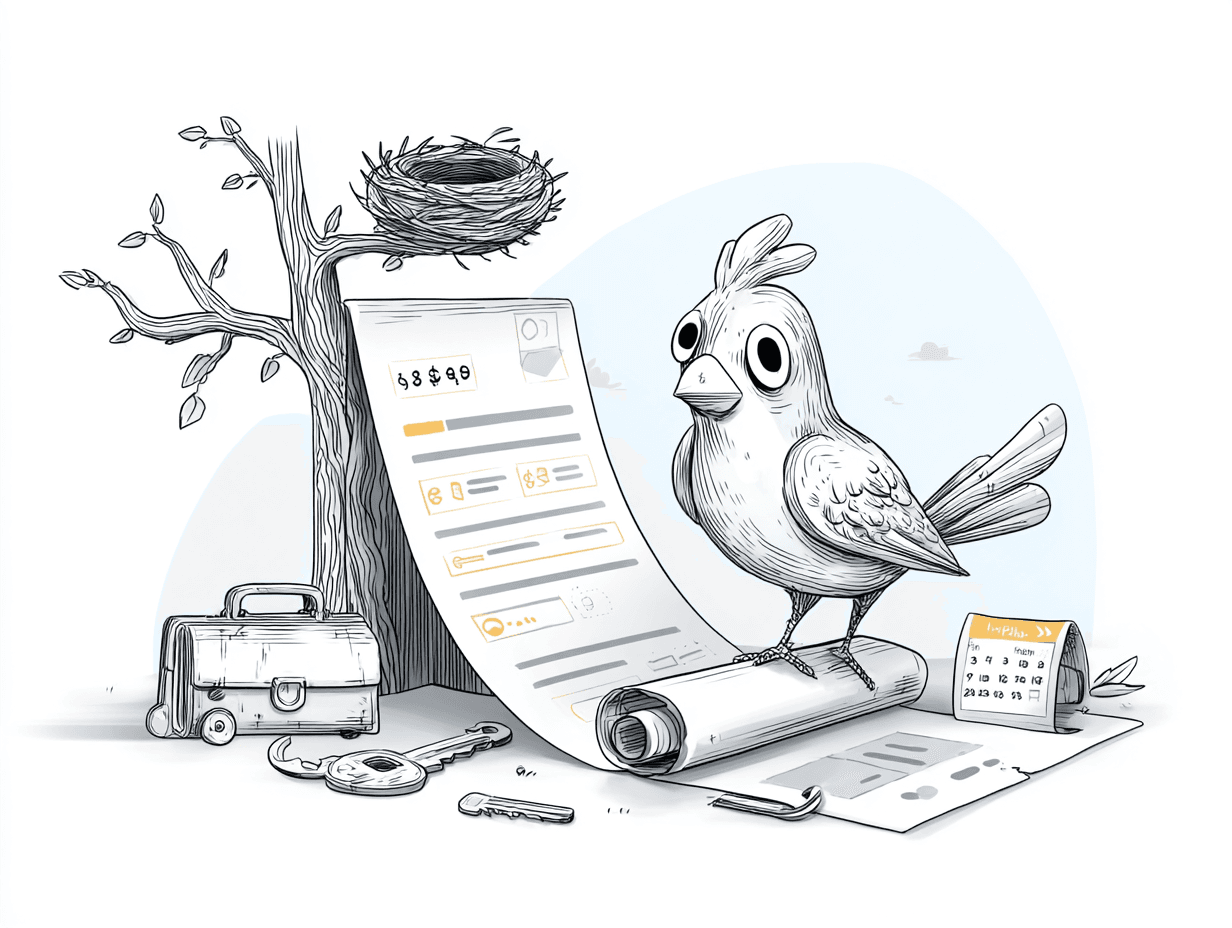
There are risks to be aware of. If the primary cardholder makes late payments or exceeds their credit limit, it can negatively impact your credit score. Furthermore, some lenders may not give as much weight to authorized user accounts as they do to accounts you own yourself. That’s why building your own credit through secured credit cards, credit-builder loans, and rent reporting is vital for long-term credit health. Credit Builder Loans are designed to help you establish credit by making regular payments on a small loan. Rent Reporting allows you to have your rent payments reported to credit bureaus, demonstrating your ability to make timely payments. These are durable builders that create a solid foundation for your financial future. It's also crucial to understand the FICO Score vs. VantageScore, as different lenders may use different scoring models.
Credit in Action: Reallife Scenarios
Let's consider a few scenarios to illustrate how credit can impact different individuals:
-
Nico, the Newcomer: Nico recently arrived in the US and has no credit history. He needs to rent an apartment and get a cell phone plan but is struggling to get approved. He decides to become an authorized user on a family member's credit card to quickly establish a credit file. This helps him get approved for the apartment and phone plan, giving him a solid start.
-
Riley, the Rebuilder: Riley had some financial difficulties in the past and damaged her credit score. She's now working to rebuild her credit so she can qualify for a better interest rate on a car loan. She opens a secured credit card and makes all her payments on time. She also starts reporting her rent payments to the credit bureaus. Over time, her credit score gradually improves, and she secures a lower interest rate on her car loan.
-
Sarah, the Time-Sensitive Applicant: Sarah is applying for a mortgage to buy her first home. She knows her credit score is important but is worried it might not be high enough. She researches options to improve her score quickly. In addition to paying down debt and avoiding new credit applications, she also becomes an authorized user on a trusted friend's credit card to give her score a potential boost before applying for the mortgage. Remember, though, that results may vary. The key is to demonstrate responsible credit behavior over time.
Regardless of your situation, the principles of building good credit remain the same: pay your bills on time, keep your credit utilization low, and build a positive credit history.
Take Flight: Your Credit Action Plan
Ready to take control of your credit and build a brighter financial future? Here's a simple action plan:
Check your credit report and know your starting point
Dispute errors and address negative marks
Open starter accounts (secured card, credit-builder loan, rent reporting)
Build positive history with on-time payments and low utilization
Monitor your credit regularly and adjust as needed
-
Check your credit report: Obtain a free copy of your credit report from AnnualCreditReport.com to see where you stand. It's also important to understand How to Read Your First Credit Report.
-
Identify areas for improvement: Look for any errors or negative marks on your credit report and take steps to address them.
-
Establish credit (if needed): If you have a thin or no credit history, consider becoming an authorized user on a trusted person's credit card or opening a secured credit card.
-
Build a positive credit history: Make all your payments on time and keep your credit utilization low. Consider exploring Credit Builder Loans and Rent Reporting options.
-
Monitor your credit regularly: Keep an eye on your credit report and score to track your progress and identify any potential issues early on. You can explore options for Lowering Utilization Fast.
Building good credit takes time, but it's an achievable goal with consistent effort and responsible financial habits.
Building a Strong Roost: Longterm Credit Success
Remember, building credit is like building a strong, stable roost. It takes time, effort, and the right materials. Authorized user tradelines can provide a quick boost to get you started, but building your own credit through secured credit cards, credit-builder loans, and rent reporting is vital for long-term success. Explore authorized-user tradelines (your fastest gateway) to get your credit journey off to a good start, and then focus on building long-term strength with secured cards, credit-builder loans, and rent reporting. We're here to help you navigate the process and provide the tools and resources you need to succeed. Want to make it even easier? Grab our Credit Starter Kit (checklist + glossary + tracker) to get organized!
Spread Your Wings: Start Building Today
Just like that young bird, you now have the knowledge to start building your financial roost. It might seem daunting at first, but with each positive step you take. each on-time payment, each responsible credit decision. you're strengthening your foundation and creating a more secure future. And remember, we're here to support you every step of the way. So, spread your wings and start building!
Frequently Asked Questions
1. How long does it take to get a credit score as a newcomer?
- Many newcomers see their first score within 30-90 days after opening a credit account or becoming an authorized user.
2. Does becoming an authorized user always help my credit?
- Not always. The account must have perfect payment history, low utilization, and long age to help your score.
3. What is an effective way to build credit from zero?
- A secured card + credit-builder loan + rent reporting. This combination builds history fast and safely.
4. Does checking my own credit score hurt it?
- No. This is a soft inquiry, which has zero impact on your score.
5. Why is credit utilization so important?
- Utilization makes up 30% of your score. Keeping balances low (below 30%, ideally 10%) is an effective way to increase your score.
Disclaimer: The information provided in this article is for educational purposes only and does not constitute financial, legal, or professional advice. Credit reporting practices and scoring models may change over time. Please consult a qualified professional for personalized guidance.
6. What’s the difference between FICO and VantageScore?
- Both are credit-scoring models, but most lenders use FICO for approvals and interest rates.
7. Can I build credit without a Social Security number?
- Yes. Many lenders allow Individual Taxpayer Identification Numbers (ITINs) for secured cards and credit-builder loans.