Key Takeaways
- A glossary of 30-50 essential credit terms, explained in simple language.
- Understanding key concepts like tradelines, credit utilization, and payment history.
- Navigating the credit landscape with confidence and avoiding common pitfalls.
- Building a strong credit foundation for future financial opportunities.
Decoding Credit: Your Personal Translator Is Here
This glossary will equip you with the foundational knowledge you need to understand your credit reports, scores, and overall financial health. We'll break down 30-50 core credit terms in plain English, using relatable examples to help you grasp each concept.
Think of it as your personal translator, helping you decode the mysteries of credit and empowering you to make informed decisions.
Essential Credit Lingo: Twigs, Storage Units, and More
Let's start with some essential terms:
-
Account Balance: This is the total amount of money you owe on a credit account at a specific point in time. Think of it as the current weight of your twig collection. For example, if you have a credit card with a $1,000 limit and you've spent $300, your account balance is $300.
-
Annual Percentage Rate (APR): This is the interest rate you're charged on any outstanding balance on your credit card or loan, expressed as a yearly rate. It's like the cost of renting a storage unit for your twigs. For instance, an APR of 18% means you'll pay 18% of your outstanding balance in interest over a year if you don't pay it off.
-
Credit Bureau: These are the three major companies - Equifax, Experian, and TransUnion - that collect and maintain credit information on consumers. They're like the central record keepers of the forest, tracking everyone's financial activity. They compile your credit history into credit reports, which lenders use to assess your creditworthiness. You can access your credit reports from each bureau annually for free at AnnualCreditReport.com. You'll want to do that, and then use our guide on how to read your first credit report to help you make sense of the details.
-
Credit Limit: This is the maximum amount you can borrow on a credit card. Think of it as the size of your foraging basket. If your credit limit is $5,000, you can't charge more than that amount to the card.
-
Credit Report: This is a detailed record of your credit history, including your payment history, outstanding debts, and credit accounts. It's like a detailed map of your financial journey, showing where you've been and where you're going. Credit Reports vs. Credit Scores: Your Financial Story vs. Your Grade is a great place to start to understand what a report contains and what it’s used for.
-
Credit Score: This is a three-digit number that summarizes your creditworthiness, based on the information in your credit report. It's like a grade that reflects your financial responsibility. Common credit scoring models include FICO and VantageScore. A higher score generally indicates a lower risk to lenders.
-
Credit Utilization Ratio: This is the amount of credit you're using compared to your total available credit. It's calculated by dividing your outstanding credit balances by your total credit limits. Think of it as how full your foraging basket is. Ideally, you want to keep your credit utilization below 30%. To visualize this, picture a dinner plate: you don’t want to overfill it!
-
Default: This occurs when you fail to make payments on a debt for a specified period, as outlined in the loan agreement. It's like abandoning your twig collection, leaving it to rot. Defaulting on a loan can have serious negative consequences for your credit score.
-
Delinquency: This refers to a situation where you're late on a payment. It's like forgetting to water your seedlings - not ideal, but not necessarily fatal if you catch it early. Delinquencies are usually reported to the credit bureaus after 30 days.
-
Hard Inquiry: This occurs when a lender checks your credit report as part of a credit application. It's like a thorough inspection of your nest by a potential landlord. Too many hard inquiries in a short period can lower your credit score slightly.
-
Installment Loan: This is a loan that you repay in fixed monthly installments over a set period of time. It's like receiving a steady ration of twigs each month to build your nest. Examples include mortgages, auto loans, and student loans.
-
Late Payment: This is a payment that is made after the due date. It's like missing a feeding time for your hatchlings. Late payments can negatively impact your credit score, especially if they become frequent.
-
Revolving Credit: This is a type of credit that allows you to borrow money repeatedly, up to a certain limit. It's like having an open feeder tray that you can access whenever you need it. Credit cards are the most common type of revolving credit.
- Secured Credit Card: This is a credit card that requires you to deposit a sum of money as collateral. It's like building your nest on a stable, pre-existing foundation. It can be a good option if you have no credit history or bad credit. Secured credit cards are often the easiest way to
-
Soft Inquiry: This is a check of your credit report that doesn't affect your credit score. It's like casually glancing at a neighboring nest without disturbing anyone. Soft inquiries occur when you check your own credit report, or when a lender pre-approves you for a credit card.
-
Tradeline: This is an account listed on your credit report. It can be a credit card, loan, or any other type of credit account. It's like a detailed branch in the structure of your credit nest. Understanding how tradelines work is key to building and managing your credit effectively. A quick note: If you're new to the US, remember that your home country's credit history doesn't transfer.
Tradeline
A credit account listed on your credit report, such as a credit card or loan.
Positive tradelines build your score; negative ones hurt it.
Tradelines Unveiled: Building Blocks of Your Credit Profile
Let's dig deeper into the concept of a tradeline, since it’s a critical building block for your credit profile. A tradeline represents a credit account that's reported to the credit bureaus. These accounts come in two main flavors: revolving and installment. Revolving accounts, like credit cards, offer a flexible credit line that you can use and repay repeatedly. Installment loans, like mortgages or auto loans, provide a fixed sum that you repay in regular installments over a set term.
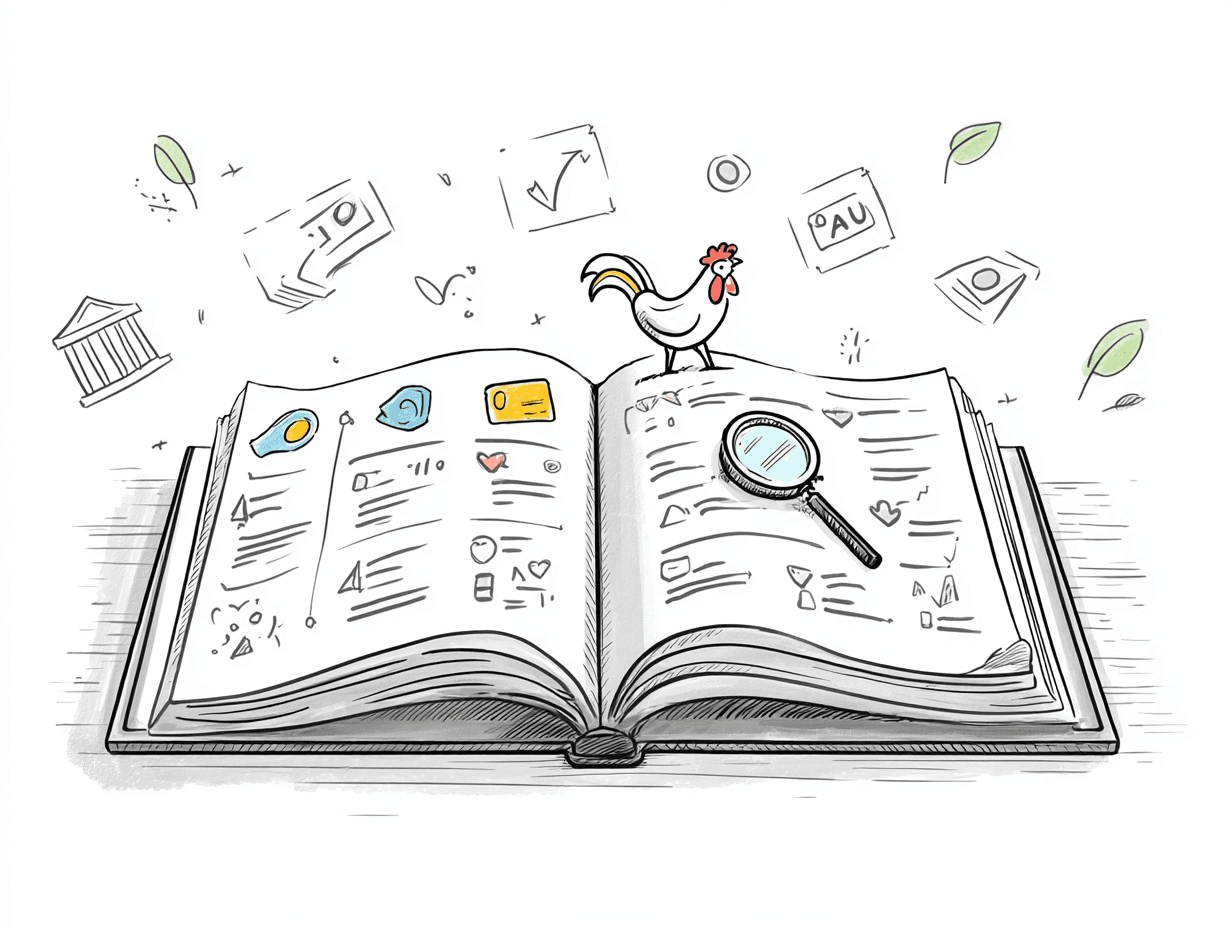
A tradeline contains a wealth of information, including the account type, credit limit (or loan amount), payment history, and current balance. This information is used to calculate your credit score. A positive tradeline, characterized by on-time payments and responsible credit utilization, can boost your credit score. Conversely, negative tradelines, marked by late payments or defaults, can damage your credit score.
Authorized User (AU) tradelines offer a unique way to enhance your credit profile. By becoming an authorized user on someone else's credit card, you can inherit their positive payment history and credit limit. This can be a particularly beneficial strategy if you're new to credit or rebuilding your credit after past mistakes.
However, it's important to understand that the primary cardholder's behavior can also impact your credit score as an authorized user. If they miss payments or max out their credit card, your credit score could suffer. That’s why it’s helpful to think of AU accounts as a great gateway; you get quick visibility, but ultimately you want to build your own credit accounts to have full control.
Important Disclosure: Some lenders and credit scoring models may filter out, discount, or weigh authorized user tradelines differently in their underwriting decisions. Results vary based on lender policies, the specific scoring model used, and your unique credit profile. An AU tradeline does not guarantee loan approval or any specific credit score outcome.
When you're reviewing your credit report, pay close attention to the tradelines listed. Verify that all the information is accurate and dispute any errors you find. Understanding the details of each tradeline will give you valuable insights into your credit history and help you identify areas for improvement. You can get your free annual reports from AnnualCreditReport.com, and that's a great place to start this investigation.
The Credit Marathon: Building Lasting Financial Habits
Remember, building a strong credit profile is a marathon, not a sprint. While strategies like AU tradelines can provide a quick boost, they're not a substitute for responsible credit management. Focus on establishing good financial habits, such as paying your bills on time, keeping your credit utilization low, and avoiding unnecessary debt. These habits will lay the foundation for long-term credit success.
Also remember that lenders and scoring models may treat AU accounts differently. Some may give them less weight than accounts in your own name. Also, while a tradeline can give you a boost, it won't erase negative information from your credit report. It's all part of a broader picture, and the best approach involves balancing the benefits of tradelines with durable habits like on-time payments and low utilization. Consider setting up autopay to form that habit now.
Credit in Action: Real-Life Stories of Nico & Riley
Here are a few examples of how understanding credit terms can impact real-life scenarios:
-
Nico, the Newcomer: Nico recently moved to the US and has no credit history. They need to get approved for an apartment but are facing rejections due to their thin credit file. By becoming an authorized user on a family member's credit card with a long history of on-time payments, Nico can quickly establish a credit score and improve their chances of getting approved for housing. Nico also starts by opening a secured credit card to further build credit in their own name.
-
Riley, the Rebuilder: Riley had some financial setbacks in the past and is now working to rebuild their credit. They have several negative items on their credit report, including late payments and a collection account. By focusing on making on-time payments on all their current debts and keeping their credit utilization low, Riley can gradually improve their credit score. They also explore options like credit repair to address the inaccurate or outdated information on their credit report.
-
Time-Sensitive Tara: Tara needs a new car to get to work, but they have a low credit score and are getting quoted high interest rates. By lowering their credit utilization ratio and becoming an authorized user on a trusted friend's credit card, Tara can quickly boost their credit score and qualify for a better interest rate on their auto loan. Tara makes sure to compare loan offers from multiple lenders to find the best deal.
Your Credit Action Plan: Get Started Today
Here's a quick action plan to get you started:
-
Review your credit reports: Obtain free copies from AnnualCreditReport.com and look for any errors or inaccuracies.
-
Understand your credit score: Check your credit score regularly using a free credit monitoring service or through your credit card issuer.
-
Pay your bills on time: Set up automatic payments to avoid late fees and negative impacts on your credit score.
-
Keep your credit utilization low: Aim to use no more than 30% of your available credit on each credit card.
-
Build a positive credit history: Open a secured credit card or credit-builder loan to establish or rebuild your credit.
-
Consider becoming an authorized user: If appropriate, ask a trusted friend or family member to add you as an authorized user on their credit card.
Glossary Action Items
- Check Account Balance vs Limit
- Review Credit Report for Tradelines
- Identify Revolving vs Installment Accounts
- Monitor Utilization Ratio
Building Your Nest: Knowledge Is Your Strongest Twig
As you prepare to take flight and build your financial future, remember the knowledge you've gained in this field guide. With a clear understanding of credit terms and a commitment to responsible credit management, you can navigate the landscape with confidence and soar to new heights. Just as a bird builds its nest one twig at a time, you can build your credit profile one smart decision at a time. And remember, we're here to support you every step of the way.
Frequently Asked Questions
1. What is the difference between a hard and soft inquiry?
- A hard inquiry (from a lender application) can lower your score slightly. A soft inquiry (checking your own rate) does not affect your score.
2. What does APR stand for?
- Annual Percentage Rate. It represents the yearly cost of borrowing money, including interest and fees.
3. What is a secured credit card?
- A card backed by a cash deposit you make upfront. It is a great tool for building credit if you can't get a regular card.
4. What is a tradeline?
- A tradeline is simply a credit account (like a credit card or loan) listed on your credit report.
5. What is a Co-signer?
- Someone who agrees to be responsible for your debt if you don't pay. It can help you get approved but risks their credit too.
6. What is a Charge-off?
- When a creditor gives up on collecting a debt (usually after 180 days late) and writes it off as a loss. It is a severe negative mark.
7. What is the difference between Statement Balance and Current Balance?
- Statement balance is what you owed when the bill was issued (pay this to avoid interest). Current balance includes new charges made since then.