Key Takeaways
- Always verify the debt's legitimacy, ownership, and accurate reporting dates with the original creditor and all three credit bureaus.
- Never pay a collection without a written Pay-for-Delete agreement that explicitly states the account will be removed from your credit reports.
- Be wary of restarting the Statute of Limitations (SOL) by making partial payments or acknowledging the debt, especially for very old accounts.
- Insist on all communications being in writing; avoid phone calls for negotiations to maintain a clear, documented record.
- Continuously monitor your credit reports and scores across all three bureaus to track changes and ensure agreements are upheld.
- Don't panic or make hasty decisions; a strategic, documented approach is far more effective than an impulsive payment.
The Nuance of Paying Old Collections: A Strategic Approach
TL;DR: Deciding whether to pay an old collection requires careful verification and strategy, as a wrong move can accidentally restart the debt's clock or harm your credit further. Always verify the debt and negotiate a 'pay-for-delete' in writing to protect your financial nest.
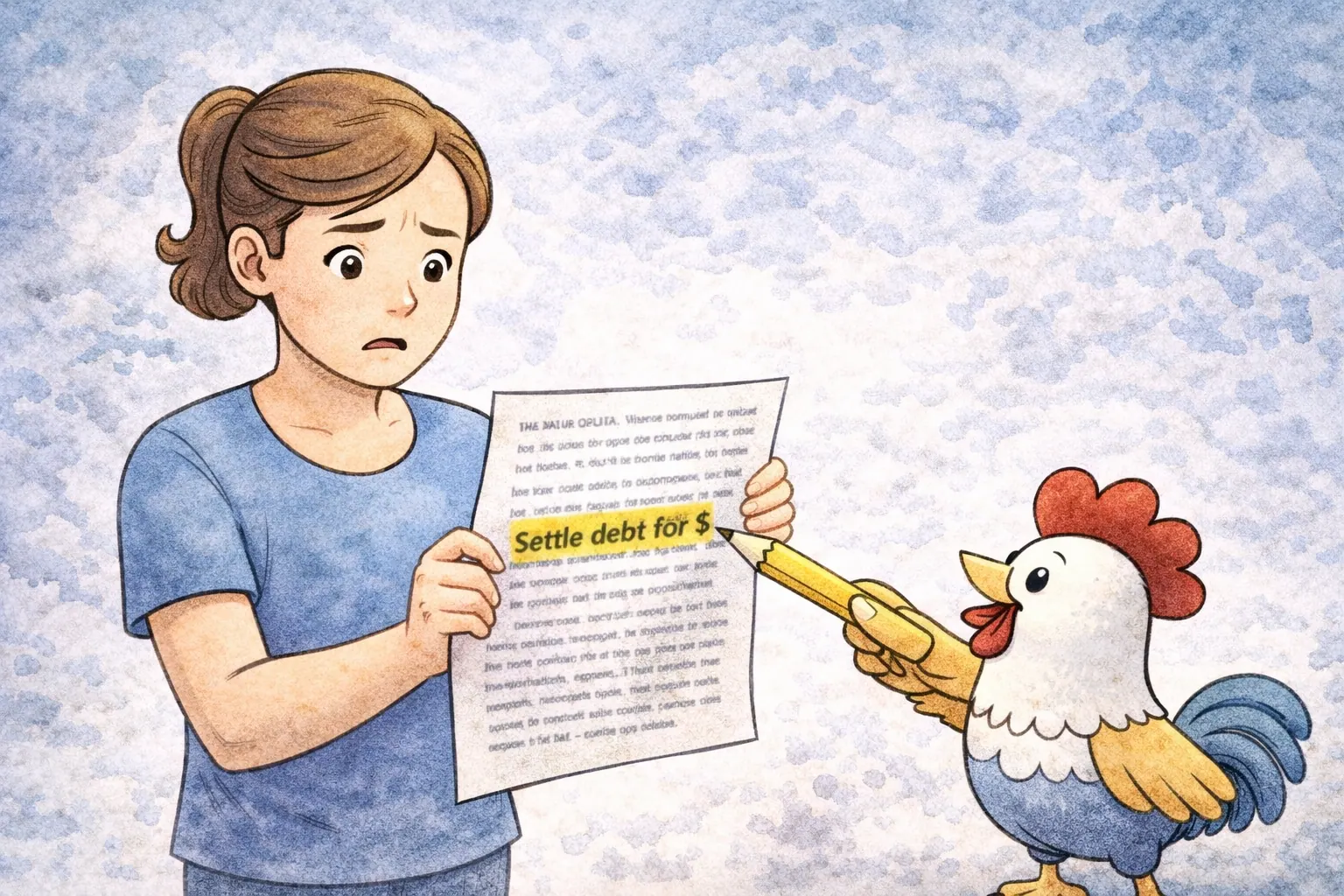
Should you pay an old collection? The answer is nuanced, but often, 'yes, but only if you do it strategically' is the best path. The biggest mistake many people make is acting impulsively without understanding the potential pitfalls. Old collection accounts are like stubborn, thorny weeds in your credit garden; simply yanking at them without care can scatter seeds and create more problems. Your goal isn't just to remove the visible weed, but to ensure it doesn't grow back stronger or leave behind lasting damage. This means understanding the rules of engagement and avoiding common, costly missteps that can backfire, setting your credit building efforts back months or even years.
"Paying an old collection always removes it from your credit report."
Paying only changes the status to paid. To remove it entirely, negotiate a written Pay-for-Delete agreement before sending any money.
Why?
A 'paid collection' still harms your score for years. Deletion, not payment alone, is the goal.
Mistake 1: Not Verifying the Debt - Is It Even Yours (or Legitimate)?
Before you even think about reaching for your wallet, you absolutely must verify the debt. This isn't just good practice; it's your right under the Fair Debt Collection Practices Act (FDCPA). Collection agencies often buy debts in bulk, and sometimes, the information can be inaccurate, incomplete, or even outright wrong. You might be dealing with a debt that's not yours, one that's already been paid, or one that's beyond the reporting period.
"Collection accounts are always accurate and belong to you."
Agencies often buy debts in bulk with errors. Always send a debt validation letter before taking any action on a collection account.
Why?
You have the right under the FDCPA to demand written proof of the debt's validity before paying anything.
A closely related concept is understanding your rights when dealing with collections in general. For deeper context on this, you might find our guide, 'How to Remove a Collection Account (Without Making It Worse)', helpful in understanding the initial steps.
Mistake 2: Paying Without a Written 'Pay-for-Delete' Agreement
Here's a crucial insight that many newcomers miss: simply paying a collection account does not automatically remove it from your credit report. It will simply update the status to 'paid collection,' which, while better than 'unpaid collection,' still carries a negative impact for years. It's like cleaning a stain but leaving the lingering shadow. Your goal is to remove the shadow entirely.
What to do: Always, and we mean always, negotiate a 'Pay-for-Delete' agreement in writing before you send any money. This agreement stipulates that once you pay the agreed-upon amount (often a negotiated settlement for less than the full balance), the collection agency will remove the entry from your credit reports entirely. Without this written agreement, there's no guarantee they'll remove it, and you'll have little recourse. This negotiation is critical; a documented negotiation and dispute sequence is key to avoiding backfiring, as emphasized in many of our credit building articles. If they won't agree to a full deletion, negotiate for an update to 'paid in full' as the next best option.
This process of negotiation can feel like navigating a complex financial landscape. To ensure you're not making common missteps, consider reviewing our article, 'Charge Off vs. Collection: The 5 Costly Mistakes People Make', which further details negotiation strategies.
The Pay-for-Delete Rule
Never send payment to a collection agency without first receiving a written Pay-for-Delete agreement. Once you pay, your negotiating leverage is gone. Get the deletion commitment in writing, via certified mail, before any money changes hands.
Mistake 3: Reviving the Statute of Limitations (SOL)
This is perhaps one of the most insidious mistakes. Every state has a Statute of Limitations (SOL) for debts, which is the legal time limit a creditor or collection agency has to sue you to collect a debt. Once this period expires, they can no longer take you to court. For many types of debt, this can range from 3 to 10 years, depending on your state.
The Trap: Making a partial payment or even acknowledging the debt (especially in writing or verbally) can, in many states, restart the clock on the SOL. This means an old debt that was legally unenforceable could suddenly become a live threat again, leaving you vulnerable to lawsuits. Even if you don't intend to pay, be cautious about engaging with very old debts if you're not fully prepared to settle them.
Step 1
Find the date of first delinquency on your credit report. Collections can only appear for 7 years from this date, regardless of payment status.
Step 2
Look up your state Statute of Limitations for your specific debt type. It typically ranges from 3 to 10 years.
Step 3
If the debt is past the SOL and nearing the 7-year reporting window, it may be safer to let it age off rather than risk restarting the clock.
Step 4
Never acknowledge or make partial payments verbally. All communication must be in writing to protect your legal position.
Mistake 4: Communicating Verbally or Without Documentation
Collection agencies are businesses, and their primary goal is to collect money. While some may be professional, others might be less so. Relying on verbal agreements is a recipe for disaster. The representative you speak with today might not be there tomorrow, or the 'agreement' might be conveniently forgotten.
What to do: All communication, from your initial debt validation request to your 'Pay-for-Delete' negotiation, must be in writing. Send letters via certified mail with a return receipt requested. Keep meticulous records of everything: copies of your letters, proof of mailing, their responses, and notes from any phone calls (including dates, times, and who you spoke with). This paper trail is your strongest defense if disputes arise or if they fail to uphold their end of an agreement. This commitment to documented actions directly supports the key point: 'Use a documented negotiation and dispute sequence to avoid backfiring.'
Mistake 5: Ignoring Your Credit Reports During the Process
Handling a collection account isn't a one-and-done task. It's a multi-step process that requires vigilance and follow-through. Once you've verified the debt, negotiated, and made a payment, your work isn't over. Many people assume the collection will simply disappear after payment, only to find it lingering months later.
How Collection Accounts Affect Your Credit Score
| Credit Factor | Weight | Collection Impact |
|---|---|---|
| Payment History | 35% | Severe: defaults heavily damage this top factor |
| Amounts Owed | 30% | Moderate: balances owed to collectors affect reporting |
| Length of History | 15% | Minor: 7-year clock affects overall history length |
| Credit Mix | 10% | Minimal: single collection has limited direct impact |
| New Credit | 10% | Small: collector inquiries leave a minor footprint |
Mistake 6: Panicking and Making Hasty Decisions - Don't Fall for Quick Fixes
The presence of an old collection can be stressful, leading to an understandable desire to make it disappear as quickly as possible. This urgency, however, can make you vulnerable to bad advice, aggressive collection tactics, or even credit repair scams that promise impossible results. Rushing into a decision, like paying without proper verification or negotiation, is a common pitfall that often leads to regret.
Your financial nest isn't built overnight, and repairing damage takes careful, consistent effort. While an authorized user (AU) tradeline may offer a path to credit visibility by adding a positive account to your file, durable credit strength comes from establishing your own accounts and consistent good habits. Think of it as adding a sturdy, well-tested branch to your nest (the AU tradeline) while simultaneously gathering your own strong materials (secured credit cards, credit-builder loans, rent reporting) to build out the rest of your sanctuary. This layered approach can support both visibility and sustainable, long-term growth.
Action Items
Dealing with an old collection account doesn't have to feel like a financial ambush. By understanding these six common mistakes and proactively avoiding them, you can transform a daunting challenge into an opportunity to strengthen your credit profile. Remember to verify everything, demand written agreements, understand the Statute of Limitations, document all communication, monitor your reports diligently, and above all, resist the urge to panic. Your credit nest is a valuable asset, and with strategic care, you can ensure that even old shadows won't prevent it from becoming a strong, resilient sanctuary for your financial future. Begin by confirming those details, then move to thoughtful negotiation. Your diligence today will pay dividends for years to come.
Frequently Asked Questions
1. How long do collections stay on my credit report?
- Collection accounts typically remain on your credit report for up to seven years from the original delinquency date of the account, even if you pay them off. The exact date can be found on your credit report.
2. Does paying a collection automatically strengthen the factors behind my credit score?
- Not necessarily. While paying a collection is better than leaving it unpaid, if it remains on your report as 'paid collection,' it still negatively impacts your score. To truly help, you need a 'Pay-for-Delete' agreement in writing, where the collection agency agrees to remove the entry entirely from your credit reports upon payment.
3. What is the Statute of Limitations (SOL) for collections?
- The Statute of Limitations (SOL) is the legal time limit during which a creditor or collector can sue you for a debt. This period varies by state and debt type (typically 3-10 years). Making a partial payment or even acknowledging the debt can restart this clock in many states, making an old, unenforceable debt legally actionable again.
4. What if I can't afford to pay the full collection amount?
- You can often negotiate a settlement with the collection agency to settle the debt for less than the full amount. This is a common practice. Always aim to get this agreement, including a 'Pay-for-Delete' clause, in writing before making any payment.
5. When should I dispute a collection account?
- You should dispute a collection account if you believe the information is inaccurate, the debt is not yours, it's already paid, or it's beyond the legal reporting period. Send a debt validation letter to the collection agency and, if necessary, dispute directly with the credit bureaus, providing all supporting documentation.
6. What is 'zombie debt'?
- Zombie debt refers to old debts that are past the Statute of Limitations (SOL) and/or past the credit reporting period, but debt collectors still attempt to collect them. While they can no longer sue you for the debt (if past SOL), making a payment or acknowledging it can sometimes revive the SOL, making it enforceable again.
Disclosure
Some lenders and credit scoring models may filter out, discount, or weigh authorized user tradelines differently in their underwriting decisions. Results vary based on lender policies, the specific scoring model used, and your unique credit profile. An AU tradeline does not guarantee loan approval or any specific credit score outcome.