Key Takeaways
- An emergency fund is only for unexpected, urgent costs: job loss, medical bills, urgent car or home repairs.
- Start with a $500 to $1,000 starter buffer, then build toward 3 to 6 months of essential expenses.
- Keep it in a separate high-yield savings account so it stays liquid and out of sight from everyday spending.
- On a tight budget, automate small payday transfers and route windfalls straight into the fund.
- Use it only for true emergencies, then refill it; for planned costs, use a sinking fund instead.
Why an Emergency Fund Matters for Unexpected Costs
Picture your financial life as a carefully constructed nest. You've woven in threads of responsible spending and are diligently nurturing your future. But what happens when an unexpected storm rolls in, a sudden gust of job loss, a downpour of medical bills, or a lightning strike of urgent car or home repairs? Without a robust foundation, even the most beautifully built nest can be left vulnerable, forcing you to use resources intended for growth or, worse, to take on new high-interest debt just to stay afloat.
An emergency fund exists for exactly one job: covering the costs you cannot see coming. It is not for a holiday, a planned vacation, or a new car you already know you want. Those are predictable, and predictable expenses belong in a different bucket (more on that below). This guide stays strictly on the unexpected side: why the safety net matters, how many months to save, where to keep it, how to build it on a tight budget, and when to actually spend it.
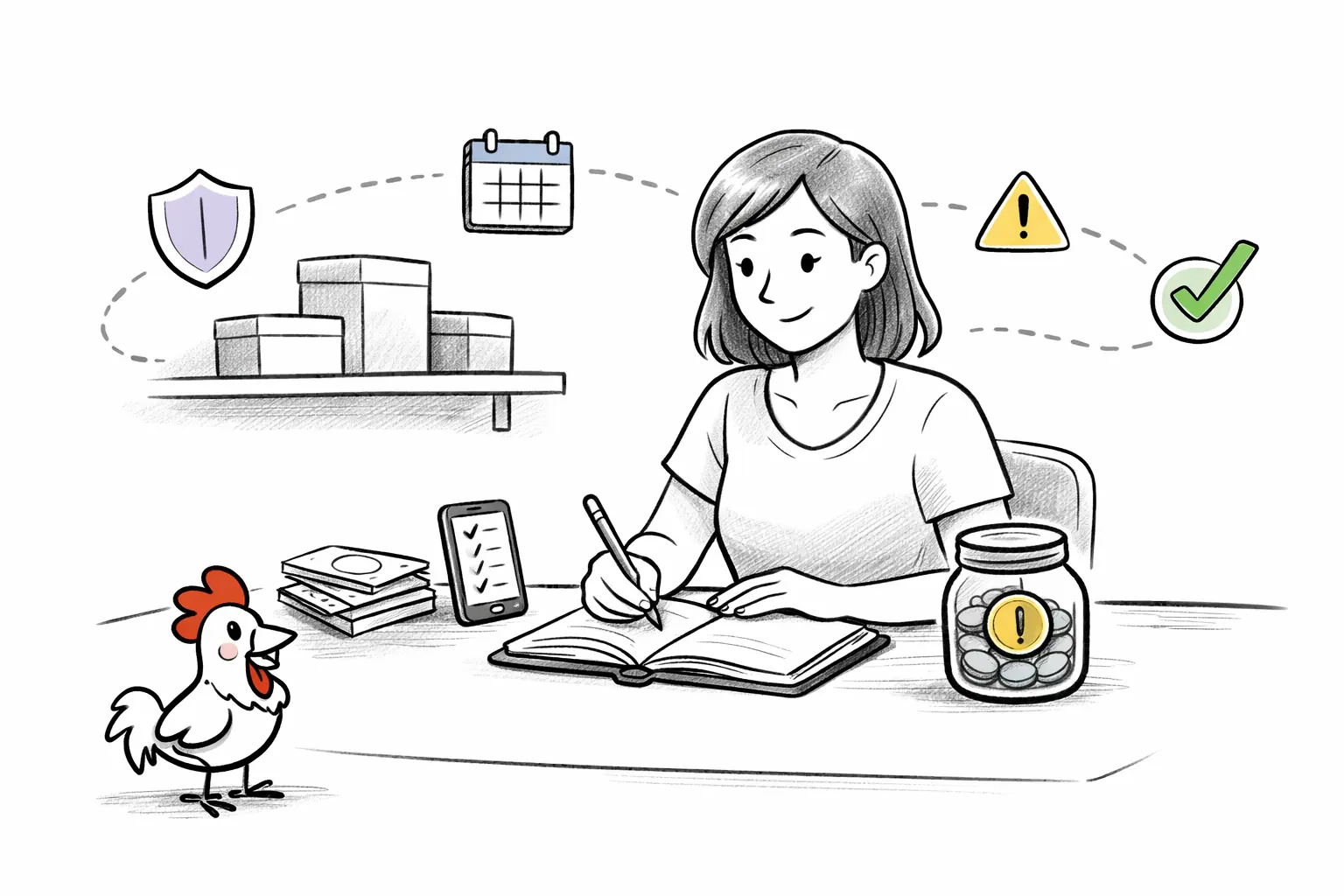
The Unseen Shield: What an Emergency Fund Truly Is
This is where the emergency fund comes in. Think of it as the deepest, most secure part of your financial roost, a hidden cache of resources set aside for the events you genuinely cannot predict. It is not for a new gadget, a spontaneous trip, or a home improvement you already have on the calendar. Instead, it is a dedicated safety net, poised to catch you when life throws the truly unforeseen your way. This fund isn't just about money; it is about peace of mind, stability, and the ability to weather financial squalls without derailing your long-term goals. Having this cushion means you won't have to raid your retirement savings, lean on high-interest credit cards, or make desperate financial choices when the unexpected strikes.
The line between an emergency fund and other savings is sharp: an emergency is unplanned and urgent. A burst pipe at 2 a.m. is an emergency. A predictable annual insurance premium is not. Keeping that line clean is what protects you, because the moment you start spending your safety net on things you could have planned for, it stops being a safety net.
Defining Your Safety Net: What Exactly is an Emergency Fund?
An emergency fund is a dedicated pool of readily accessible money, separate from your regular checking account, specifically reserved for unexpected life events, ensuring you don't have to rely on debt or compromise your long-term financial stability. It's your personal financial bodyguard, protecting you from the financial fallout of job loss, medical emergencies, unforeseen home repairs, or urgent car maintenance. Building this fund is one of the most fundamental and empowering steps you can take in your financial journey.
Emergency Fund
A dedicated pool of readily accessible money, separate from your regular checking account, specifically reserved for unexpected life events, ensuring you don't have to rely on debt or compromise your long-term financial stability.
How Much 'Nest Egg' Do You Need? Setting Your Emergency Fund Goal
Start with the left target and graduate to the right target. That phased approach keeps progress realistic while still aiming for durable protection.
Where to Keep Your 'Nest Egg': The Power of a High-Yield Savings Account
Once you know your target, the next critical question is: where do you keep this fund? The best home for your emergency savings is a separate high-yield savings account (HYSA). This isn't your everyday checking account, nor is it a risky investment vehicle. A HYSA offers three key advantages.
- Separation. Keeping the money in its own account creates a mental barrier that makes it harder to dip into for non-emergencies, preserving the fund's purpose.
- Liquidity. This is the most important trait for a safety net. You can usually access the cash within a day or two, which matters when an emergency hits without warning. Avoid locking emergency money into CDs, stocks, or anything you cannot pull out instantly.
- Modest growth. "High-yield" means it earns more interest than a standard savings account, so your buffer keeps a little pace with inflation while it waits.
The reason liquidity beats return here is simple: an emergency fund's job is to be there the second you need it, not to maximize earnings. Park it somewhere safe and reachable, and let your longer-term money chase growth elsewhere.
When to Use Your Emergency Fund (and When Not To)
A safety net only works if you know exactly when to pull it. The test is two questions: is this cost urgent, and was it genuinely unexpected? If both answers are yes, that is what the fund is for. If either answer is no, leave the money alone.
Yes, this is an emergency:
- A sudden job loss that cuts off your income.
- An urgent medical bill you could not foresee.
- A car repair you need to get to work this week.
- A burst pipe, broken furnace, or other urgent home repair.
No, this is not an emergency:
- Holiday gifts, a wedding, or a vacation you have known about for months.
- An annual bill like insurance or property taxes that arrives on the same date every year.
- A want, like an upgraded phone or a great sale, that simply feels urgent.
The benefit of drawing this line cleanly is that you avoid leaning on credit cards or high-interest loans the moment a real crisis hits. When you have cash ready, you cover the bill, keep your other payments on track, and protect yourself from a debt spiral that can take months to climb out of.
The chart above is illustrative, not a guarantee. The core point is simple: cash reserves usually shorten financial recovery and keep one bad month from snowballing into a year of payments.
Real-Life Scenarios: The Impact of an Emergency Fund
Let's look at how a safety net plays out when the unexpected hits:
-
The Sudden Work Expense: Nico has just started their first job out of college. One day, their laptop, essential for work, suddenly dies. The repair will cost $600. Without an emergency fund, Nico would likely have to put this on a credit card and make only minimum payments because money is already tight, paying interest for months on a single repair. With a starter buffer of $1,000, Nico instead pays for the repair outright, keeps the card clear, and moves on. The peace of mind alone is worth the savings habit.
-
The Unexpected Medical Bill: Riley has finally stabilized their finances and is making every payment on time. Then a sudden, unexpected medical bill arrives for $1,500. Without a safety net, Riley would be forced to choose between paying this bill and covering other essentials, risking a late payment on something else. With an emergency fund in place, Riley covers the bill without missing a beat and without taking on new debt, so one surprise does not knock the whole month off course.
-
Job Loss: Imagine you suddenly lose your job. The immediate panic is immense. You need time to search for a new role, update your resume, and attend interviews. If you have 3 to 6 months of essential expenses saved, you gain invaluable breathing room. You can focus on finding the right next step rather than taking the first low-paying offer out of desperation. The fund lets you keep paying rent, utilities, and groceries without drawing down retirement savings or turning to predatory loans during a hard transition.
Can this expense be covered by your emergency fund without missing essential bills?
Whether your answer is yes or no, a written plan keeps you in control and prevents one emergency from turning into a long debt spiral.
Building Your Fund: Practical Steps to a Secure Nest
Set a starter target of $500 to $1,000
Open a separate HYSA for emergency savings
Automate weekly or payday transfers
Build toward 3 to 6 months of essentials
Treat each step as non-negotiable. Consistency matters more than speed, and automated progress is what turns a goal into a permanent safety system.
Your Emergency Fund Action Items
Use this short checklist to turn the plan above into concrete moves. Work through it in order, and revisit it whenever your income or essential expenses change.
Action Items for Your Emergency Fund
Refilling the Fund After You Use It
Spending your emergency fund is not a failure. It is the fund doing its job. The mistake is leaving it empty afterward. The moment a crisis passes, treat refilling the buffer as your top savings priority again, just like when you first built it. Restart the automatic transfers, redirect any windfall toward the gap, and trim non-essentials until the balance is back where it belongs.
A useful rhythm is to give the fund a quick review whenever your essential expenses change. A new apartment, a baby, or a higher insurance bill all raise your monthly baseline, which means your 3 to 6 month target moves up too. Recalculate, adjust the goal, and keep the automatic transfers running. An emergency fund is not a one-time project; it is a permanent system that flexes with your life.
Disclosure
Savings outcomes vary by individual situation, income, and spending behavior. An emergency fund can reduce reliance on debt during a crisis, but it does not guarantee any specific financial or credit outcome.
Frequently Asked Questions
1. What is the primary purpose of an emergency fund?
- The primary purpose is to provide a financial safety net for unexpected life events, such as job loss, medical emergencies, or unforeseen repairs, without relying on debt.
2. How much money should I aim to save in my emergency fund?
- The general recommendation is to save 3 to 6 months of essential living expenses. Start with a smaller, achievable goal of $500 to $1,000 to cover immediate, minor unexpected costs.
3. Where should I keep my emergency fund?
- It's best to keep your emergency fund in a separate, easily accessible high-yield savings account (HYSA). This keeps it distinct from your everyday spending money and allows it to earn more interest.
4. What counts as a real emergency I can use the fund for?
- Use it only for costs that are both urgent and genuinely unexpected, such as job loss, an unforeseen medical bill, or an urgent car or home repair. Planned costs like holidays, vacations, or annual bills do not qualify.
5. What is the first step to building an emergency fund?
- The first step is to set a realistic initial goal (for example, $500 to $1,000) and then automate small, consistent transfers from your checking account to your designated emergency savings account each payday.
6. How is an emergency fund different from a sinking fund?
- An emergency fund covers unexpected, urgent costs you cannot predict. A sinking fund saves for planned, known expenses with a target amount and date. Most people benefit from keeping both, in separate accounts.