Key Takeaways
- US credit bureaus operate independently from those in other countries, so your existing credit history doesn't automatically transfer.
- Think of it as building a new nest. you're starting from scratch in a new location.
- You can jumpstart your credit journey in the US by becoming an authorized user on a credit card or using a secured credit card.
- Establishing a good payment history and keeping your credit utilization low are crucial for building a strong credit score in the US.
- Understanding the basics of US credit, like credit reports, scores, and utilization rates, will help you navigate the system effectively.
Credit's Continental Divide
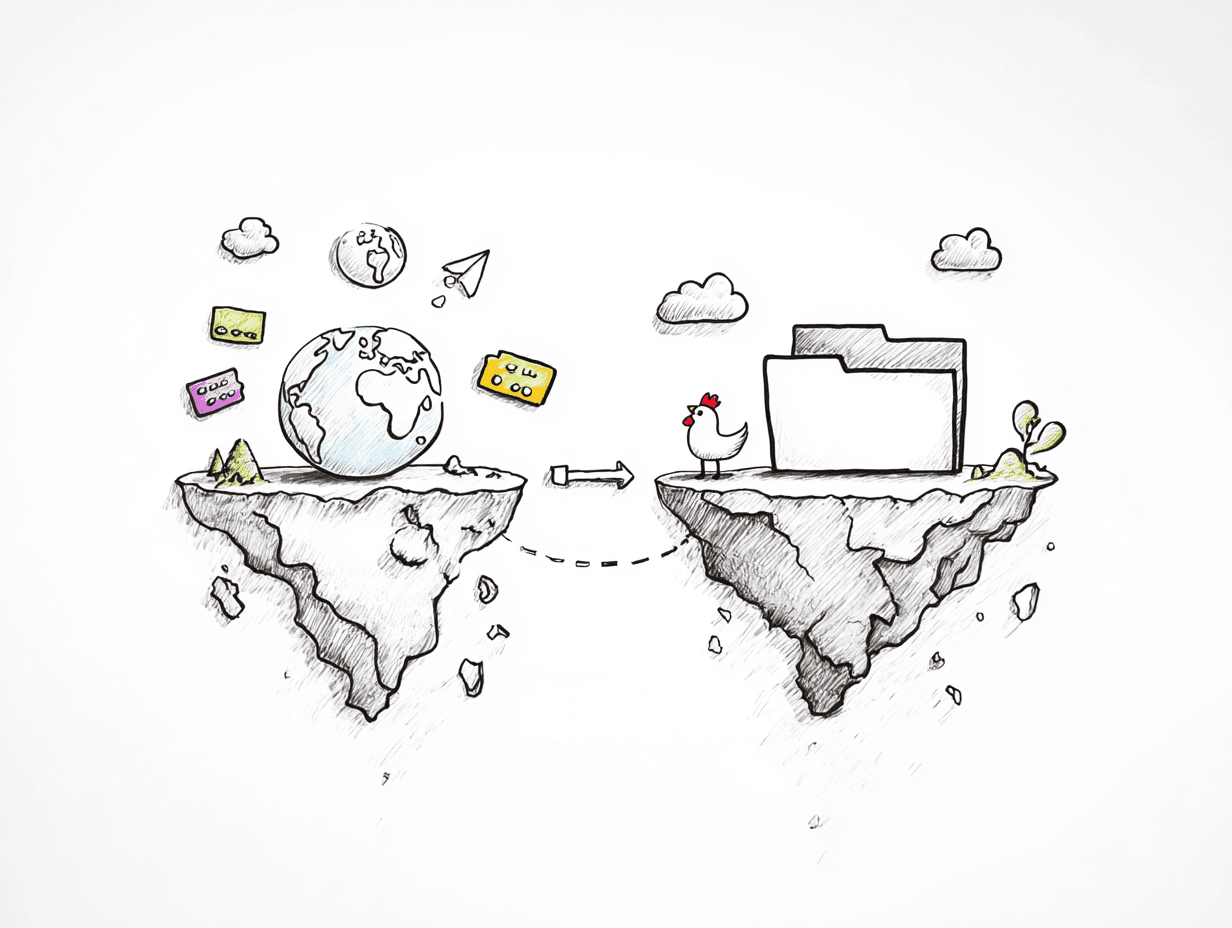
So, why doesn't your credit history follow you across borders? The answer lies in the fact that the US credit reporting system is largely siloed. Credit bureaus like Experian, Equifax, and TransUnion operate independently and don't automatically share information with credit bureaus in other countries.
Each country has its own credit reporting agencies and its own standards for assessing creditworthiness. There's no global database or centralized system that seamlessly transfers your credit information from one country to another. This separation is due to a mix of regulatory, technological, and competitive factors.
It means your diligent payment history, responsible borrowing, and years of building credit in your home country don't automatically give you a head start in the US. While this can be disheartening, understanding why it happens is the first step toward building a strong credit foundation in your new home.
The Reality Check
ImportantYour foreign credit score is invisible to most US lenders. You are essentially a 'credit ghost' until you start building a US profile.
Building Your US Credit Nest From Scratch
Accepting that you're starting from scratch is key. Now, the exciting part: building your credit profile here. Here's a brief refresher on what is needed to build your nest. Your credit profile, or "nest", is made up of the following key factors, as we've covered before in How is a Credit Score Calculated? The 5 Nesting Habits:
-
Payment History: Your track record of paying bills on time. This is the bedrock of your credit score.
-
Credit Utilization: The amount of credit you're using compared to your total available credit. Keeping this low is vital.
-
Credit Age: The length of time you've had credit accounts open. A longer history often translates to a better score.
-
Credit Mix: Having a variety of credit accounts, like credit cards and loans, can demonstrate responsible credit management.
-
New Credit: Applying for too much credit in a short period can negatively impact your score.
All of these factors work together to tell lenders how reliable you are as a borrower. The better you manage these elements, the stronger your credit nest will become.
Payment History
35% of Score
Utilization
30% of Score
Credit Age
15% of Score
Credit Mix
10% of Score
Secured Cards: Seedlings of Credit Success
Another excellent way to establish credit is with a secured credit card. As mentioned in Secured Credit Cards: The Easiest Way to Hatch Your Credit, these cards require you to put down a security deposit, which typically serves as your credit limit. This means the issuer is taking on less risk, making it easier to get approved, even with limited or no credit history.
Secured credit cards are like planting your own tree, nurturing it from a sapling into a strong, mature tree. It takes time, but the result is a sturdy foundation that belongs entirely to you.
-
How They Work: You provide a security deposit, which determines your credit limit. Use the card responsibly, making on-time payments, and keeping your credit utilization low.
-
Reporting to Credit Bureaus: Secured credit cards report your payment activity to the credit bureaus, just like unsecured cards.
-
Upgrading to Unsecured: After a period of responsible use, you may be able to upgrade to an unsecured credit card and get your security deposit back.
Credit Success Stories: Fresh Starts, New Scores
Let's look at a few examples of how this works in practice:
-
Nico, the Newcomer: Nico arrives in the US from Germany with a strong credit history, but finds that it doesn't transfer. He opens a secured credit card and becomes an authorized user on his sister's credit card. Within a few months, he has a solid credit score and is approved for an apartment.
-
Riley, the Rebuilder: Riley had some financial difficulties in the past, resulting in a damaged credit score. She moves to the US from Canada and wants to rebuild her credit. She gets a secured credit card and focuses on making on-time payments and keeping her credit utilization low. Over time, her credit score improves, and she's able to qualify for better interest rates on loans.
-
Time-Sensitive Situation: Maria needs a car loan to get to her new job. She's just moved from Mexico and has no US credit history. She becomes an authorized user on her friend's credit card and applies for a secured car loan. The combination of the tradeline and the secured loan helps her get approved quickly.
Month 1
Open bank account, apply for secured card
Month 2
Become an Authorized User
Month 6
First FICO score generated
Month 12
Apply for unsecured card
Your Credit Nest Blueprint: An Action Plan
Here's a simple plan to get you started:
-
Open a US Bank Account: This is your financial home base.
-
Get a Secured Credit Card: Start building your own credit history.
-
Become an Authorized User: If possible, leverage someone else's good credit.
-
Pay Bills on Time: Set up autopay to ensure you never miss a payment.
-
Keep Utilization Low: Aim to use less than 30% of your available credit.
-
Monitor Your Credit Report: Check for errors and track your progress.
Newcomer Credit Checklist
- Open US Bank Account
- Apply for Secured Credit Card
- Find a Tradeline Partner
- Set up Autopay
- Check Credit Report
Beyond the Basics: Credit Growth Longterm
Building credit in the US as a newcomer can feel like starting from scratch, but it's a manageable process with the right strategies. While exploring authorized-user tradelines can provide a quick gateway to credit visibility, remember that building long-term strength requires your own diligent efforts. Focus on secured cards, credit-builder loans, and rent reporting to create a durable financial foundation. These build durable habits, just like building the floor of your nest, and can be built upon with other tools later.
Nest Building in a New Land: You Can Do It
Just like the bird building its nest in a new land, you too can create a secure and comfortable financial home in the US. It takes time, effort, and a bit of patience, but with the right approach, you can build a credit history that opens doors to new opportunities and helps you achieve your dreams.
Frequently Asked Questions
1. Does my credit score from my home country matter in the US?
- Generally, no. US lenders use US credit bureaus (Experian, Equifax, TransUnion) which do not share data internationally.
2. Can I use my foreign credit card to build US credit?
- No. Foreign credit cards do not report to US credit bureaus. You need a US-based account.
3. Is there any way to transfer my credit history?
- Some specialized services (like Nova Credit) can help translate foreign credit history for certain lenders (like Amex), but it's not universal.
4. How long will it take to get a US credit score?
- It typically takes about 6 months of credit activity for a FICO score to be generated.
5. What is Amex Global Transfer?
- It's a program where American Express may use your history with them in another country to approve you for a US card.
6. Does my foreign debt follow me to the US?
- Generally, no. But if you plan to return home, you should still pay it. Also, global banks might see it internally.