Key Takeaways
- Do not admit to the debt or make promises on the first call; simply gather information.
- Request debt validation in writing immediately to ensure the debt is legitimate and yours.
- Know your rights under the Fair Debt Collection Practices Act (FDCPA) to protect yourself from harassment.
- Keep detailed records of all communications, including dates, times, and what was discussed.
- After validation, decide on your next steps: dispute the debt, negotiate a settlement, or seek credit counseling.
Your First Line of Defense: Don't Admit, Don't Promise
The Golden Rule: Don't Admit, Don't Promise, Just Listen
The most critical piece of advice when a debt collector first contacts you by phone is to resist the urge to admit ownership of the debt or make any payment promises. Collectors are often skilled at eliciting information or commitments, which can inadvertently reset the clock on older debts or obligate you to something you might not fully understand. Your conversation should be about gathering information, not providing it.
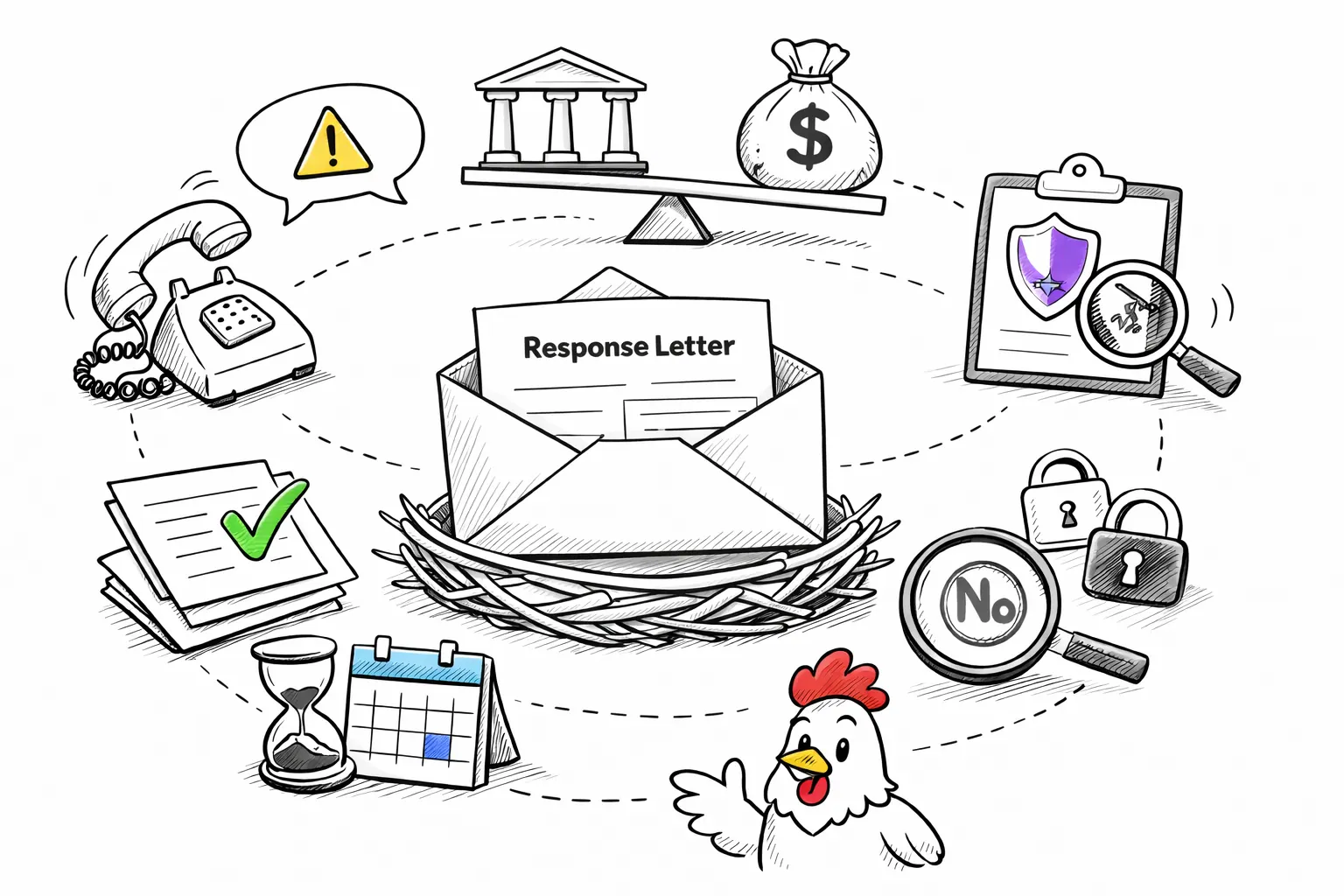
When the call ends, follow this sequence before taking any payment action:
Capture call details
Write down the collector name, company, phone number, and account reference.
Send validation request
Mail your debt validation request with certified tracking and keep the receipt.
Pause and verify
Review account age, ownership, and statute rules before discussing payment.
Choose a strategy
Dispute, negotiate, or seek counseling based on verified facts.
This keeps you from making rushed statements that can weaken your position.
The Cornerstone of Your Defense: Debt Validation
- The amount of the debt.
- The name of the original creditor.
- A statement that you have 30 days to dispute the debt.
- A statement that if you don't dispute it, the collector will assume it's valid.
- A statement that if you do dispute it, the collector will send verification.
It's crucial to send your request for validation in writing, preferably via certified mail with a return receipt requested. This creates a paper trail, proving that you made the request and when. Once you send this, the collector must stop collection efforts until they provide the requested information. This is your chance to pause, breathe, and gather your thoughts before making any decisions.
Written communication gives you verifiable facts, cleaner evidence, and better legal posture.
Shielding Your Nest: Understanding Your FDCPA Rights
Think of the FDCPA as the sturdy roof protecting your financial nest from severe storms. It's a federal law that dictates what debt collectors can and cannot do when trying to collect debts. Knowing these rights empowers you and helps you recognize illegal tactics. For instance, collectors cannot:
- Call you at unusual times (before 8 AM or after 9 PM, unless you agree).
- Harass you (e.g., repeatedly calling, using profane language).
- Make false statements (e.g., falsely claiming to be an attorney).
- Threaten you with arrest or violence.
- Discuss your debt with third parties (except your attorney or spouse).
- Contact you at work if they know your employer prohibits such calls.
- Set communication boundaries and request written follow-up
- Log every call date, time, and statement
- Report clear FDCPA violations to regulators
- Share extra personal details during first contact
- Accept threats as legal facts without verification
- Ignore repeated harassment or false claims
If a collector violates your FDCPA rights, you can report them to the Consumer Financial Protection Bureau (CFPB) or your state's Attorney General. Keeping detailed records of every interaction is key to proving any violations. Write down the date, time, collector's name, company, what was said, and any threats or inappropriate behavior. These records are your strongest evidence if you need to take action.
Spotting Old Debts: The Statute of Limitations
Use this timeline to avoid accidental resets:
Collector contact starts
Do not admit debt ownership. Gather details only.
Validation request sent
Send certified mail request and retain proof.
Debt age and ownership check
Confirm statute window and whether debt is truly yours.
Dispute, negotiate, or hold
Choose action based on verified legal and account facts.
Following a sequence like this reduces panic-based decisions and legal risk.
After Validation: Charting Your Course of Action
Once you've requested and received validation (or if they fail to provide it), you're in a much stronger position to decide your next steps. This is where your strategy truly takes flight. Let's look at a few scenarios:
-
Scenario 1: The Debt Is Not Yours or Is Inaccurate.
After reviewing the validation, you discover the debt belongs to someone with a similar name, the amount is wrong, or you've already paid it. Your course of action here is to dispute the debt. Send a written dispute, again, by certified mail, clearly stating why you believe the debt is incorrect and providing any supporting documentation (e.g., canceled checks, payment confirmations, identity theft reports). If the same issue appears on your file, follow a proper credit report error review so inaccurate collection data does not linger. -
Scenario 2: The Debt Is Yours, Valid, and Within the Statute of Limitations.
In this case, you acknowledge the debt is legitimate, and the collector can legally pursue it. You now have a few options:
- Pay in Full: If you have the means, paying the debt in full is the simplest way to resolve it. Always get a 'paid in full' letter in writing before making the final payment.
- Negotiate a Settlement: Debt collectors often buy debts for pennies on the dollar, meaning they might be willing to accept less than the full amount. This is where negotiating with creditors becomes a valuable skill. Offer a lump sum payment for a percentage of the total debt, but always get the agreement in writing before you pay a single cent. The agreement should state that the payment will satisfy the debt in full and how it will be reported to credit bureaus.
- Set Up a Payment Plan: If a lump sum isn't feasible, you can try to negotiate a manageable payment plan. Again, get all terms in writing.
-
Scenario 3: You're Overwhelmed and Need Help.
It's perfectly okay to admit when you need a stronger branch to lean on. If you have multiple debts, feel overwhelmed, or are unsure how to proceed, consider reaching out to a non-profit credit counseling agency. Organizations like the National Foundation for Credit Counseling (NFCC) can help you create a budget, explore debt management plans, and offer unbiased advice.
Here is a quick decision framework once validation is complete:
What does your validation result show?
Debt is inaccurate
Ownership, amount, or account details do not match your records.
Debt is valid and active
The account is yours and within legal collection timelines.
Debt is unclear or overwhelming
You are unsure about legal timing or best response.
This structure helps you act from evidence instead of pressure.
Beyond Debt: Proactive Nest Building and Credit Growth
Build your post-collection recovery plan around these core habits:
On-Time Payments
Automate minimum payments so no new delinquencies appear.
Utilization Control
Keep revolving balances low relative to total limits.
Monthly Report Review
Check all three bureaus for status updates and errors.
Documentation Discipline
Store letters, disputes, and payment confirmations by account.
These habits can help convert short-term crisis handling into long-term score momentum.
Fortifying Your Financial Nest: Final Thoughts
Remember, dealing with debt collectors isn't a race; it's a careful, strategic process. You have rights, and you have options. Do not let fear or pressure lead you to make hasty decisions that could harm your financial nest further. Instead, take a calm, methodical approach: validate, document, know your rights, and then choose the best path forward for you.
Ready to ensure your financial nest is as strong and secure as possible? Beyond handling debt collectors, understanding how to proactively build and maintain excellent credit is crucial. Explore how authorized user tradelines may offer faster credit visibility for some profiles, and discover other durable builders like secured credit cards and credit-builder loans to fortify your financial future.
Disclosure
Some lenders and credit scoring models may filter out, discount, or weigh authorized user tradelines differently in their underwriting decisions. Results vary based on lender policies, the specific scoring model used, and your unique credit profile. An AU tradeline does not guarantee loan approval or any specific credit score outcome.
Debt collection and statute-of-limitations rules vary by state and debt type. This guide is educational and not legal advice. If you receive court papers, respond immediately and consider legal counsel.
Use the checklist below as your practical operating routine when new collection calls arrive.
Action Items
Frequently Asked Questions
1. What should I do immediately when a debt collector calls?
- Your immediate response should be to stay calm, avoid admitting to the debt or making any promises. State that you require debt validation in writing and provide your mailing address. Do not offer any personal information beyond what they already have.
2. What is debt validation and why is it important?
- Debt validation is your legal right to demand a debt collector prove that you owe the debt they claim. This involves sending a written request, preferably by certified mail, within 30 days of initial contact. It's crucial because it forces the collector to provide proof (like the original creditor and amount), which helps you confirm the debt's legitimacy before taking further action.
3. What are my rights under the Fair Debt Collection Practices Act (FDCPA)?
- The FDCPA protects consumers from abusive debt collection practices. It prohibits collectors from harassing you, making false statements, threatening you, discussing your debt with third parties, or calling you at unreasonable times. You have the right to demand they cease communication or provide accurate information.
4. Should I make a payment on an old debt if a collector calls?
- Not until you've validated the debt and understand the Statute of Limitations on Debt in your state. Making a payment on an old, time-barred debt can, in some states, reset the statute of limitations, opening you up to being sued for the debt again. Always validate and consult your state's laws first.
5. What if the debt collector fails to provide validation?
- If a debt collector fails to provide written validation after you've properly requested it, they are legally required to cease collection activities. If they continue, you can report them to the Consumer Financial Protection Bureau (CFPB) or your state's Attorney General, then document the issue and follow a formal credit report dispute process if inaccurate reporting appears.
6. How can I negotiate a settlement with a debt collector?
- Once the debt is validated and you confirm it's yours, you can attempt to negotiate a settlement for less than the full amount. Always offer a lump sum payment if possible, and crucially, get all terms of the agreement in writing before making any payment. This written agreement should state that the payment fully satisfies the debt.
7. What records should I keep when dealing with debt collectors?
- Keep a detailed log of all communications, including dates, times, the collector's name, company, phone number, and a summary of what was discussed. Also, retain copies of all correspondence you send (especially certified mail receipts) and receive, along with any proof of payment or dispute documentation.
Receiving a debt collector's phone call can feel like a harsh gust of wind threatening your financial nest, but with the right knowledge and a calm approach, you can turn a moment of vulnerability into an opportunity for empowerment. By standing firm on your rights, demanding validation, and making informed decisions, you're not just reacting; you're actively constructing a stronger, more resilient foundation for your future. Keep your records, know your options, and remember that every step you take to protect your nest makes it more robust for whatever financial winds may come.