Key Takeaways
- The bank or issuer behind a tradeline dictates if and how reliably an AU account will appear on your credit report.
- Some major banks consistently report AU data, while others may not or might remove it quickly.
- Vetting the issuer's reporting history is crucial to avoid "non-posting tradelines" and wasted investment.
- A strong tradeline is a sturdy branch, but its roots (the bank) must be reliable for it to support your nest.
- Always ask your tradeline provider about their experience with specific banks and their reporting consistency.
- Combine tradelines (your fast gateway) with durable, long-term credit builders for sustainable growth.
Why the Issuer Matters More Than You Think: The Roots of Your Branch
Reporting Consistency
The reliability with which a financial institution submits account data to credit bureaus every month without gaps or errors.
Provider Adds User
You are added to the card as an authorized user.
Bank Batching
Issuer compiles monthly data from all accounts.
Bureau Submission
Data sent to Equifax, Experian, and TransUnion.
Credit File Update
The tradeline appears on your personal credit report.
This inconsistency can be incredibly frustrating. You’ve invested time and money, expecting to see a positive account reflected on your credit report, only for it to be a no-show. This isn't necessarily about malice, but often about internal bank systems, legacy technology, or specific risk management policies that deprioritize or even suppress AU data for various reasons. For instance, some banks may report the primary cardholder's history meticulously but fail to include authorized users in their regular data feeds to the bureaus. This means your carefully selected 'branch' might not even make it to your nest. That's why issuer reputation and a proven track record of reporting AU accounts reliably are invaluable.
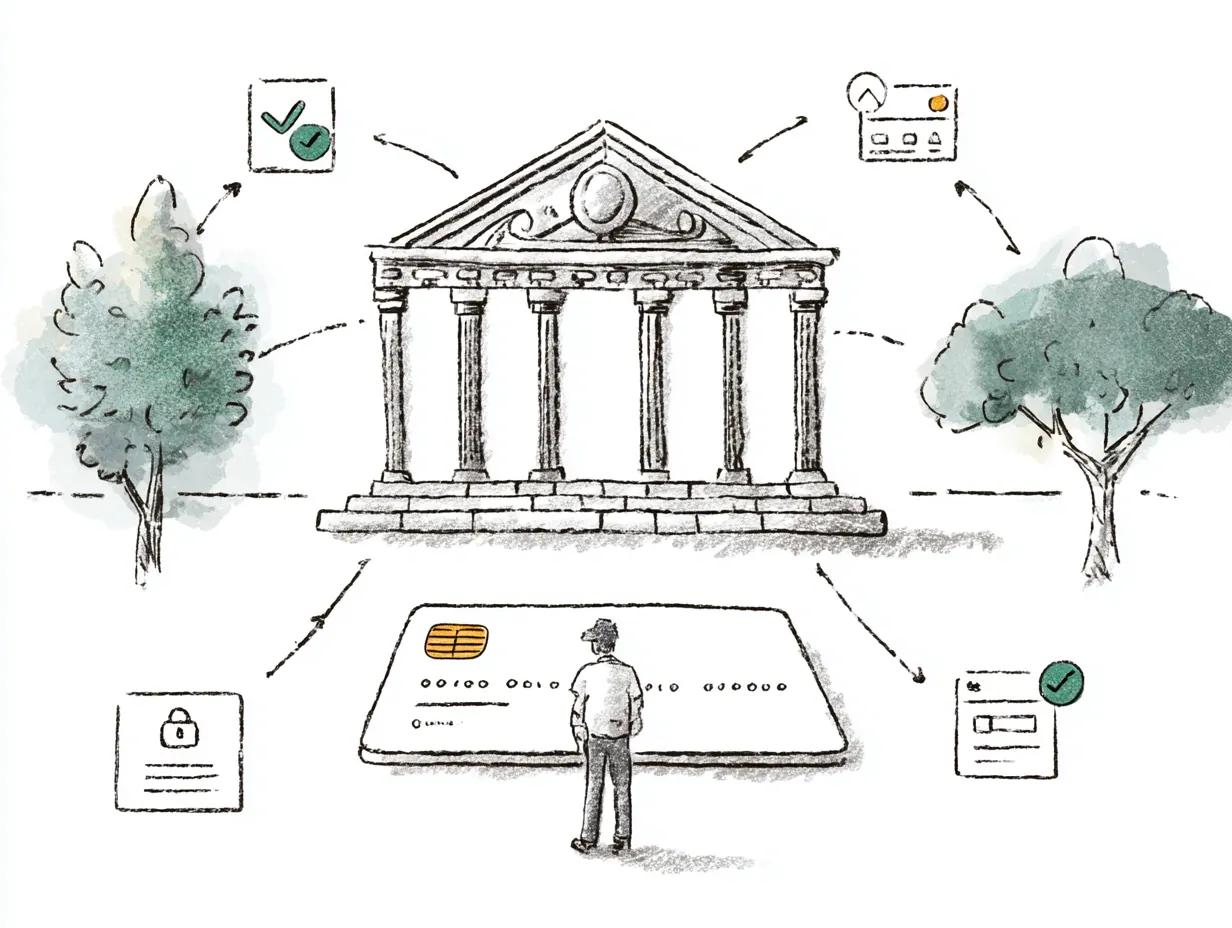
Not All Banks Are Created Equal: Strong vs. Weak Branches Under the Nest
In the vast forest of finance, not all trees are built the same, and neither are all banks when it comes to reporting authorized users. There's a tangible difference between "strong" branches, stemming from banks with solid, predictable AU reporting, and "weak" ones, which might come from issuers with a questionable track record. You might find that major national banks, with their sophisticated reporting infrastructures, tend to be more consistent. However, this isn't a universal rule. Some smaller credit unions or regional banks can also be excellent, while others, regardless of size, might be less reliable.
Varies by Bank
The Pitfall: Issuers That May Not Report AU Reliably
The most significant risk when selecting a tradeline is encountering an issuer that simply doesn't report authorized user accounts, or does so inconsistently. This isn't just about delay; it's about a complete failure to impact your credit profile. Why would a bank do this? Reasons vary:
- Policy Changes: Banks can change their reporting policies at any time. What was once a reliable reporting bank might suddenly cease to report AUs, or may even retroactively remove them.
- System Limitations: Older banking systems might not be designed to easily parse and report AU data separately from primary cardholder data.
- Fraud Concerns: Some institutions, in an effort to combat potential fraud, may default to a more restrictive reporting policy regarding authorized users.
- Underwriting Preferences: Lenders often view AU accounts differently, and some banks might align their reporting with how they prefer their own cards to be evaluated.
"Any major national bank will always report authorized users perfectly."
Even major banks change policies and have reporting 'dead zones' for certain card types.
Why It Matters
Institutional size doesn't guarantee a specific reporting outcome. Internal system updates or risk policy shifts can affect reporting overnight.
Disclosure
Some lenders and credit scoring models may filter out, discount, or weigh authorized user tradelines differently in their underwriting decisions. Results vary based on lender policies, the specific scoring model used, and your unique credit profile. An AU tradeline does not guarantee loan approval or any specific credit score outcome.
What to Look For: Red Flags and Green Lights
When evaluating the bank behind a potential tradeline, you're essentially looking for reliability and a track record. Here's a quick guide to distinguishing between red flags and green lights:
Green Lights (Sturdy Roots):
- Established Reporting History: Banks known to have consistently reported AU accounts for many years. Ask your tradeline provider for this insight.
- Major National Institutions (Often, But Not Always): While not foolproof, larger banks generally have more standardized and reliable reporting processes. However, even within large banks, policies can vary.
- Clear AU Reporting Policies: If a bank openly states its policy on reporting AUs, that transparency is a good sign.
Red Flags (Shallow Roots):
- Known AU Reporting Issues: Banks that have a reputation for being inconsistent, slow, or outright not reporting AUs.
- Rapid Policy Changes: Institutions that frequently alter their AU reporting policies can be unpredictable.
- Obscure or Brand-New Issuers: Without a solid track record, it's harder to gauge their reliability in reporting AU accounts.
- Lack of Transparency: If a tradeline provider can't confidently speak to the reporting history of a particular bank, it might be a warning sign.
Remember, the goal is to choose a branch whose roots are firmly planted in a reliable system. This due diligence saves you from potential disappointment and ensures your credit-building efforts are effective.
Vetting Your Issuer
- Choose banks with a known history of AU reporting
- Ask your provider about specific issuer reliability
- Verify the tradeline posts to at least 2 bureaus
- Assume all major banks report consistently
- Rely on obscure or regional banks without vetting
- Ignore the risk of non-posting tradelines
Stories from the Forest: Learning from Experience
Beyond Nico's initial misstep, others have navigated this landscape with different outcomes.
- Riley the Rebuilder's Triumph: Riley had experienced past credit challenges and was meticulously rebuilding her credit profile. She understood that Do Tradelines Still Work? depended not just on the tradeline itself, but on its proper integration into her file. When selecting her tradeline, she didn't just look at the impressive age and credit limit of the available options. She specifically inquired about the issuing bank. Her tradeline company recommended a card from a national bank known for its consistent and timely AU reporting. Riley took the plunge, and within a few reporting cycles, the tradeline appeared on her report, adding to her overall credit age and available credit. How a lender weighs that when she next applies is up to the lender, and results vary. Riley's takeaway was the value of focusing on the issuer's reporting reliability.
- Time-Sensitive Tracy's Lesson: Tracy was in a hurry. She needed to establish herself in a thin credit file before applying for a new apartment lease in a competitive market. She understood that a tradeline could be one option. In her haste, she almost chose a seemingly attractive tradeline from a bank that offered a slightly lower price. However, a quick conversation with her tradeline provider revealed that this particular bank had a history of taking up to two full reporting cycles (sometimes 60-90 days) to post AU accounts, if they even stuck. The provider then guided her to a slightly more expensive option from a bank known for more reliable AU reporting, often within 15-30 days. Tracy, prioritizing timing and consistency, went with the more reliable option. The tradeline reported in time for her housing search. She learned that for time-sensitive needs, the speed and reliability of the issuing bank's reporting were as crucial as the tradeline's inherent qualities.
These scenarios illustrate that the bank isn't just a passive entity; it's an active player in your credit journey. Your best defense is a well-informed offense, asking the right questions and partnering with a tradeline provider who possesses deep knowledge of issuer behavior.
Choosing Your Path
The Rebuilder
Needs deep history and high limits for maximum impact.
The Deadline-Driven
Applying for a loan or apartment within 30 days.
Beyond the Bank: Other Tradeline Considerations
Your Sturdy Nest: Building with Confidence
By carefully considering the bank behind your tradeline, you’re not just exploring a potential credit improvement; you’re making an informed decision that lays a more secure foundation for your entire financial future. Choose wisely, build diligently, and watch your credit nest grow strong.
Frequently Asked Questions
1. Why is the bank behind a tradeline important?
- The issuing bank's policies and reporting consistency determine if and how reliably an authorized user (AU) tradeline will appear on your credit report. Some banks are known for consistent AU reporting, while others may not report AUs at all or remove them quickly, making your tradeline ineffective.
2. Do all banks report authorized users reliably?
- No, not all banks report authorized users reliably. Policies vary significantly between financial institutions. Some major national banks generally have robust systems for consistent reporting, but even within these, policies can change. Smaller or more obscure institutions may have less consistent reporting practices or specific policies that prevent reliable AU data submission.
3. What are the risks of choosing a tradeline from an unreliable bank?
- The primary risk is a 'non-posting tradeline,' meaning the AU account may never appear on your credit report, or it might be removed quickly after posting. This results in wasted investment and delays your credit-building goals, as you won't receive the reporting benefit you expected.
4. What should I look for in a bank when selecting a tradeline?
- Look for banks with a well-established history of consistently reporting authorized user accounts. Transparency in their AU reporting policies is a good sign. It's crucial to consult with your tradeline provider, as they often have direct experience and insights into which banks are most reliable for AU reporting.
5. Can a tradeline from a reliable bank claim a credit score increase?
- No, while a tradeline from a reliable bank can strengthen parts of your credit profile, no specific score outcome or guarantee can be made. Credit outcomes vary based on your overall credit history, other active accounts, and the specific credit scoring models used by lenders. Tradelines are best seen as one possible route to credit visibility, to be combined with your own long-term credit-building habits.
6. How can I ensure my tradeline posts reliably?
- The best way to increase reliability is to choose a tradeline from an issuer with a proven track record of consistent AU reporting. Always work with a reputable tradeline provider who can offer insights into the reporting practices of various banks and guarantee their tradelines will post as expected.