Key Takeaways
- Tradeline marketplaces function as platforms where primary cardholders offer authorized user (AU) slots on their established credit cards for a fee.
- Key listing details include the tradeline's age, credit limit, and utilization rate, which directly influence its price and potential impact.
- Exercising due diligence, asking critical questions, and verifying provider transparency are essential to mitigate risks like non-posting tradelines.
- While tradelines can offer a fast gateway to credit visibility, they are best paired with long-term, self-owned credit-building habits.
- The marketplace offers a range of options, making it crucial to select a tradeline that aligns with your specific credit goals and current financial situation.
Navigating the Digital Bazaar: Understanding the Tradeline Marketplace
When discussing “tradelines for sale,” understanding the exchange is key. You’re not buying a credit card or taking over debt. Instead, you're paying a fee to be added as an authorized user to an existing, well-managed credit card account for a specified period, typically one or two reporting cycles. This allows the positive payment history, age, and credit limit of that account to temporarily reflect on your credit report.
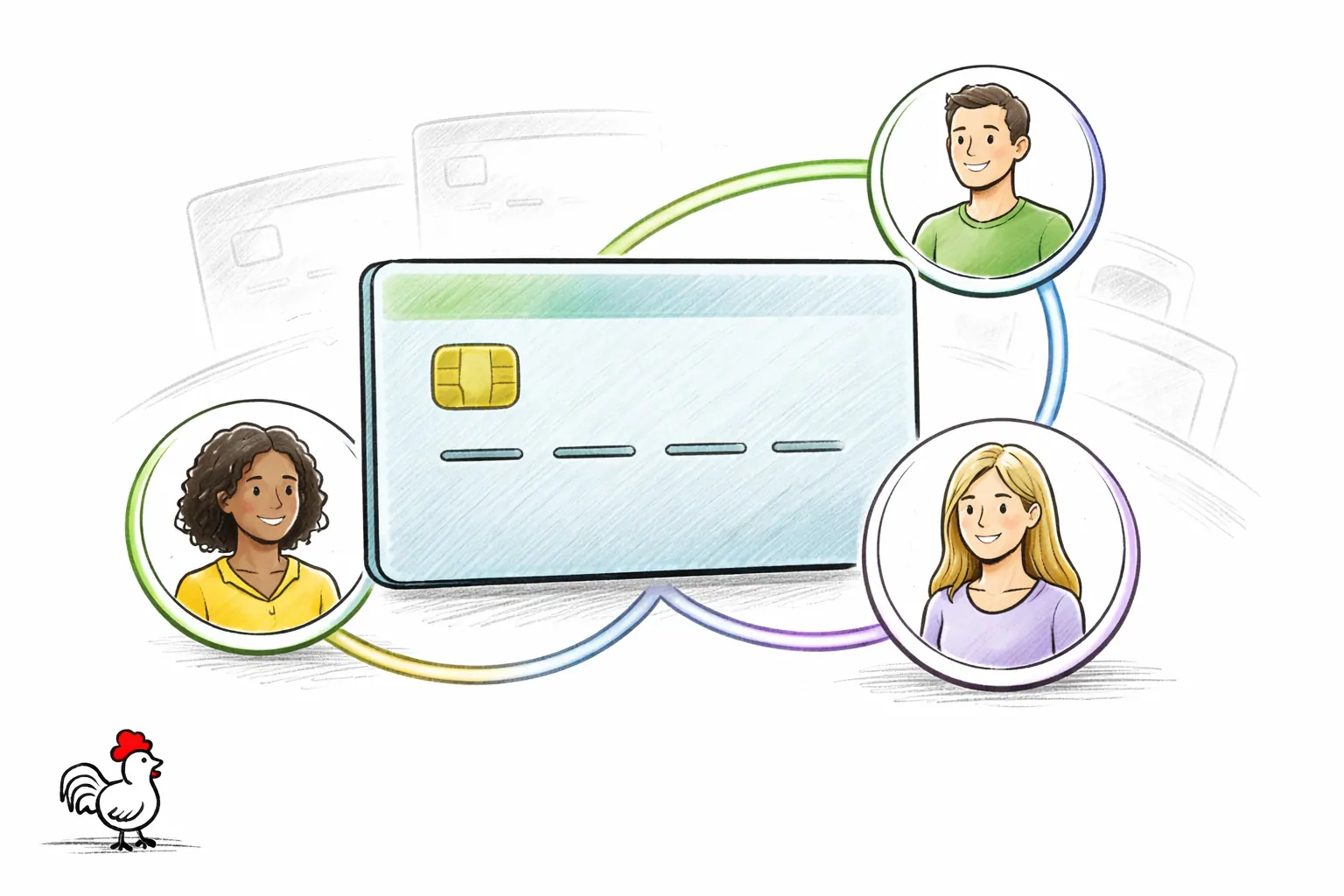
Think of the marketplace as a farmers' market for credit. Various vendors, often tradeline brokers, display their listings. These are the available credit lines: their age, credit limit, and current utilization. Each listing represents an opportunity for you to select a 'branch' that best suits your goals. The marketplace offers transparency, allowing you to compare options based on these critical metrics to ensure an informed choice.
Listing Your Branch: How Tradelines Appear in the Marketplace
Just as a bird inspects twigs before selecting them, a tradeline marketplace provides key details about each account. Providers list tradelines with specific attributes that directly impact their potential effectiveness and price. These are the essential details to scrutinize:
Age
Older history (5+ yrs) adds stability.
Limit
Higher limits ($10k+) lower utilization.
Utilization
Must be under 10% to be effective.
Bank
Reputability and posting speed matter.
- Account Age: Older accounts are generally more valuable because a longer credit history is a significant factor in credit scoring models. A seasoned branch offers more historical stability.
- Credit Limit: A higher credit limit often means more available credit, which can help improve your credit utilization ratio if your own accounts have high balances.
- Utilization Rate: This is critical. A low utilization rate (the amount of credit used compared to the total available credit) is a hallmark of a healthy tradeline. You want a line where the primary user consistently keeps their balance well below their limit, ideally under 10%.
- Bank/Lender: While less critical than the other three, some lenders report to credit bureaus more reliably or quickly than others. Understanding the bank behind the tradeline can offer an extra layer of confidence. You can delve deeper into what to consider with different financial institutions in our guide on Bank Behind the Tradeline: What to Consider.
Scouting for a Sturdy Perch: How to Choose a Tradeline from the Market
With a marketplace full of options, choosing the right tradeline is like selecting the most resilient branch for your nest. It requires careful consideration. Your goal isn't just any tradeline; it's the right tradeline for your unique situation.
First, assess your current credit profile. Are you a newcomer, trying to establish any credit history at all? Or are you a rebuilder, trying to offset past negative marks? Your needs will dictate what kind of tradeline offers the most impact. For instance, a very old tradeline might be excellent for someone with a thin file, quickly adding depth to their history.
- Verify the refund policy before buying
- Choose a line with under 10% utilization
- Ask about the bank's posting reliability
- Provide personal details to unverified sellers
- Use a CPN instead of your SSN/ITIN
- Expect a claimed score number
From Selection to Nesting: The Purchase and Posting Process
Once you've scouted the perfect tradeline from the bustling marketplace, the actual process of 'acquiring' it and getting it to report to your credit file is straightforward, though it does involve a waiting period. Here's how it generally unfolds:
Selection
Choose based on age, limit, and utilization.
Purchase
Provide ID details securely.
AU Addition
Provider adds you to the card.
Reporting
Wait for the statement cycle.
Verification
Confirm it appears on your report.
- Selection and Purchase: After comparing options and settling on a suitable tradeline, you'll complete the purchase through the marketplace or directly with the provider. You'll provide necessary identification, typically your name, address, date of birth, and Social Security Number (SSN) or Individual Taxpayer Identification Number (ITIN), which the primary cardholder needs to add you as an authorized user. Remember, never provide your details to companies that deal with illegal Credit Profile Numbers (CPNs): Why We Don't Work with Them.
- Being Added as an AU: The primary cardholder, or the tradeline provider on their behalf, then contacts their bank to add you as an authorized user. No new hard inquiry is made on your credit. This process usually takes a few business days.
- The Reporting Cycle: Credit card companies typically report account activity to the credit bureaus (Experian, Equifax, TransUnion) once a month, usually shortly after the statement closing date. You'll need to be added before this date for the tradeline to appear on your report in the next cycle. You can learn more about this timing in How Authorized User Tradelines Work: A Beginner's Guide.
- Verification: After the reporting cycle, you'll monitor your credit reports to confirm the tradeline has successfully posted. This is a critical step. While reputable providers offer guarantees, issues can sometimes arise. Our article Non-Posting Tradelines? And How to Avoid Them offers crucial advice on navigating these situations.
This entire cycle, from purchase to seeing the tradeline on your report, can take anywhere from 2-4 weeks, depending on the bank's reporting schedule and the processing speed of the credit bureaus. It's not an quickly miracle, but it's often the early path to establishing visible credit history.
Your Questions About the Tradeline Marketplace, Answered
Here are some common questions prospective buyers have when exploring the tradeline marketplace:
1. Is buying tradelines legal?
"Buying tradelines is illegal."
Being an authorized user is 100% legal.
Why It Matters
Banks and the FICO scoring model recognize authorized user benefits. While banks may frown upon the selling aspect, adding a user is a standard feature of credit cards protected by the ECOA.
2. Are all tradeline marketplaces trustworthy?
- No. Just like any bazaar, there are reputable vendors and those less scrupulous. It is paramount to do your due diligence, read reviews, check for clear refund policies, and ask direct questions as outlined in What You Should Ask Your Tradeline Company. A trustworthy marketplace will be transparent about its process, pricing, and potential risks.
3. How quickly do tradelines typically post to my credit report?
- Once you're added as an authorized user, it typically takes one to two billing cycles for the tradeline to appear on your credit report. This usually translates to about 2-4 weeks from the date of purchase, depending on when the bank reports to the bureaus relative to your purchase date.
4. What if a tradeline I purchase doesn't post?
- Reputable tradeline providers offer a guarantee that the tradeline will post to at least two, if not all three, major credit bureaus. If it doesn't, they should offer a full refund or a replacement tradeline. Always confirm this refund policy before making a purchase. Our article Non-Posting Tradelines? And How to Avoid Them offers vital insights into mitigating this risk.
5. What's the typical cost of a tradeline?
- The cost varies widely based on the tradeline's age, credit limit, and utilization rate. Older, higher-limit, lower-utilization tradelines will be more expensive. Prices can range from a few hundred dollars to over a thousand. For a deeper dive into pricing, consult The Cost of a Tradeline: Understanding the Price and Value.
6. How long do tradelines stay on my credit report?
- Tradelines typically remain on your report for one to two reporting cycles after you are removed as an authorized user. This temporary boost is why we emphasize pairing tradelines with durable credit-building strategies.
7. Can a tradeline claim a specific credit score increase?
- No. While tradelines can help improve your score, no company can guarantee a specific increase. The impact varies greatly depending on your individual credit profile, the quality of the tradeline, and the specific credit scoring model used (e.g., FICO vs. VantageScore). We explore this further in What Is the Average Boost in Credit Score From Tradelines?.
Building Beyond the Bazaar: Your Credit Journey Continues
The tradeline marketplace offers a powerful, fast gateway to improve your credit visibility. For many, it's the quickest way to get a strong initial 'branch' for their credit nest, especially for those with thin files or needing to quickly offset high utilization. However, remember that authorized user tradelines are a gateway, not the final destination.
Disclosure
Some lenders and credit scoring models may filter out, discount, or weigh authorized user tradelines differently in their underwriting decisions. Results vary based on lender policies, the specific scoring model used, and your unique credit profile. An AU tradeline does not guarantee loan approval or any specific credit score outcome.
Ready to find the right tradeline to kickstart your credit journey? It’s time to explore the options with confidence and clarity. Explore authorized-user tradelines (an early path) and then commit to the long-term work of building your own financial fortitude. By combining the speed of tradelines with the durability of your own responsible habits, you can build a credit nest strong enough to weather any financial season.
Just as a skilled bird knows a robust nest isn't built from a single borrowed branch, but from many self-gathered twigs, your credit profile reaches its full potential when you combine strategic gateways like tradelines with responsible financial habits. The tradeline marketplace offers a quick, effective start. Use it wisely, learn from its offerings, and build your own lasting credit legacy.