Key Takeaways
- Prioritize tradelines with low utilization (under 10%) when comparing options.
- Favor accounts with real age (2+ years, ideally 5+) to add length to a thin file.
- Require a flawless payment history with no late marks before you commit.
- Weigh the credit limit and the issuer's reporting habits, not just the price.
- Match the tradeline's metrics to your specific profile and goals.
- Treat unclear pricing, vague posting terms, and score promises as red flags.
What Makes a Tradeline Worth Buying? The Evaluation Checklist
Tradeline
A tradeline is an entry on a credit report that describes a credit account, including the account type, opening date, credit limit, current balance, and payment history. When you become an authorized user, a tradeline from the primary account holder appears on your credit report.
Low Utilization
Under 10% is the strongest signal
Account Age
5+ years adds meaningful history
Perfect History
100% on-time payments required
High Limit
$5,000+ limits show more capacity
1. Low Utilization Comes First (Under 10% Is Ideal, Under 30% a Floor)
The single most telling metric when comparing tradelines
2. Age Matters: Older Accounts Carry More Weight
Length of credit history is a real scoring factor, and an older authorized-user account can add to the average age of accounts on a thin or young file. A tradeline that is at least two years old is generally useful, but accounts five years or older offer far more substance. When comparing options, treat age as a premium feature worth paying for, especially if your own file is short.
3. Flawless Payment History: No Late Marks, Ever
Comparing Options: Credit Limits, Issuers, and Fit
Beyond the core three criteria, a few elements separate a good option from a great one when you have several to weigh.
4. Credit Limit: More Capacity, More Value
A higher credit limit paired with low utilization is a strong combination. A $10,000 card at 5% utilization presents more available capacity than a $1,000 card at the same 5%, even though the percentage is identical. When two tradelines share a similar age and price, the higher limit is usually the better value. Aim for limits of $5,000 or more where the budget allows.
5. The Issuer Behind the Tradeline: Reporting Habits Vary
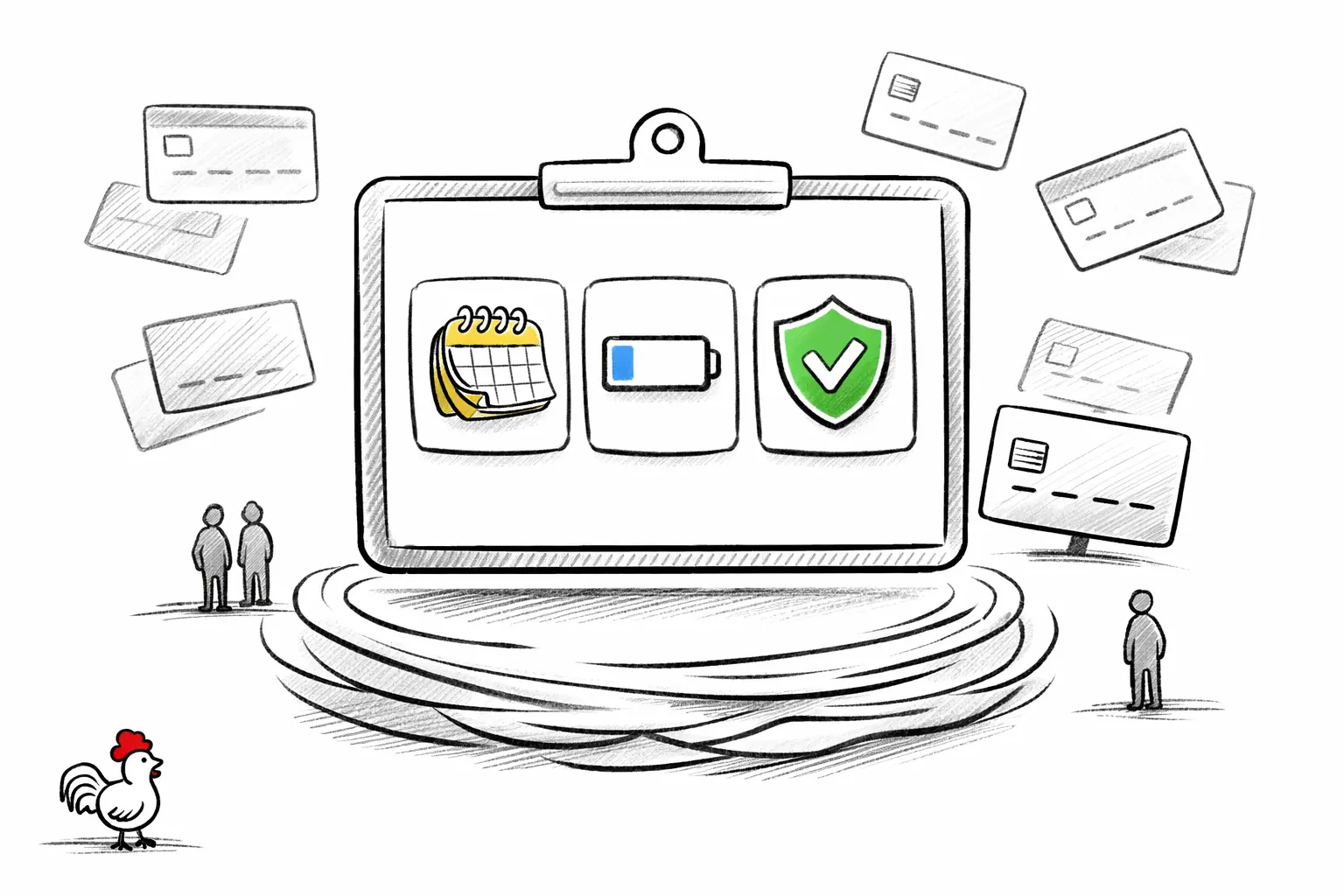
6. Matching the Tradeline to Your Goals
Your goals should drive the comparison. A newcomer establishing any history at all has different priorities than a rebuilder offsetting old marks.
- For Newcomers: With a thin file, a single well-aged tradeline with a low balance can provide an early foundation. Age and a clean record matter most here.
- For Rebuilders: With some negative marks on file, a tradeline can add positive, established history alongside the old data. One or two carefully chosen lines may shift the overall picture more than a handful of cheap ones.
A Side-by-Side Selection Process
Knowing what to look for is half the work. The other half is applying it in order so you do not overpay for the wrong metric.
Assess Profile
Identify your biggest credit gap.
Shortlist
Filter by age, limit, utilization.
Compare
Weigh value against price.
Verify Terms
Confirm posting and refund policy.
Step 1: Diagnose Your Biggest Gap First
Step 2: Filter Out Untrustworthy Providers
Step 3: Compare Available Options on the Metrics
While these criteria define a strong option, some lines are simply not worth considering. Use this comparison to stay on the safe side:
- Prioritize utilization under 10%
- Look for 5+ years of history
- Require 100% on-time payments
- Compare value against the price
- Accept utilization over 30%
- Choose accounts under 2 years old
- Ignore the issuer reputation
- Skip the written posting terms
Step 4: Weigh Cost Against Value
Tradelines are a purchase, and the most expensive option is not automatically the best one for you. A line with excellent metrics may cost more upfront, but if it closes a gap that matters for your goal, the value can justify the price. Conversely, a cheap, low-quality line with high utilization or short age may add little. Compare the metrics you actually need against what each option charges, not the headline price alone.
Step 5: Confirm Posting Terms Before You Pay
Before finalizing a choice, confirm the provider's written posting terms and estimated timeframe. Reputable providers state that a line typically posts to at least two of the three major bureaus (Experian, Equifax, TransUnion) within a window, often 30 to 45 days, while making clear that timing is not guaranteed. Understand what happens if it does not post, and confirm the refund policy. This protects the money you are spending and sets realistic expectations.
Red Flags and Realistic Expectations
- No Magic Bullet: A tradeline will not quickly hand you an 800 score or undo deep credit problems. It can add visibility, but it is one branch, not the whole nest. For what a tradeline can and cannot do, see 'Five Common Misconceptions About Authorized User Tradelines.'
- Temporary by Nature: The effect typically lasts only while you remain an authorized user. Once removed, its influence fades, which is why pairing it with durable habits matters.
- Lender Discretion: Different lenders use different models and weigh authorized-user accounts differently. Approval for any new credit is ultimately the lender's call.
Disclosure
Some lenders and credit scoring models may filter out, discount, or weigh authorized user tradelines differently in their underwriting decisions. Results vary based on lender policies, the specific scoring model used, and your unique credit profile. An AU tradeline does not guarantee loan approval or any specific credit score outcome.
Three Buyers, Three Different Choices
The same listing is not the right pick for everyone. These scenarios show how the goal changes the evaluation:
Which Tradeline Strategy Fits You?
Newcomer Nico
Recent immigrant, no credit history, needs apartment and phone.
Rebuilder Riley
Has recent late payments, stuck in the low 600s.
Mortgage Tina
Pre-approved but wants a better rate, high utilization.
In each case, the goal dictated which metric to prioritize. Choosing well is a strategic decision, not a grab for the cheapest line.
After You Choose: Building Your Own File
A well-chosen authorized-user tradeline can offer early visibility, but durable credit comes from accounts in your own name. Once you have made your selection and the line posts, turn to:
- Opening your own accounts: Secured credit cards are strong starting points, as are credit-builder loans.
- Paying on time, every time: Consistent on-time payments build your own positive history.
- Keeping your own utilization low: Responsible use compounds over time.
- Considering alternative data: Rent reporting can strengthen a file with payments you already make.
Choosing a tradeline is a buyer's decision built on metrics, not marketing. Weigh age, utilization, payment history, limit, issuer, and price against your specific goal, and the right option becomes clear. Choose deliberately, and the money you spend works for the file you are trying to build.
Frequently Asked Questions
1. What is the most important factor when choosing a tradeline?
- Low credit utilization, ideally under 10% and never above 30%, is the most telling metric. When comparing two similar options, the one with lower utilization is the stronger pick.
2. How does the age of a tradeline factor into my choice?
- Older accounts add more length to your credit history, especially on a thin file. Treat age (2+ years, ideally 5+) as a premium feature worth paying for when you compare options.
3. Should I ever choose a tradeline with late payments to save money?
- No. As an authorized user you can inherit the account's history, including negative marks. A cheaper line with a late payment is a liability, not a bargain.
4. Is a higher credit limit always the better choice?
- A higher limit usually offers more value when paired with low utilization, since it presents more available capacity. When age and price are similar, favor the larger limit.
5. How do I compare cost against value?
- Match the metrics you actually need to your goal, then weigh each option's price against how well it closes that specific gap. The most expensive line is not automatically the best for you.
6. What red flags should make me walk away from a provider?
- Unclear pricing, vague or missing posting terms, no refund policy, and any promise of a specific score outcome are reasons to look elsewhere.