Key Takeaways
- Tradelines offer an immediate lift, but their primary value is as a gateway to obtaining your own credit.
- The initial credit score improvement from a tradeline tends to fade as your own credit history matures.
- For lasting credit strength, you must actively build primary accounts like secured/unsecured credit cards, credit-builder loans, and rent reporting.
- Lenders often prefer to see a robust history of credit accounts opened and managed by you over time.
- Strategic use involves leveraging the tradeline boost to access new credit products, then diligently managing them for long-term growth.
The Powerful Initial Lift and Its Diminishing Returns
"Tradelines are a permanent fix for bad credit."
Tradelines provide a temporary boost to help you get started.
The Reality
Think of a tradeline as a jump start. It provides immediate lift, but without adding your own primary accounts, that boost will fade over time as the tradeline's impact stabilizes.
It is vital to understand that this powerful initial lift often experiences what we call 'diminishing returns.' Think of that early sunshine: it warms your nest beautifully, but eventually, the day progresses, and the direct, intense rays begin to fade. The tradeline's impact, while positive, eventually stabilizes. Your credit profile needs more than just a borrowed branch; it needs the strong, self-built foundation of your own credit journey. This isn't to say tradelines aren't effective, they are profoundly so as a strategic first step. The key is knowing what comes next and how to capitalize on that initial momentum.
Why the Tradeline's Shine Fades Over Time
So, why does the initial shine of a tradeline tend to fade over time? The answer lies in how credit scoring models and lenders view different types of credit. While an AU tradeline adds valuable data to your report, it's still fundamentally an account where you are not the primary borrower. You aren't solely responsible for the payments, nor are you entirely in control of the credit limit or usage.
Disclosure
Some lenders and credit scoring models may filter out, discount, or weigh authorized user tradelines differently in their underwriting decisions. Results vary based on lender policies, the specific scoring model used, and your unique credit profile. An AU tradeline does not guarantee loan approval or any specific credit score outcome.
Credit scoring models, over the long haul, tend to place a greater emphasis on accounts where you are the primary account holder. These are the accounts that truly demonstrate your personal responsibility and payment reliability. As time goes on, if you haven't opened and managed your own credit accounts, the proportional impact of that single tradeline on your overall score can decrease. While it will always contribute positively as long as it remains on your report and is well-maintained, its influence might be overshadowed by the lack of other, actively managed credit lines in your name.
The length of credit history is a crucial factor, and while a seasoned tradeline instantly adds age, the most impactful aspect of this factor eventually becomes the average age of your own accounts. If you're relying solely on an old tradeline without establishing your own credit lines, you're missing a critical component of sustainable growth. The power of patience and building your own robust history is paramount. The longer your accounts are open and in good standing, the stronger your credit nest becomes.
Your Tradeline as a Gateway: Building Your Own Credit Nest
Understanding this dynamic means recognizing that a tradeline is best viewed as a gateway, not the destination for your credit journey. It's the sturdy branch that helps you launch into building your own, more comprehensive nest. The true genius of using a tradeline strategically is leveraging that initial credit visibility lift to gain approval for credit products that you wouldn't qualify for otherwise, thus kickstarting your own credit building.
This crucial transition involves moving from simply being an authorized user to becoming a primary account holder with a demonstrated history of managing your own credit responsibly. Here's how you can make that essential leap:
Secured Card
Open a secured card to build payment history.
Credit Builder Loan
Add an installment loan to diversify your mix.
Rent Reporting
Get credit for payments you already make.
Unsecured Card
Graduate to a standard credit card.
Key Habits for Sustainable Credit Growth
The goal is to build a diverse and robust credit nest, not just to rely on one strong branch. A healthy credit profile includes a mix of different account types, often referred to as your credit mix. This might include revolving accounts (like credit cards) and installment accounts (like personal loans, auto loans, or mortgages). Each type demonstrates a different facet of your financial responsibility.
As you transition to your own accounts, two habits become your most powerful allies: maintaining low credit utilization and making all payments on time, every time. Your credit utilization ratio, the amount of credit you're using compared to your total available credit, is a huge factor in your score. Keeping it low (ideally under 30%, but even better under 10%) signals to lenders that you manage credit wisely and aren't over-reliant on it.
On-time payments are the bedrock of good credit. A single late payment can significantly damage your score and stay on your report for years. Consistency and discipline in payments are non-negotiable for anyone serious about long-term credit health.
- Pay every bill on time
- Keep utilization under 10%
- Monitor your credit report
- Open your own secured card
- Miss due dates
- Max out your credit cards
- Close your oldest accounts
- Apply for too much credit at once
Real-Life Scenarios: From Boost to Building
Let's look at how this plays out for different individuals, from the initial tradeline boost to long-term credit health.
Choose Your Credit Builder
Nico (The Newcomer)
New to the U.S. with no credit history.
Riley (The Rebuilder)
Previous late payments and collection account.
Tara (Time-Sensitive)
Needs apartment approval in 2 weeks.
While each of these stories is unique, they all share a common trajectory of using a temporary boost to fuel permanent growth. Here is what that timeline looks like in practice:
Month 0
Purchase AU Tradeline
Month 1
Score Boosts & Secured Card Approval
Month 6
Consistent Payments & Rent Reporting
Month 12
Unsecured Card Approval
Your Action Plan for Enduring Credit Health
To truly get the most long-term value from your tradeline, think of it as a powerful, temporary scaffolding that allows you to construct the sturdy walls of your credit nest. Once those walls are up, the scaffolding can come down, or at least become less critical.
Here’s a gentle action plan to ensure your tradeline investment translates into enduring credit health:
- Monitor Your Credit Report: Regularly check your credit reports from all three bureaus (Equifax, Experian, TransUnion) to ensure your tradeline is reporting correctly and to track your progress as you add new accounts. Look for any inaccuracies and dispute them promptly.
- Maintain Ultra-Low Utilization: On any credit cards you acquire, strive to keep your reported balances as low as possible, ideally under 10% of your credit limit. This signals excellent credit management.
- Pay Everything On Time: This cannot be stressed enough. Set up automatic payments, reminders, whatever it takes to ensure every single bill is paid by its due date.
- Diversify Your Credit Mix: Once your score is stable, consider a small, responsible installment loan (like a credit-builder loan) alongside your revolving credit cards to show you can manage different types of credit.
- Embrace Patience: Credit building is a marathon, not a sprint. The age of your accounts, coupled with consistent positive behavior, is what truly builds a fortress-like credit profile over time.
Action Items
The Long Flight Ahead
Your tradeline is an accelerant, a quick and effective tool to get your credit journey moving, or to overcome a specific hurdle. It is often one early path to establishing credit visibility. But the durable strength, the resilience of your financial future, comes from the consistent, responsible management of your own credit accounts. Use that initial lift to help position yourself for your first secured card, a credit-builder loan, or rent reporting. These are the bricks and mortar of a credit nest that will stand strong for years to come. Ready to start building your own robust financial future? Let us guide you through exploring your options, from authorized user tradelines to secured cards and credit-builder loans.
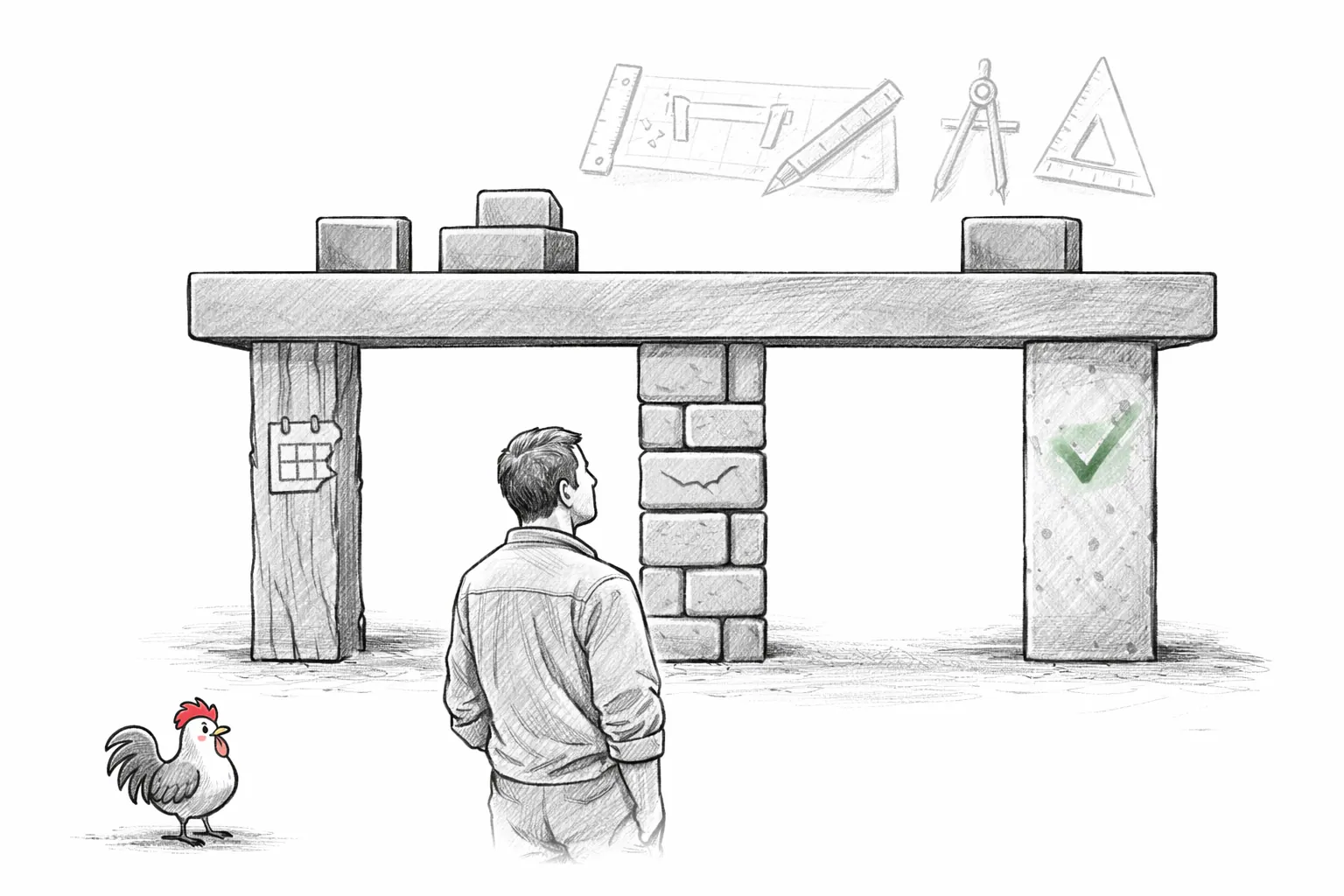
Just as a wise bird builds its nest with a variety of strong, carefully chosen materials, your credit profile thrives on a diverse foundation of accounts and impeccable financial habits. The tradeline provides that crucial initial support, helping you secure the spot and gather momentum. But it's the continuous, mindful effort of weaving in your own threads, your own cards, your own loans, your own payment history, that will create a truly secure, vibrant, and prosperous roost for your financial future. Begin with the boost, but always build for the long flight ahead.
Frequently Asked Questions
1. How long does a tradeline stay on your credit report?
- A tradeline typically remains on your credit report as long as you are listed as an authorized user and the account itself remains open and active. If you are removed as an authorized user, or if the primary account is closed, the tradeline may eventually fall off your report, though sometimes it can remain for several months or even a few years, depending on the credit bureau and the nature of the account.
2. Does a tradeline's impact diminish over time?
- Yes, while a tradeline can change your file's visibility right away, its proportional impact tends to diminish over time. This is because credit scoring models place increasing weight on accounts where you are the primary borrower, demonstrating your direct responsibility and payment history. Tradelines are best thought of as a gateway to building your own primary credit accounts — what those accounts unlock is between you and each lender, and results vary.
3. What should I do after getting a tradeline to build credit long-term?
- After a tradeline boosts your score, immediately leverage that improvement to open your own credit accounts. Prioritize secured credit cards, credit-builder loans, and consider rent reporting. Focus on making all payments on time and keeping credit utilization low across all your accounts. These actions build a strong, self-sustaining credit history that lenders value most.
4. Are tradelines a permanent solution for bad credit?
- No, tradelines are not a permanent, standalone solution for building or repairing credit. They are a powerful tool for an initial boost or to overcome a specific hurdle. For truly durable and robust credit, you must establish and responsibly manage your own primary credit accounts and maintain excellent payment habits over the long term. Think of them as a fast-track starter, not the entire journey.
5. Do all lenders weigh tradelines the same way?
- No, the impact of tradelines can vary significantly between different lenders and credit scoring models. While most models generally recognize authorized user accounts, some lenders may place less emphasis on them compared to primary accounts, especially for larger loans like mortgages. It's always best to build a diverse credit profile with your own primary accounts to ensure broad acceptance and strong scores across the board.