Key Takeaways
- Credit repair addresses existing problems, while credit building establishes positive history.
- Repair involves disputing errors and negotiating debts; building involves opening new accounts.
- Both are crucial for a healthy credit profile, often pursued simultaneously.
- Authorized User (AU) tradelines are a fast way to add positive history for building credit.
- Secured credit cards and credit-builder loans are durable tools for long-term credit growth.
- Understanding the difference empowers you to choose the right strategy for your unique situation.
The Foundation: Reactive Repair vs. Proactive Building
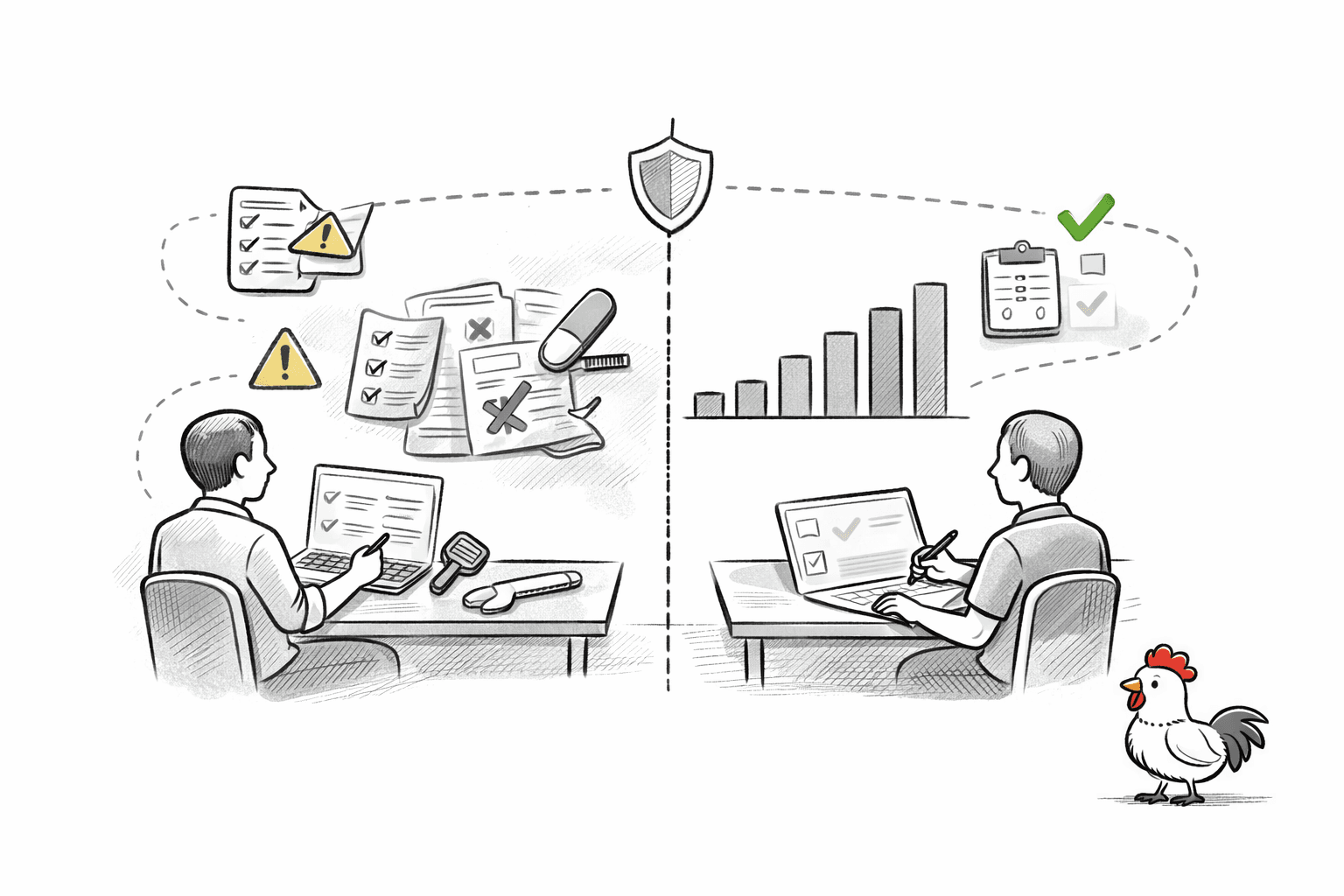
People often confuse these two aspects of improving their finances, but understanding the distinction is crucial for charting the right course. Both aim for a stronger credit profile, yet their methods, timelines, and immediate goals are distinctly different. Think of it this way: credit repair is reactive, dealing with past issues, while credit building is proactive, focused on creating a positive future. You can’t build a strong nest on a shaky, damaged foundation, nor can you rely solely on patching old holes if you want a truly resilient home for your financial future.
Credit Repair: Mending the Damaged Nest
Credit repair is about identifying and addressing negative entries, inaccuracies, or old debts that are dragging down your credit score. It’s a process of investigation, correction, and negotiation, all aimed at cleaning up your financial past. When your credit nest has broken twigs (like late payments) or even signs of a past struggle (such as collections or charge-offs), credit repair is your tool to mend it.
What does credit repair involve?
Dispute Process
- Reviewing your credit reports: This is the critical first step. You'll obtain your reports from the three major bureaus (Experian, Equifax, and TransUnion) and scrutinize them for errors. These can range from incorrect account balances, duplicate accounts, or even accounts that don't belong to you. Knowing how to decipher this complex document is key. If you're wondering how to make sense of your report, we’ve got a guide on How to Read Your First Credit Report.
- Disputing inaccurate information: If you find errors, you have the right to dispute them with the credit bureaus and the creditor. They are legally obligated to investigate and remove anything they cannot verify. This process can significantly improve your score. For a deeper dive, check out our article on The Most Common Credit Report Errors and How to Spot Them.
- Negotiating with creditors: For legitimate negative items like old collections or charge-offs, you might be able to negotiate a 'pay for delete' agreement, where the creditor agrees to remove the negative mark once you pay the debt. This requires careful communication and understanding of your rights.
- Addressing identity theft: If your nest has been compromised by a cuckoo bird (identity thief), credit repair involves reporting the theft, placing fraud alerts, and working to remove fraudulent accounts from your reports.
Credit repair can be a meticulous and sometimes lengthy process, but its rewards are substantial. By removing obstacles, you clear the way for your credit score to improve and for new, positive credit to take root.
Credit Building: Weaving New, Strong Twigs
Credit building, by contrast, is about establishing a positive credit history when you have little to no credit (a "thin file") or when your existing history is simply too sparse to generate a strong score. It's about proactively adding new, sturdy materials to your financial nest to demonstrate consistent, responsible financial behavior. This is particularly vital for newcomers to the credit system, or those like Nico, who've been credit invisible for too long.
What does credit building involve?
- Opening new credit accounts: The core of credit building is acquiring new accounts that report your payment history to the credit bureaus. These accounts become your "tradelines," the individual lines of credit that appear on your report and contribute to your score. To understand these fundamental elements, you can explore our guide on Understanding Tradelines: The Building Blocks of Your Credit Report.
- Making on-time payments: The most significant factor in your credit score is payment history. Consistently paying your bills on time for your new accounts demonstrates reliability and trustworthiness. Setting up autopay can be a powerful tool for this.
- Keeping credit utilization low: This means not using too much of your available credit. Lenders prefer to see that you can manage credit without maxing out your cards.
- Diversifying your credit mix: A healthy credit profile often includes a mix of different types of credit, such as revolving credit (credit cards) and installment loans (personal loans, auto loans).
- Establishing a long credit history: Over time, the length of your credit history positively impacts your score. Patience is a virtue here.
Here are some common tools for credit building:
Secured Cards
Deposit-backed cards that function like regular credit cards to build history.
Credit-Builder Loans
unique loans where you save money while building a positive payment record.
AU Tradelines
Piggyback on a trusted user’s established credit history for a quick boost.
Rent Reporting
Ensure your on-time monthly rent payments are reported to credit bureaus.
Credit building is about carefully and consistently adding positive data to your credit file, much like a diligent bird gathers the best twigs and materials to ensure its nest is strong, safe, and built to last.
The Crucial Differences and Why Both Matter
While both repair and building contribute to a healthier financial nest, their fundamental roles are distinct:
- Purpose: Repair addresses existing damage; building creates new, positive history.
- Starting Point: Repair assumes you have negative marks to address; building assumes you have little to no history or need to add new positive accounts.
- Impact: Repair may help improve your score by removing derogatory information. Building leads to gradual, sustainable score improvement and increased creditworthiness over time.
- Timeline: Repair can sometimes yield quicker results if errors are easily resolved. Building is a marathon, requiring consistent responsible behavior over months and years.
- Tools Used: Repair uses disputes, negotiations, and corrections. Building uses new credit accounts (secured cards, credit-builder loans, tradelines) and responsible financial habits.
Can you do both? Absolutely. In fact, for many people, especially those who are rebuilding their credit after past difficulties, doing both simultaneously is the most effective strategy. You wouldn't try to build a new nest around a crumbling foundation, would you? First, you'd clear out the debris, then you'd start constructing something new and robust. That’s the synergy between credit repair and credit building. Remove the negatives, then actively add the positives.
Real-World Nest Strategies: Who Needs What?
Let’s look at a few common scenarios and how understanding the difference between credit repair and credit building helps craft the right plan.
Which Strategy Fits You?
The Newcomer (No History)
You have no credit file or very few accounts.
The Rebuilder (Past Issues)
You have collections or late payments.
The Quick Boost Seeker
You need a score bump for a specific goal soon.
-
Nico, the Newcomer: Nico just graduated college and landed his first job. He’s excited to get his own apartment and maybe even finance a new phone, but he has virtually no credit history. His financial nest is "thin," a few flimsy twigs at best, making him credit invisible. What Nico needs is credit building. His strategy: Start by becoming an authorized user on a trusted family member's well-managed credit card (an AU tradeline) to quickly gain some credit visibility. Simultaneously, he'll apply for a secured credit card and make small, regular purchases, paying them off in full and on time every month. He might also consider a credit-builder loan to diversify his credit mix. His focus is on adding positive tradelines and establishing a consistent payment history from scratch.
-
Riley, the Rebuilder: Riley faced some tough times a few years ago, resulting in a couple of late payments and a medical collection on her credit report. She's now back on her feet, but her low credit score is holding her back from getting better rates on a car loan. Her nest has some broken branches from past storms. Riley needs credit repair AND credit building. Her strategy: First, Riley will pull her credit reports and meticulously check for errors related to those late payments or the collection. She'll dispute any inaccuracies. For the legitimate collection, she might attempt to negotiate a 'pay for delete' if it's still possible. While doing this, she'll also focus on credit building: opening a secured credit card or a credit-builder loan to demonstrate new, positive payment behavior and start building a fresh, positive history. The repair removes the old damage, while the building adds new, sturdy support.
-
Time-Sensitive Tina: Tina needs to qualify for an apartment lease in a few weeks and her credit file is thin, but not severely damaged. She’s worried she won’t meet the landlord’s credit requirements. She needs a fast boost, then long-term stability. Tina needs a credit building strategy with a rapid visibility component. Her strategy: Tina will immediately explore authorized user tradelines to get a quick infusion of positive credit history onto her report, aiming for an immediate boost in visibility. Concurrently, she’ll apply for a secured credit card and make sure her utilization is very low, making timely payments. The AU tradeline provides speed, while the secured card lays the groundwork for her own durable credit growth.
Building Your Credit Roost: A Path to Financial Strength
Understanding whether your financial nest needs mending or new materials is the first step toward a healthier credit profile. For many, it's a combination of both. No matter your starting point, remember these key takeaways:
Check Your Reports
Address Past Damage
Open New Accounts
Maintain Good Habits
- Know Your Current Nest: Always start by checking your credit reports from all three bureaus. This reveals what needs to be repaired and what needs to be built.
- Address Damage First: If your report has significant negative items or errors, prioritize dealing with them. Disputing errors or negotiating debts can have a powerful impact.
- Proactively Build: Even if you're repairing, start building positive credit. Open new accounts, make timely payments, and keep utilization low. Consistency is key.
- Leverage Fast Gateways: For quick visibility, especially if you're starting from scratch, authorized user tradelines can be an effective initial boost, providing positive history while you establish your own accounts.
- Focus on Durable Builders: For long-term strength, focus on secured credit cards, credit-builder loans, and rent reporting. These tools build a robust, independent credit history.
There’s no magic wand for credit improvement, but there is a clear roadmap. By understanding the difference between credit repair and credit building, you equip yourself with the knowledge to make informed decisions and build a financial future as strong and resilient as a well-constructed nest.
Complementary Growth: Speed and Durability
You might be patching up old damage or laying down your first twigs. Either way, your journey to a stronger credit profile is a continuous one. If you're a newcomer or rebuilder seeking the fastest way to establish positive reporting, exploring authorized user tradelines can be an excellent gateway. But remember, speed is just one part of the equation. To build truly durable, lasting credit strength, complement these efforts with your own accounts like secured credit cards, credit-builder loans, and rent reporting.
Ready to get started on your own credit roost strategy? There are many tools available, and we're here to help you understand them.
Important Disclosure
LegalSome lenders and credit scoring models may filter out, discount, or weigh authorized user tradelines differently in their underwriting decisions. Results vary based on lender policies, the specific scoring model used, and your unique credit profile. An AU tradeline does not guarantee loan approval or any specific credit score outcome.
Frequently Asked Questions
1. What is the primary goal of credit repair?
- Credit repair primarily aims to fix existing negative items, inaccuracies, or old debts on your credit report to improve your credit score by removing obstacles.
2. What is the primary goal of credit building?
- Credit building focuses on establishing a positive credit history by opening new accounts and demonstrating responsible financial behavior, especially for those with little to no credit.
3. Can I pursue credit repair and credit building at the same time?
- Yes, for most people, especially those rebuilding credit, pursuing both strategies simultaneously is the most effective approach to clear past issues and build a strong future.
4. What are some common tools used for credit building?
- Common tools include secured credit cards, credit-builder loans, becoming an authorized user on an established credit card, and rent reporting services.
5. How quickly can I expect to see results from credit repair?
- The timeline for credit repair varies; easily resolved errors can show quicker results, while more complex disputes or negotiations may take several months.
6. What role do Authorized User (AU) tradelines play in credit building?
- AU tradelines can provide a fast infusion of positive credit history, especially for newcomers, by adding the history of a well-managed account to their credit report, offering a quick boost in visibility.
7. Why is checking my credit reports the essential first step for either strategy?
- Checking your credit reports is crucial because it reveals your current credit situation, identifying any negative items that need repair and highlighting where new credit building efforts are most needed.
Building and repairing your credit takes time, effort, and the right materials. With a clear understanding of your current situation and the strategic steps outlined here, you can transform a fragile nest into a strong, secure roost that will serve you well for years to come. Your financial well-being deserves a safe and sturdy home, and with these strategies, you’re well on your way to building it.