Key Takeaways
- A bank account is your financial home base in the US, necessary for managing money and building credit.
- While debit cards don't build credit, having a checking account is often a prerequisite for getting credit cards and loans.
- Establishing a bank account is a fundamental step toward building a positive credit history and achieving your financial goals.
- Consider factors like fees, ATM access, and online banking features when choosing a bank.
- An SSN or ITIN is generally required to open a bank account in the US; review eligibility requirements beforehand.
- Opening a bank account can be the first step toward accessing financial tools like authorized user tradelines, secured credit cards, and credit-builder loans to improve your credit profile.
The Financial Hub: Why a Bank Account Is Nonnegotiable
Think of a bank account as the central hub of your financial activity. It's where your paycheck lands, where you pay your bills from, and where you save for the future. Without one, you're essentially living outside the financial system, making it difficult to manage your money and build credit.
In the US, a bank account is often a prerequisite for many essential services and financial products. You can't apply for a credit card, get a loan, or even rent an apartment without a bank account.
Landlords want to see that you can reliably pay rent, and creditors need a way to receive payments. In the grand scheme of your financial life, a US bank account is the bedrock on which everything else is built. Without it, you're starting the credit-building journey with a significant disadvantage.
Checking Vs. Savings: Choosing the Right Financial Buckets
Here's how it works. the types of bank accounts you'll encounter. The most common are checking and savings accounts.
A checking account is designed for everyday transactions. You can deposit money, pay bills, and make purchases using a debit card or writing checks. It’s your go-to account for managing your day-to-day finances.
A savings account, on the other hand, is designed for storing money you don't need immediately. Savings accounts typically offer interest, allowing your money to grow over time. They're ideal for saving up for a down payment on a house, a new car, or any other long-term goal.
While both accounts are essential, understanding the differences is crucial. A checking account is your transactional hub, while a savings account is your wealth-building tool. Many banks offer different tiers of both types of accounts, with varying fees, interest rates, and features. Researching and comparing your options is essential to find the accounts that best fit your needs.
Debit Vs. Credit: Unlocking the Power of Smart Spending
Now, let's clarify a common misconception: the difference between a debit card and a credit card.
A debit card is directly linked to your checking account. When you use a debit card, the money is immediately withdrawn from your account. Debit cards don't build credit history because they're simply a way to access your existing funds.
A credit card, on the other hand, is a line of credit that you borrow from the card issuer. When you use a credit card, you're essentially borrowing money that you'll need to repay later. Making timely payments on a credit card builds a positive credit history, which is crucial for achieving your financial goals.
Think of it this way: a debit card is like using cash, while a credit card is like borrowing money. While having a debit card is convenient, it won't help you establish credit. To build credit, you need to use credit responsibly.
It's worth noting that many banks require you to have a checking account before they'll approve you for a credit card. So, opening a bank account is a necessary first step, even if your ultimate goal is to build credit. You might explore options like a secured credit card to start building credit if you are having trouble being approved for a traditional credit card.
Gathering Your Tools: Documents You Need to Open an Account
So, you're ready to open a bank account. What do you need?
Generally, you'll need a valid form of identification, such as a driver's license or passport. You'll also need either a Social Security number (SSN) or an Individual Taxpayer Identification Number (ITIN). The SSN vs. ITIN serves as your financial ID in the US. Most banks will require one of these to open an account.
If you don't have an SSN, you may be eligible for an ITIN. This is assigned by the IRS to foreign nationals or others who have US tax reporting obligations but don't qualify for an SSN.
Be aware that some banks may have additional requirements, such as proof of address or a minimum opening deposit. It's always best to check with the bank directly to confirm their specific requirements before you go. Opening a bank account might seem daunting, but it's a straightforward process. Once you have the required documents, you can typically open an account online or in person at a branch.
Bank Account Requirements
- Valid Photo ID (Passport/Driver's License)
- SSN or ITIN
- Proof of US Address (Utility bill/Lease)
- Minimum opening deposit (cash or transfer)
Choosing Your Coop: Picking the Perfect Bank for You
Choosing the right bank is a personal decision. Consider what's most important to you. Do you prefer the convenience of online banking, or do you value the personal touch of a brick-and-mortar branch?
Are you concerned about fees? Look for banks that offer free checking accounts or waive fees if you meet certain requirements, such as maintaining a minimum balance.
Another factor to consider is ATM access. If you frequently need to withdraw cash, choose a bank with a large ATM network or one that reimburses ATM fees.
Customer service is also essential. Read online reviews to see what other customers say about their experience with the bank. Opening a bank account is a crucial step, so take your time to find the right fit.
Choosing a Bank
- Check for monthly maintenance fees
- Look for FDIC insurance
- Verify ATM network availability
- Ignore overdraft fee policies
- Open an account without reading terms
- Assume all banks accept ITINs
Let’s look at a few examples:
-
Nico, a newcomer: Nico just arrived in the US and needs a bank account to receive their paycheck and pay rent. They don't have a credit history yet. Nico should focus on finding a bank with low or no fees and convenient online banking features.
-
Riley, a rebuilder: Riley is working to rebuild their credit after some past financial mistakes. They need a bank account to manage their finances and eventually qualify for a secured credit card. Riley should look for a bank that offers financial education resources and tools to help them improve their credit.
-
Time-sensitive Tina: Tina needs to open a bank account quickly to receive a government benefit payment. She should research banks that allow online account opening and offer instant access to funds.
Beyond the Bank: Springboarding Into Credit Building
Opening a bank account is an essential first step toward building credit and achieving your financial goals in the US. Once you have a bank account, you can start exploring other financial products and services, such as:
- Authorized user tradelines: Becoming an authorized user on someone else's credit card can help you build credit quickly, especially if you have a limited credit history.
Important Disclosure: Some lenders and credit scoring models may filter out, discount, or weigh authorized user tradelines differently in their underwriting decisions. Results vary based on lender policies, the specific scoring model used, and your unique credit profile. An AU tradeline does not guarantee loan approval or any specific credit score outcome.
-
Secured credit cards: A secured credit card is a credit card that requires you to put down a security deposit. This deposit serves as collateral, making it easier to get approved, even with bad credit.
-
Credit-builder loans: A credit-builder loan is a small loan designed to help you build credit. The lender reports your payments to the credit bureaus, helping you establish a positive credit history.
-
Rent reporting: Some landlords or rent-reporting services will report your rent payments to the credit bureaus, which can help you build credit.
These tools can help you establish and improve your credit profile, opening doors to better interest rates, lower insurance premiums, and other financial opportunities. But it all starts with that financial home base: your US bank account.
Hatching Your Financial Nest: Taking Flight in America
Ready to hatch your financial nest? Opening a US bank account is the first step toward building a solid financial foundation. It provides a safe place to manage your money and unlocks access to essential financial tools like credit cards and loans. Remember that you can explore authorized-user tradelines as your fastest gateway to credit visibility. To build long-term strength, consider secured cards, credit-builder loans, and rent reporting. These tools, combined with responsible financial habits, will help you achieve your goals. Remember, while tradelines offer a fast start, pairing them with these long-term strategies is key to sustainable credit health.
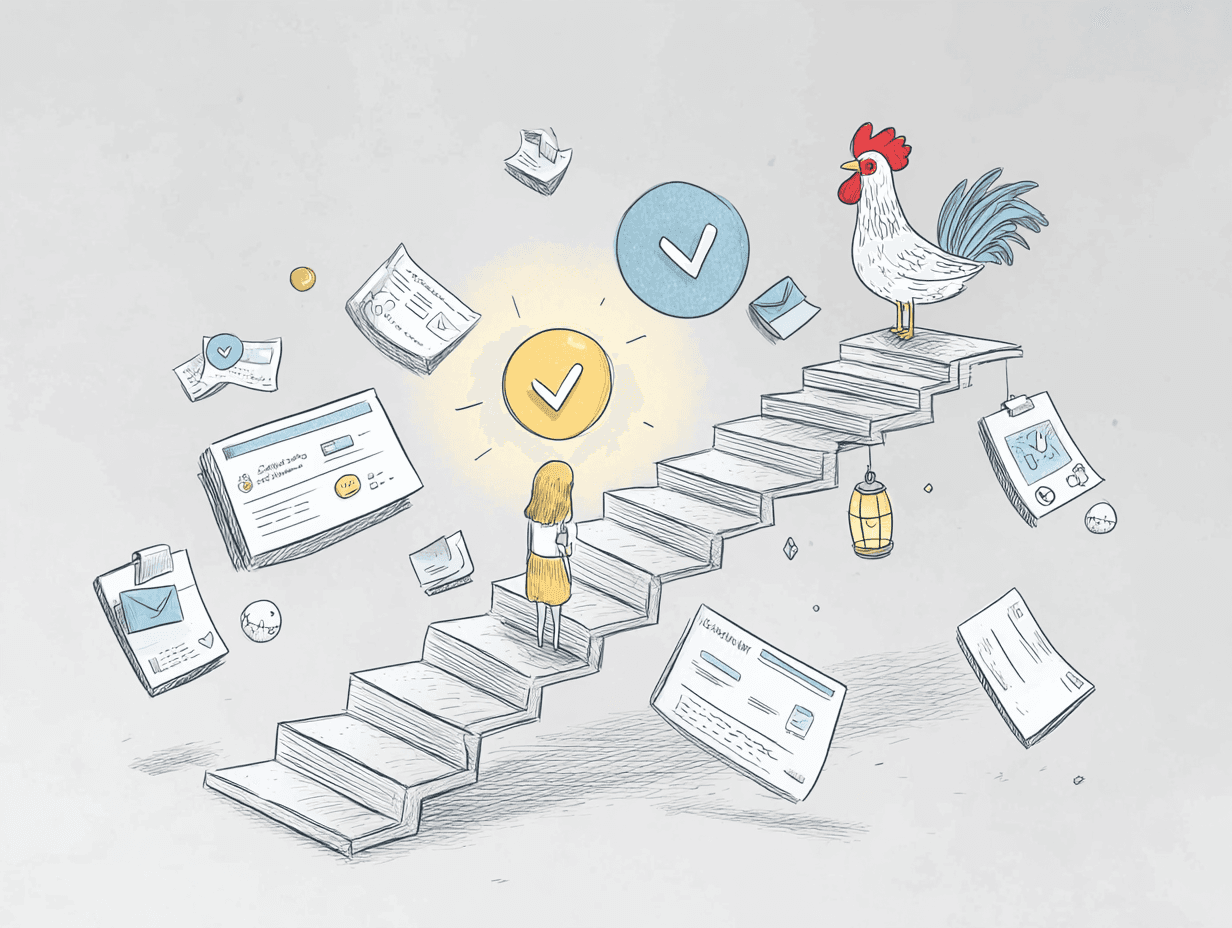
Your Nest Is Ready: Soar to New Financial Heights
So, you've built your financial nest, brick by brick (or twig by twig!). Remember that first step of opening a bank account? You’re ready to gather more twigs, build a strong credit history, and soar to new financial heights. With careful planning and consistent effort, you can create a secure and comfortable financial future in your new home. Go build that nest!
Frequently Asked Questions
1. Can I open a US bank account without a Social Security Number?
- Yes. Many banks accept an ITIN (Individual Taxpayer Identification Number) or a foreign passport with proof of address.
2. Does opening a bank account affect my credit score?
- Generally, no. Banks usually check ChexSystems, not your credit report, unless you apply for overdraft protection.
"I need a credit score to open a bank account."
Banks check banking history, not credit history.
Why? Most banks use ChexSystems to see if you've mishandled bank accounts in the past, not your FICO score.
3. Why do I need a bank account to build credit?
- You need a place to pay your credit card bills from. It's the hub for managing your financial payments.
4. Is my money safe in a US bank account?
- Yes. FDIC insurance protects deposits up to $250,000 per depositor, per insured bank, in case of bank failure.
5. What is ChexSystems?
- It's a reporting agency banks use to track mishandled checking accounts (like unpaid overdrafts). A bad record there can stop you from opening an account.
6. Is an online bank better than a traditional branch?
- It depends. Online banks often have lower fees and better apps, but physical branches are helpful if you deal with cash or need in-person help.