Key Takeaways
- In December 2025, Governor Kathy Hochul approved S03072, which amends the New York State Fair Credit Reporting Act and takes effect on April 18, 2026.
- The law prohibits employers throughout New York State from requesting or using an applicant's or employee's consumer credit history, including reports, scores, payment history, bankruptcies, and liens, in hiring, promotion, compensation, discipline, and termination.
- Narrow exemptions remain, and whether a specific role falls inside one depends on its actual duties, so check rather than assume.
- If a credit pull seems to have changed a job offer, save the paperwork, request the report, and bring an organized file to a qualified employment attorney.
Maya's Imaginary Afternoon: Why the Clock Matters
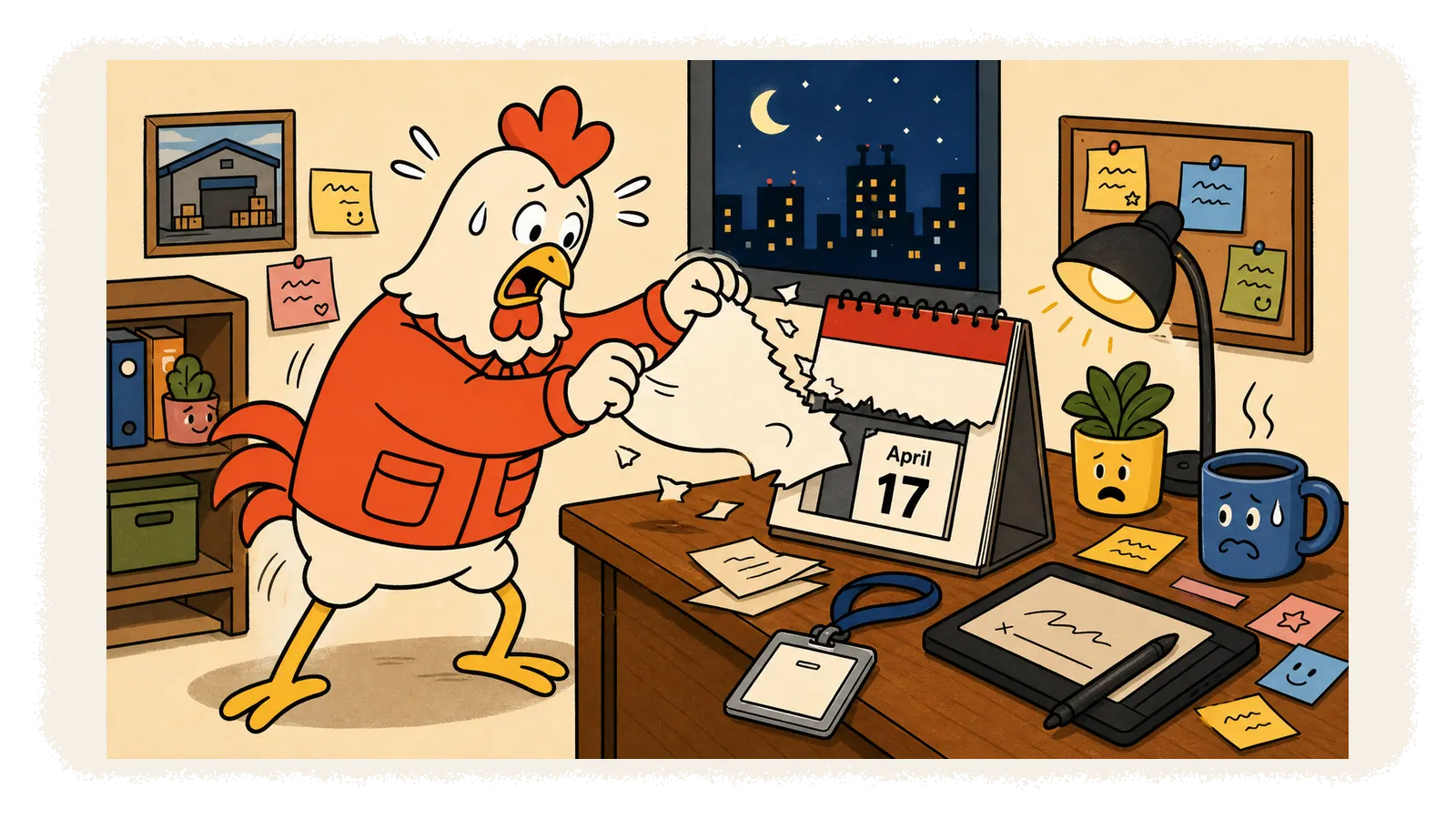
Imagine Maya. She is not a real applicant. She is a composite, a stand-in we are inventing to walk through what a single afternoon can look like, but the machinery around her is very real. In this scenario, Maya interviews for a picker-packer job at a Brooklyn warehouse on the morning of April 17, 2026. The conversation goes well. A supervisor smiles, says the shift is hers pending a routine background check, and sends her to a tablet to sign a stack of disclosures. She signs without reading closely, the way most of us do.
Within a couple of hours, a third-party screening vendor pulls a package that includes her consumer credit history. By mid-afternoon, the warm 'welcome aboard' has cooled into a shorter offer, a probationary pay rate, and a vague line about 'what came back.' One day later, on April 18, 2026, a new statewide law would change what employers in New York can do with credit history at all. This article uses Maya's imaginary afternoon to explain the real rule, the real timeline, and the real questions you should ask if something like this ever happens to you.
Rebuild the Timeline of Your Own Afternoon
You consent
You sign a disclosure form that authorizes the background check.
Vendor compiles the report
A screening vendor or consumer reporting agency pulls and packages the file.
Employer reviews
The employer reads the report and weighs its decision.
Pre-adverse-action notice
If the report changes the decision, you should get a copy and time to respond.
Final decision
Only after that waiting window does the employer finalize anything.
If you ever suspect a credit pull shifted an offer, reconstruct your own version of Maya's afternoon. Write down the date and time you interviewed, the moment you signed anything, and the moment the tone changed. Save every email and text. Note who mentioned 'the background check' and what words they used. A tight timeline turns a vague bad feeling into something specific, and specificity is what an attorney, a regulator, or the employer's own human-resources team can actually act on. Memory fades within days, but a dated note or a saved screenshot does not, so capture the details while they are still fresh.
Figure Out Who Actually Pulled Your Credit
Next, figure out who actually ran the report, because 'the warehouse pulled my credit' is rarely the full story. In most cases the employer never touches the raw data. A consumer reporting agency or a specialized employment-screening vendor does. You can usually identify that vendor two ways. First, the disclosure you signed names it, which is exactly why saving the paperwork matters. Second, if an employer takes adverse action based on a report, the FCRA generally requires them to tell you the name, address, and phone number of the agency that supplied it.
What an Employer Actually Sees in the Report
"A credit pull only hurts you if it ends in a flat rejection."
In this scenario the offer does not vanish. It shifts. The full-time rate becomes a longer probation, a lead role becomes an entry rung, and the start date slides.
Why It Matters
A quiet downgrade is harder to see and harder to name than an outright denial, which is exactly why noting how the conversation changed is worth the effort.
Here is the quiet damage in the scenario: the offer does not vanish outright. It shifts. The full-time rate becomes a longer probation; a lead role becomes an entry rung; the start date slides while 'they finish the paperwork.' That is why these pulls matter even when nobody says the word 'denied.' A downgrade is harder to see and harder to name than a flat rejection, which is precisely why keeping notes about how the conversation changed is worth the effort. If you think an old collection account is shaping how employers treat you, get the underlying report and check every entry. Collections are among the most error-prone items on a credit file, and you have every right to challenge anything that is inaccurate, outdated, or simply not yours.
New York's New Credit-History Ban, Stated Plainly
Now the law itself, stated plainly. In December 2025, New York Governor Kathy Hochul approved S03072, a bill that amends the New York State Fair Credit Reporting Act. It takes effect on April 18, 2026, the day after Maya's imagined interview. The amendment prohibits employers throughout New York State from requesting or using an applicant's or an employee's consumer credit history in employment decisions. Before this, meaningful restrictions existed mainly in New York City. The new law extends that protection across the whole state.
The reach is broad. It stretches past hiring into promotion, compensation, discipline, and termination decisions. The 'credit history' it walls off includes credit reports, credit scores, payment history, bankruptcies, and liens, essentially the entire picture Maya worried about. With this change, New York became the eleventh state to restrict employers' use of credit history. If you live and work in New York, the headline is simple: for most jobs, on or after April 18, 2026, your credit is supposed to be irrelevant to whether you are hired, paid, promoted, or let go.
The Narrow Exemptions You Have to Read Carefully
The law is not absolute, though, and this is where you have to read carefully rather than assume. It keeps a set of narrow exemptions. Credit history may still be considered where the law itself requires it; for law enforcement and investigative roles; for jobs that require a security clearance or bonding; for roles that carry signatory authority over financial transactions of $10,000 or more; and for positions with regular access to trade secrets or other sensitive systems.
Narrow Exemptions Under S03072
| Exemption category | What it covers |
|---|---|
| Required by law | Roles where a statute itself mandates a credit check |
| Law enforcement | Police and investigative positions |
| Clearance or bonding | Jobs that require a security clearance or a bond |
| Signatory authority | Signing power over transactions of $10,000 or more |
| Sensitive access | Regular access to trade secrets or sensitive systems |
Notice what that list does and does not say. It describes categories of responsibility, not job titles or entire industries. Whether any specific position, a warehouse role included, falls inside one of these carve-outs depends on the actual duties involved, not on the label on the posting. Two roles with the same title can land on opposite sides of the line if one handles high-value transactions or sensitive systems and the other does not. I am not going to tell you that a picker-packer job is or is not exempt, because that turns on facts I cannot see and is exactly the kind of question a professional should answer. If your situation hinges on an exemption, the honest move is to map your real responsibilities against these categories, write down what you actually do day to day, and then get advice, rather than guessing in either direction.
What to Do in the First 90 Days
First 30 days: collect the disclosures, the adverse-action notice, the vendor report, your timeline, and every message where the offer changed
Next 60 days: request your own copy of the report and correct anything inaccurate, outdated, or not yours
By around 90 days: bring the organized file to a qualified employment attorney
If you choose: file a complaint with the appropriate regulator
Build a Stronger Nest of Your Own
Disclosure
Some lenders and credit scoring models may filter out, discount, or weigh authorized user tradelines differently in their underwriting decisions. Results vary based on lender policies, the specific scoring model used, and your unique credit profile. An AU tradeline does not guarantee loan approval or any specific credit score outcome.
Frequently Asked Questions
1. When does New York's ban on employment credit checks take effect?
- Governor Kathy Hochul approved S03072 in December 2025, amending the New York State Fair Credit Reporting Act. It takes effect on April 18, 2026, and applies to employers throughout New York State, not only New York City.
2. What employment decisions does the New York credit-history law cover?
- It prohibits employers from requesting or using an applicant's or employee's consumer credit history, including credit reports, credit scores, payment history, bankruptcies, and liens, in hiring, promotion, compensation, discipline, and termination decisions.
3. Are there exceptions to New York's employment credit-check ban?
- Yes. Narrow exemptions remain, such as positions where credit history is required by law, law enforcement and investigative roles, jobs requiring a security clearance or bonding, roles with signatory authority over transactions of $10,000 or more, and positions with regular access to trade secrets or sensitive systems. Whether a specific role qualifies depends on its actual duties.
4. Does the law apply only in New York City, or across the whole state?
- It applies throughout New York State. Before this amendment, meaningful restrictions existed mainly in New York City. The new law extends that protection statewide. With the change, New York became the eleventh state to restrict employers' use of credit history.
5. Who actually pulls my credit when I apply for a job?
- In most cases the employer never touches the raw data. A consumer reporting agency or a specialized employment-screening vendor does. You can usually identify that vendor from the disclosure you signed, and if an employer takes adverse action based on a report, the FCRA generally requires them to give you the name, address, and phone number of the agency that supplied it.
6. What should I do if a credit pull seems to have changed a job offer?
- Reconstruct a dated timeline, save the disclosures and any adverse-action notice, request your own copy of the report, and correct anything wrong. If you still believe your credit was used against you in a New York employment decision on or after April 18, 2026, bring the organized file to a qualified employment attorney and, if you choose, the appropriate regulator. None of this is a substitute for real legal advice about your own situation.