Key Takeaways
- The CFPB headquarters lease was cancelled and the building closed in February 2025, not 2026, and staff began returning to an office in 2026. The Bureau was not abolished and never stopped accepting complaints.
- An analysis found more than 830,000 complaints currently unresolved as staff cuts collided with surging volume. More than 4 million credit reporting complaints were filed with the CFPB in 2025 alone.
- On June 25, 2026 the CFPB announced an overhaul of its consumer complaint system, with new requirements for credit reporting complaints and a restructured definition of the backlog.
- File your FCRA dispute with the furnisher first. A CFPB complaint is usually the second step, not the first, and both remain your rights.
Your Complaint Is Not Vanishing Into a Void
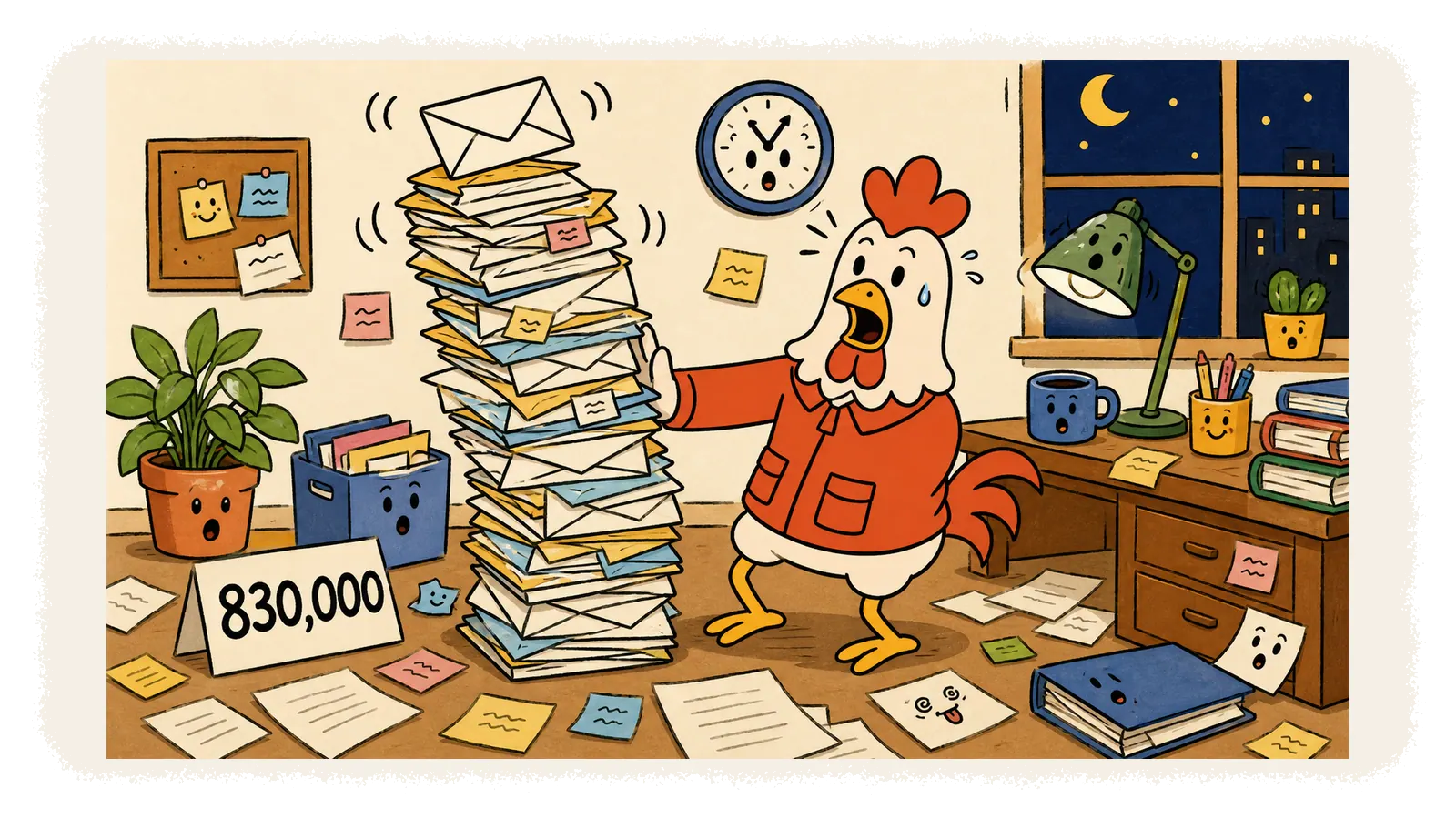
Imagine you have spent three months disputing the same wrong collection on your credit report, and the company that reported it keeps verifying it as accurate. The next lever most people reach for is a complaint to the Consumer Financial Protection Bureau (CFPB), the federal agency that runs the public complaint database lenders and credit bureaus have to answer through. So you file. And then you read a headline saying more than 830,000 complaints are sitting unresolved, and you wonder whether yours just vanished into the pile.
That is a fair worry, and this is an honest walkthrough of where the CFPB complaint system actually stands in 2026: what changed, what did not, and how to use it anyway. We are not going to tell you the process is hopeless, because it is not, and your rights did not disappear. But we are also not going to pretend the queue is short. Think of your complaint as one more egg you are carefully placing in the nest: worth doing well, worth tracking, and not the only egg you have.
Along the way we will keep the facts tight. Anything about the agency's recent upheaval comes from the public record. The people and dollar amounts in our examples are clearly labeled as hypotheticals, so you can see the mechanics without mistaking a story for a promise.
Get the Timeline Right: the CFPB Closed in 2025, Not 2026
Get the timeline right first, because a lot of the panic circulating online has the dates wrong. In February 2025, CFPB employees were told to stop nearly all work, and the Bureau's Washington, D.C. headquarters was closed. That same month the administration cancelled the headquarters lease and turned the property over to the General Services Administration, the federal agency that manages government real estate. The former headquarters is now partially occupied by the Office of Management and Budget. Staff began returning to an office in 2026, more than a year after the headquarters was shuttered.
Two details are worth underlining. First, the closure happened in 2025, not 2026. If you saw it described as a this-year event, that framing is wrong. Second, and this is the part that matters most for you: the CFPB was not abolished. It still exists, and it never stopped accepting complaints. The doors to the complaint system stayed open even while the building did not, which is the single fact most likely to get lost in the noise.
Headquarters closed
CFPB staff told to stop nearly all work; the D.C. headquarters was closed and its lease cancelled.
Complaints kept flowing
The Bureau was not abolished. The complaint system stayed open the entire time.
Staff return to an office
Employees began returning to an office more than a year after the building shut.
Complaint system overhaul
New requirements for credit reporting complaints and a restructured definition of the backlog.
The one fact most likely to get lost
The CFPB was not abolished and never stopped accepting complaints. The building closed in February 2025; the complaint system did not.
Where the 830,000 Backlog Number Comes From
So where does the 830,000 figure come from? Staff cuts reduced the agency's capacity for complaint intake and resolution at exactly the moment complaints were surging. An analysis found more than 830,000 complaints currently unresolved. Set those two facts side by side and the backlog stops being a mystery: fewer people processing more mail.
What the June 2026 Complaint-System Overhaul Changed
On June 25, 2026, the CFPB announced an overhaul of its consumer complaint system. Two pieces of that announcement matter to you directly. It introduced new requirements for credit reporting complaints, and it restructured the definition of the complaint backlog itself.
That second part is subtle and easy to misread. Restructuring how the backlog is defined changes what counts as "unresolved," which means the headline number you see may be measured differently going forward than it was before. We are not going to guess what the revised count will be. That is not established, and guessing is exactly the kind of thing this walkthrough refuses to do. Here is what you can safely take from it: the rules for how a credit reporting complaint gets filed and tracked were updated in mid-2026, so the process you find today may differ in its particulars from a walkthrough written a year ago. When in doubt, follow the current on-screen instructions rather than an old set of steps you half-remember.
Why single out credit reporting for new requirements? Because it was the flood. When one category makes up the overwhelming majority of incoming mail, tightening how those complaints are structured is one of the few levers an under-staffed agency has to keep the lane moving. For you, that usually means being asked for more specifics up front: the item in dispute, what you already did about it, and the outcome you want, rather than a loose narrative. Read those prompts as a chance to make your case cleanly, not as a hoop. The more precisely you answer them, the less your complaint has to bounce back to you for clarification before anyone can work it.
Why You Dispute With the Furnisher First
Furnisher
The company that reported an item to the credit bureaus and must investigate a dispute about it.
Have you already disputed the item with the furnisher and the bureau?
Two Hypotheticals: Priya and Devon
Let me make this concrete with two clearly hypothetical people. Imagine Priya, new to the U.S. and building her first nest of credit, who finds a collection account on her report that is not hers, a mixed file, where someone else's data lands on your record. She disputes it with the bureau first. Suppose the furnisher verifies it anyway. Priya then files a CFPB complaint, attaches the dispute letter and the bureau's response, and describes the error in two plain sentences. Nothing about her timeline is fixed, and any number of days I could name here would be invented, so I will not put a clock on it.
How to File a Complaint a Reviewer Can Act On
When you do file, a few habits make your complaint easier to resolve, which is the closest thing to speeding it up that you actually control. Keep the narrative short and factual. State what is wrong, what you have already done, and what outcome you want. Attach the dispute and the response. Give account numbers and dates. A reviewer working through a deep queue can act faster on a complaint that hands them the facts than on one they have to reconstruct from scratch.
- Keep the narrative short and factual: what is wrong, what you did, what outcome you want
- Attach the dispute letter and the furnisher or bureau response
- Give account numbers and dates so a reviewer can act fast
- Save every submission and confirmation number like a receipt
- Write a loose, emotional narrative a reviewer has to untangle
- Rest your whole outcome on this one channel
- Skip the furnisher dispute and lead with the complaint
- Expect the first reply to always be a full resolution
Set expectations honestly. With a backlog this size and credit reporting as the busiest category, a response may not be quick, and the first reply you receive may be an acknowledgment rather than a resolution. That does not mean your complaint disappeared. Keep your own copy of every submission and every confirmation number, the way you would keep receipts. If your situation is time-sensitive, a mortgage application already in motion, for instance, say so plainly, and keep the underlying dispute moving in parallel rather than resting everything on a single channel.
Riley's Mortgage Deadline: Load More Than One Branch
Suppose Riley is thirty days from a mortgage closing when a phantom late payment surfaces on one bureau's file. Riley cannot afford to bet the whole outcome on one slow lane, so Riley runs several at once: a direct FCRA dispute with the furnisher, a dispute with the affected bureau, a CFPB complaint documenting both, and a call to the loan officer about a rapid rescore, the lender-initiated process for pushing a corrected item through quickly. Any specific timeline here would be a fiction, so picture the structure, not a countdown clock.
The lesson from Riley's hypothetical is not that the CFPB is your savior or your dead end. It is that no single door should carry your whole outcome. The complaint system is one branch of the tree, sturdier on some days than others. Your job is to load more than one branch, so that if the busiest one bends under 830,000 cases, the others still hold your weight. That is not pessimism about the agency; it is simply how you protect a time-sensitive file.
Do the Unglamorous Work in Order
Come back to that first image: your complaint as one carefully placed egg. Filing into an 830,000-case backlog can feel like dropping it into a void, but the void framing is wrong on the facts. The CFPB never stopped taking complaints, it was not abolished, and in June 2026 it rebuilt the very system your complaint travels through. The queue is real and the wait may be long, and both of those things can be true without the process being pointless.
Dispute the inaccurate item with the furnisher and the bureau first
Document everything: dispute letters, responses, statements, screenshots
File the CFPB complaint when the dispute stalls, written tight and factual
Keep the other branches bearing weight: bureau disputes, your lender, your records
So do the unglamorous work in order. Dispute the error with the furnisher and the bureau first, because that is your FCRA right and often your fastest fix. Document everything. File the complaint when the dispute stalls, write it tight, and keep the other branches, bureau disputes, your lender, your own records, bearing weight at the same time. A backlog is a statement about the agency's capacity, not about your right to be heard. Keep tending the nest, one honest egg at a time, and let each branch do the small part it can.
Frequently Asked Questions
1. Was the CFPB abolished in 2026?
- No. The Consumer Financial Protection Bureau was not abolished and never stopped accepting complaints. Its Washington, D.C. headquarters was closed and its lease cancelled in February 2025, and staff began returning to an office in 2026.
2. When did the CFPB headquarters close?
- In February 2025, CFPB employees were told to stop nearly all work, the D.C. headquarters was closed, and the lease was cancelled, with the building turned over to the General Services Administration. It is now partially occupied by the Office of Management and Budget.
3. How many CFPB complaints are unresolved?
- An analysis found more than 830,000 complaints currently unresolved. Staff cuts reduced the agency's capacity for intake and resolution while complaint volume surged. More than 4 million consumer complaints about credit reporting were filed in 2025.
4. Should I file a CFPB complaint or dispute with the furnisher first?
- Under the Fair Credit Reporting Act, dispute the inaccurate item directly with the furnisher and the bureau first, which builds a paper trail and often resolves it. File a CFPB complaint if the dispute stalls. Both remain your rights.
5. What changed in the June 2026 complaint-system overhaul?
- On June 25, 2026 the CFPB announced an overhaul of its consumer complaint system that introduced new requirements for credit reporting complaints and restructured the definition of the complaint backlog. Because the backlog definition changed, the headline number may be measured differently going forward, and the current on-screen filing steps may differ from older walkthroughs.
6. Does a long backlog mean my complaint disappeared?
- No. The first reply you receive may be an acknowledgment rather than a resolution, and that does not mean your complaint vanished. Keep your own copy of every submission and confirmation number, and for a time-sensitive file keep the underlying dispute moving in parallel.