Key Takeaways
- Tradeline cost is primarily driven by its age, credit limit, utilization rate, and the issuing bank's reputation.
- Investing in a higher-quality tradeline (older, higher limit, low utilization) generally offers greater credit-building value and impact.
- The true 'value' of a tradeline depends on your specific credit goals and current financial situation.
- Always prioritize reputable providers and verify posting guarantees to avoid wasting your investment.
- Tradelines are a fast gateway to credit visibility but should be paired with durable credit-building habits and accounts for lasting success.
- Expect varying results; no specific score boost or approval is guaranteed.
Beyond the Sticker Price: What Actually Drives Tradeline Cost?
Building your credit profile is remarkably similar. You're looking for the right 'materials' to strengthen your financial nest, and authorized user (AU) tradelines can be those strong, foundational branches. But just like nest-building materials, tradelines come with a cost, and understanding that price tag (and more importantly, its true value) is key to making a wise investment in your credit future.
When you see a price attached to a tradeline, it's not arbitrary. It's a reflection of several critical factors that directly influence how impactful that tradeline will be on your credit report. Think of these as the quality indicators of your nest-building materials:
- The Age of the Account: This is often the most significant driver of cost and value. An older tradeline, perhaps one that's been open for 10, 15, or even 20 years, represents a long, consistent history of payments. This extended credit history is like adding a decades-old, deeply rooted branch to your nest (incredibly stable and impressive to lenders). The longer the history, the more valuable (and typically, more expensive) the tradeline.
Account Age
Older accounts provide deeper history.
Credit Limit
High limits improve utilization ratios.
Utilization
Low usage (under 5%) shows responsibility.
Bank
Major banks offer trusted reporting.
-
The Credit Limit: A higher credit limit on the tradeline you join can significantly improve your credit utilization ratio, especially if you have a thin file or high utilization on your existing accounts. For example, a tradeline with a $20,000 limit, even if you never use it, adds substantial available credit. This is like building a much more spacious nest; lenders see you have plenty of room to grow without maxing out.
-
The Utilization Rate: This refers to how much of the credit limit is being used on the tradeline account. The golden rule in credit is 'lower is better.' A tradeline with a utilization rate below 5%, or ideally even 1-3%, signals responsible credit management. This demonstrates a well-managed account, making it a pristine twig to add to your collection. Tradelines with high utilization are less desirable and typically cost less, but also offer far less benefit.
-
The Bank Brand: While perhaps a smaller factor, the issuing bank can sometimes play a role. Major, well-established banks (think Chase, Citi, Amex) are widely recognized and their reporting is generally seen as reliable. It’s like getting a branch from a widely respected, well-known tree in the forest - it carries a certain weight and trust.
Tradeline
A record of activity for a credit account that appears on your credit report. It includes information like account type, date opened, credit limit, current balance, and payment history.
Quality Nest Materials vs. Brittle Twigs: Why Value Trumps Low Prices
Just as you wouldn't build your nest with flimsy, brittle twigs, you shouldn't choose a tradeline based solely on the lowest price. A 'cheap' tradeline often comes with hidden costs: a minimal impact on your score, a short-lived presence on your report, or even the risk of non-posting. Imagine selecting a twig that looks promising but then crumbles when you try to weave it into your nest - it's a wasted effort and a lost investment.
Tradeline Budget
Target: 1000$
Balancing the Books: Finding the Sweet Spot Between Cost and Impact
The real trick to understanding tradeline cost is learning to balance it with the value it provides for your unique credit situation. It's not about finding the most expensive or the cheapest, but the one that offers the best return on investment for you. What kind of credit visibility lift do you need, and for what purpose?
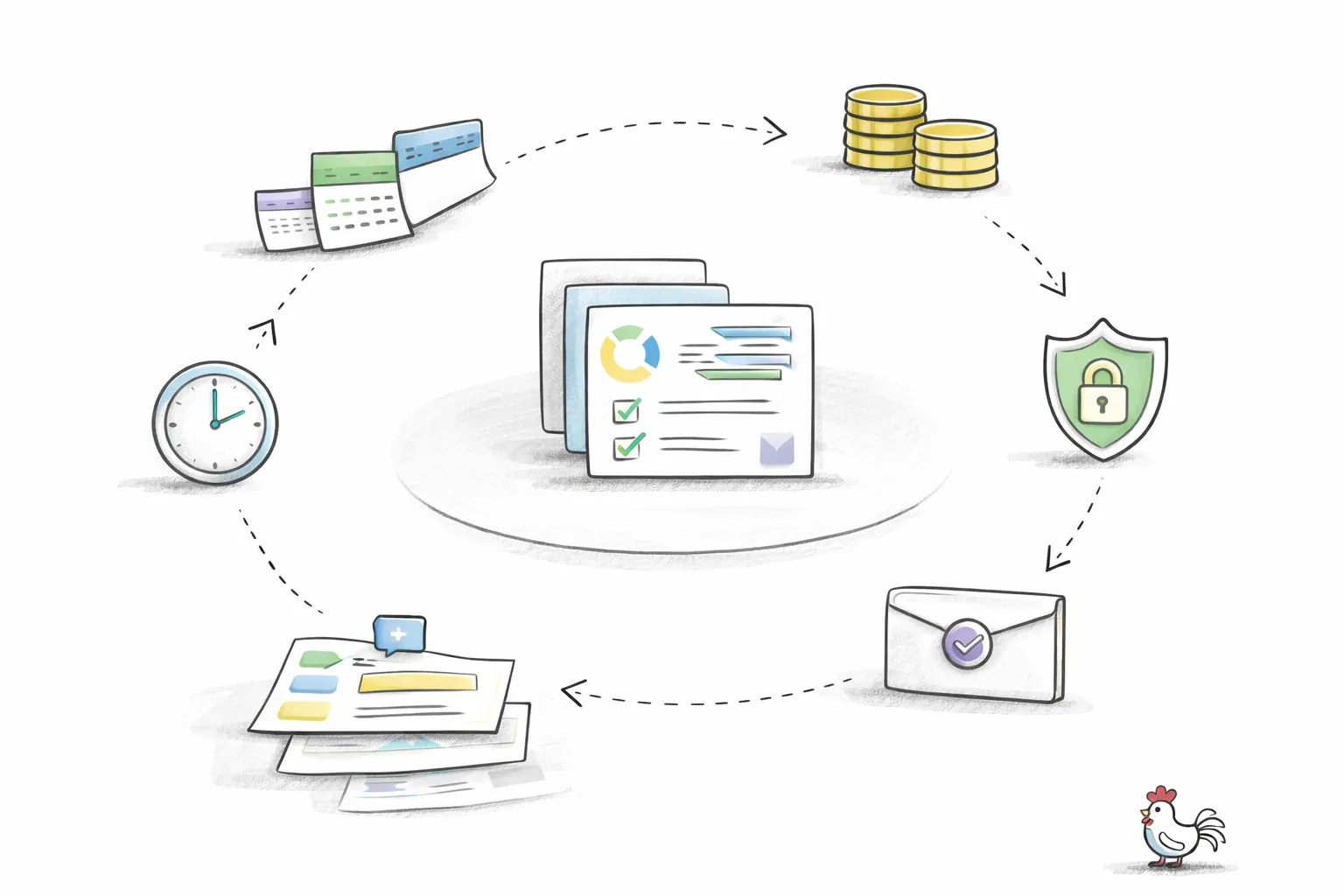
Perhaps your nest is very sparse (a thin credit file), and you need to establish a strong foundation quickly. In this case, investing in an older, high-limit tradeline, even if it's pricier, offers immense value by quickly adding a significant credit history. For someone else, whose nest might have a few weak spots (a rebuilder with some past dings), a tradeline with excellent utilization could be paramount to offset those issues and improve their overall credit health. It’s all about targeted strength.
To gauge the value, consider what doors a boosted credit score could open for you. Lower interest rates on a car loan, approval for an apartment, or better terms on a new credit card can translate into hundreds or even thousands of dollars in savings over time. The cost of a good tradeline, viewed through this lens, can often be a small fraction of the long-term financial benefits.
What to Expect: Realistic Outcomes and Avoiding Disappointment
Even a high-quality tradeline is a temporary boost if not followed by durable credit-building actions. While it provides immediate visibility and potentially a score jump, true, lasting credit health comes from your own responsible habits. A tradeline is a powerful catalyst, but it's not a permanent solution in isolation.
Disclosure
Some lenders and credit scoring models may filter out, discount, or weigh authorized user tradelines differently in their underwriting decisions. Results vary based on lender policies, the specific scoring model used, and your unique credit profile. An AU tradeline does not guarantee loan approval or any specific credit score outcome.
Real-World Nests: Scenarios of Tradeline Costs and Value
Let's look at how different individuals might evaluate tradeline costs and value, much like different birds would choose their nest materials based on their unique needs:
Find Your Tradeline Strategy
New to Credit (Nico)
You have a thin file and need to establish history from scratch for housing approval.
Rebuilding (Riley)
You have past negative items and need to improve utilization for a car loan.
Time-Sensitive (Maria)
You need a boost in 30 days for a business loan.
Making a Smart Investment: Your Checklist for Choosing a Tradeline
Choosing a tradeline is a significant decision, and approaching it strategically will help you maximize your investment. It’s like carefully selecting each vital branch for your nest, ensuring it fits perfectly and provides the strength you need. Here’s a brief checklist to guide you:
Action Items
Beyond the Tradeline: Building a Durable Nest
Remember, while authorized user tradelines can be the early path to building a visible and impactful credit file, they are a powerful starting point, not the entire journey. Your credit journey, like building a truly durable nest, requires more than just one strong branch. After adding the initial boost from a tradeline, focus on implementing your own, consistent credit-building habits.
Frequently Asked Questions
1. What are the primary factors that determine the cost of a tradeline?
- The main factors influencing tradeline cost are the age of the account, its credit limit, the utilization rate (how much of the credit is being used), and sometimes the reputation of the issuing bank. Older accounts with high limits and low utilization are generally more expensive due to their greater positive impact.
2. Is it always better to buy a more expensive tradeline?
- Not always, but generally a higher price indicates higher quality metrics (age, limit, low utilization), which usually leads to a more significant and positive impact on your credit. The "best" tradeline is one that offers the most value for your specific credit goals and current financial situation, not necessarily just the most expensive one.
3. How does tradeline age affect my credit score?
- The age of a tradeline (length of credit history) is a significant factor in credit scoring, accounting for about 15% of your FICO score. An older tradeline adds a history of responsible credit use, which can substantially improve your overall credit age and score, especially if you have a thin credit file.
4. Can a tradeline claim a specific credit score increase or loan approval?
- No, tradelines cannot guarantee a specific score increase or loan approval. While they are powerful tools for improving credit visibility and scores, the impact varies per individual based on their existing credit profile, other financial habits, and the specific scoring models used by lenders.
5. How long will a tradeline stay on my credit report?
- A tradeline typically stays on your credit report as an authorized user account for a period of 30-60 days after it's been purchased and posted, sometimes longer if the account remains open and in good standing. Its positive impact, however, can linger even after it falls off, as the higher score from that period influences your future credit applications. For tips on timing your purchase around the statement date, see how overnight tradeline posting works.
6. What should I do after a tradeline posts to my credit report?
- After a tradeline posts, it's crucial to continue building your own credit history. This includes opening your own credit accounts (like secured credit cards), making all payments on time, keeping your personal credit utilization low, and monitoring your credit report for accuracy. A tradeline provides an initial boost; your ongoing habits ensure lasting credit health.
The cost of a tradeline isn't just a number on a page; it's a strategic investment in the foundational twigs and branches of your credit nest. By understanding what drives that cost and, more importantly, how to evaluate its true value against your personal credit goals, you can make an informed decision that truly accelerates your journey toward financial stability. Choose your materials wisely, tend to your nest diligently, and watch your credit profile grow into a strong, resilient home for your financial future.